Unlock Financial Savings with Solar Power
Switching to solar energy is one of the smartest moves a homeowner can make—for both the planet and your finances. While the initial investment may seem high, a wide range of solar energy incentives can dramatically lower your upfront costs and speed up your return on investment. Available at federal, state, and local levels, these programs are designed to make clean energy accessible and affordable, helping you achieve energy independence while enjoying long-term savings. Going solar isn’t just about generating power—it’s a financially sound decision that pays off for decades.
Harness Federal & State Solar Incentives
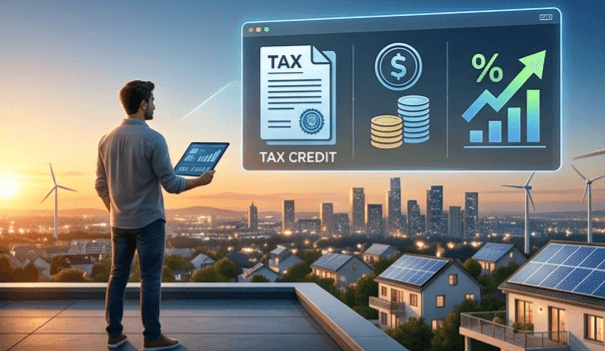
The cornerstone of solar affordability lies in federal solar incentives, especially the Residential Clean Energy Credit. This program allows you to deduct a significant portion of your solar installation costs directly from your federal taxes—not just as a deduction, but as a dollar-for-dollar credit.
But the support doesn’t stop there. Many states, utilities, and local governments offer additional green energy incentives, including:
-
State tax credits and cash rebates
-
Performance-based incentives (paying you for energy produced)
-
Property tax exemptions and sales tax waivers
Layering these residential solar incentives on top of federal benefits can drastically reduce your net cost and maximize the value of your solar investment.
Maximize Savings with Smart Storage
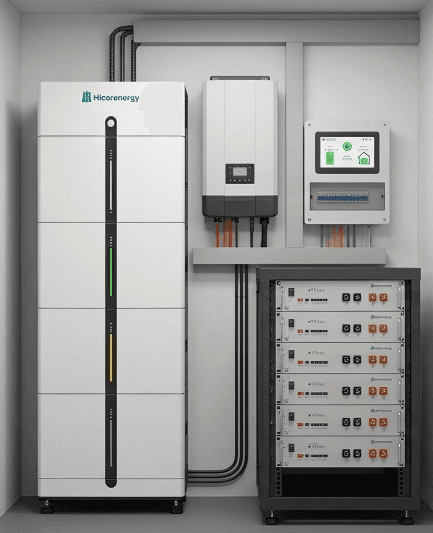
To get the most out of your solar system, you need a way to store the energy you generate. That’s where the Hicorenergy home battery comes in.
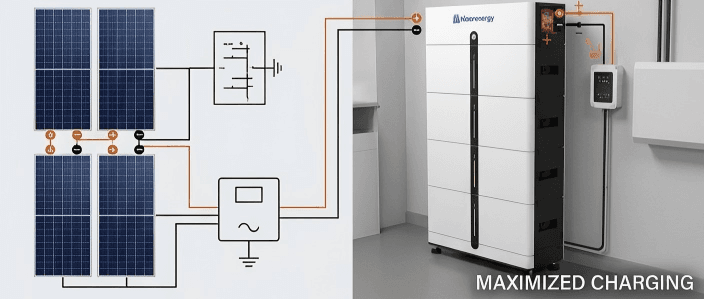
Solar panels produce the most energy in the middle of the day—often when you’re not home to use it. Without storage, excess power goes back to the grid, often for minimal credit. With the Hicorenergy battery, you can:
-
Store surplus solar energy for use at night or on cloudy days
-
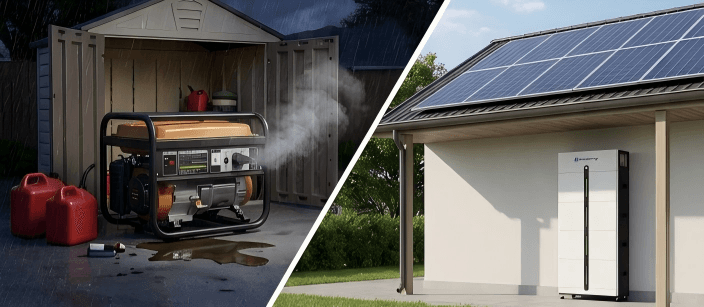
Maintain power during outages
-
Reduce reliance on the grid and avoid peak electricity rates
By pairing solar panels with a Hicorenergy home battery, you maximize self-consumption and turn your system into a round-the-clock energy solution.
Unlock More with Energy Efficiency Incentives
Adding a battery doesn’t just boost energy independence—it can also help you qualify for additional energy efficiency incentives. Many state and utility programs reward homeowners who install comprehensive energy systems that support grid resilience and reduce demand.
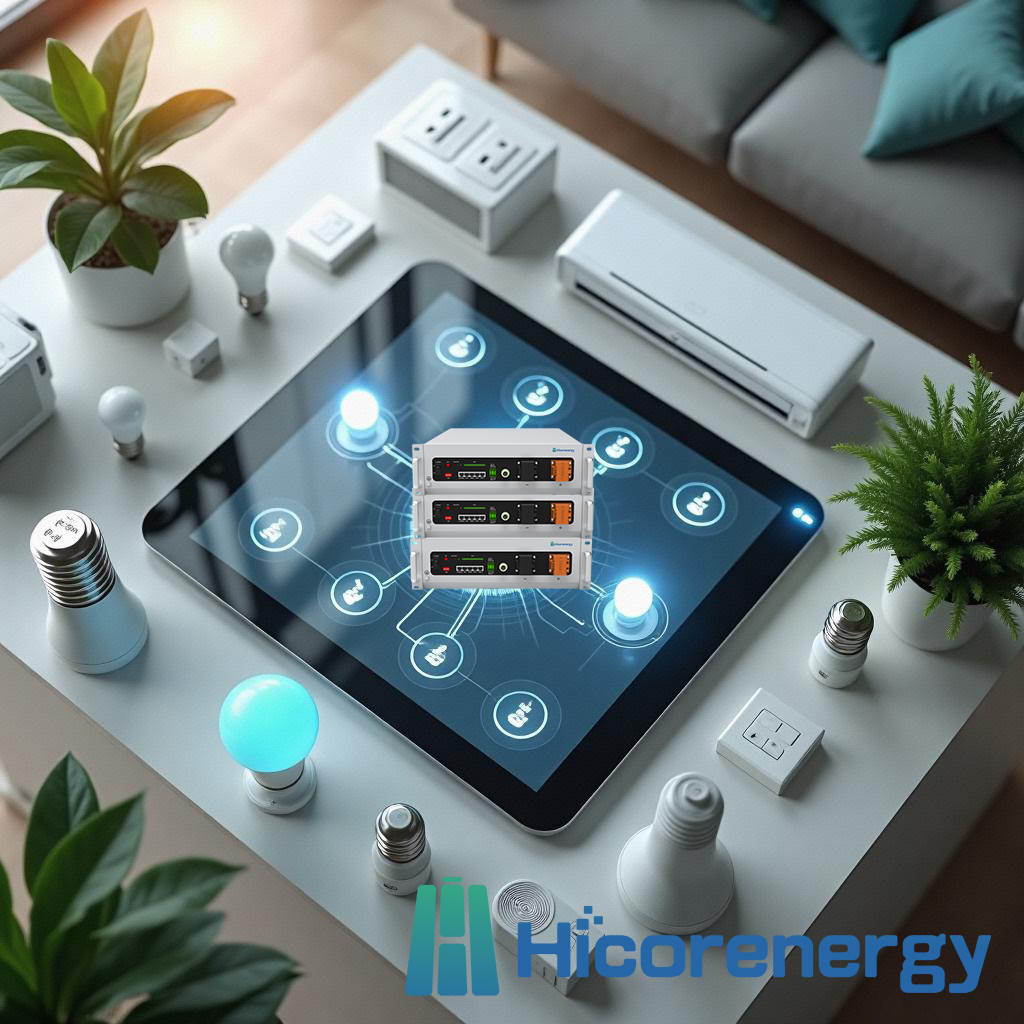
The Hicorenergy battery system is designed to integrate seamlessly with solar panels, creating a high-efficiency energy hub that:
-
Scales to match your household’s needs
-
Enhances your home’s value and sustainability
-
Helps you earn incentives for smart energy management
With its sleek, modular design and durable performance, Hicorenergy ensures your system is not only efficient but also future-ready.
Take Control of Your Energy Future
Combining solar panels with a Hicorenergy battery unlocks the full potential of solar incentives while building a resilient, eco-friendly home. You’re not just installing technology—you’re investing in a sustainable lifestyle and taking control of your energy costs for good.
Ready to maximize your savings and energy independence?
Explore how Hicorenergy can help you leverage solar incentives and build a smarter home energy system.
Is Solar Power Cheaper Than Traditional Electricity?
In many regions, Solar Energy has already become more cost-effective than grid electricity. While the upfront installation cost may seem high, long-term savings quickly outweigh initial expenses—especially when Solar Energy Incentives such as tax credits, rebates, or net-metering programs are applied. These incentives significantly reduce the overall investment, allowing households and businesses to lock in lower energy costs, avoid rising utility rates, and maximize the financial return of solar systems over time.
What Is the Top Advantage of Solar Power?
The greatest advantage of Solar Energy is its ability to deliver long-term cost savings while providing reliable, renewable power. By generating electricity directly from sunlight, users reduce dependence on the grid and gain protection against fluctuating energy prices. When paired with advanced energy storage, solar systems offer uninterrupted power during outages and peak-hour surges. With Solar Energy Incentives improving affordability, more users can access sustainable power with stronger economic benefits.
Join Hicorenergy in embracing solar battery storage and step confidently into a cleaner, greener tomorrow.
Contact us via Email: info@hicorpower.com or WhatsApp: +86 181-0666-3226.