 Understanding the ins and outs of a Low Voltage Battery is more important than ever in our tech-driven world. From the smartphones in our pockets to the advanced solar power systems in our homes, these energy sources are the quiet workhorses of modern life. A low voltage system offers significant safety advantages and efficiency for specific applications, making it a cornerstone of both personal gadgets and large-scale residential energy solutions. This guide will walk you through the essential aspects of these batteries, from how they work in your devices to how you can maximize their lifespan and performance.
Understanding Rechargeable Batteries in Modern Devices
At the heart of most portable electronics are Rechargeable Batteries. Unlike single-use alternatives, these can be restored to a full charge hundreds or even thousands of times, significantly reducing waste and long-term cost. The prevalence of Batteries in Consumer Electronics has revolutionized how we interact with technology, untethering us from power outlets and enabling a mobile lifestyle. Whether it's a laptop, a digital camera, or a wireless speaker, the convenience is powered by this incredible technology. Choosing devices with high-quality rechargeable cells is the first step toward a more reliable and sustainable user experience.
How to Achieve Battery Life Extension and Manage Discharge Rates
Getting the most out of your batteries involves more than just plugging them in. Practicing proper charging habits is key to Battery Life Extension. This includes avoiding extreme temperatures, not letting the battery drain to zero completely, and using the correct charger. Equally important is understanding the Battery Discharge Rate, which refers to how quickly a battery depletes its energy. High-demand applications will drain a battery faster, putting more stress on its components. Modern energy management systems are designed to optimize this process, ensuring a steady and efficient power flow that protects the battery's health over time, giving you more power when you need it and extending the overall lifespan of the unit.
Advanced Low Voltage Systems: The HiCorenergy Example
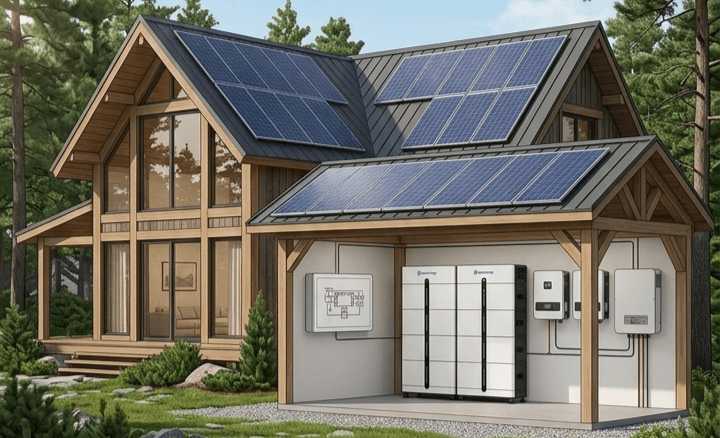
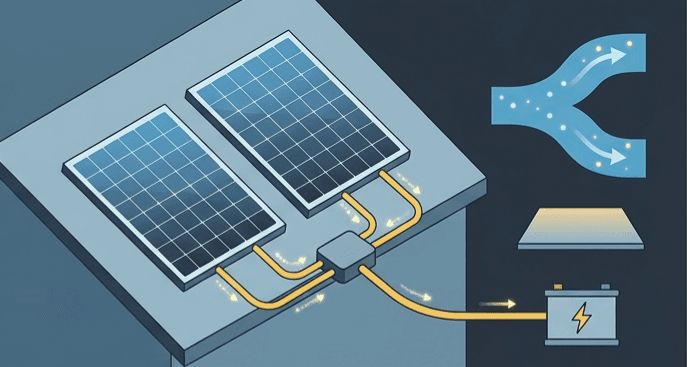
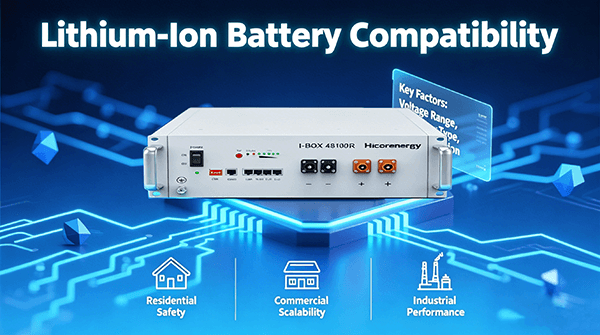
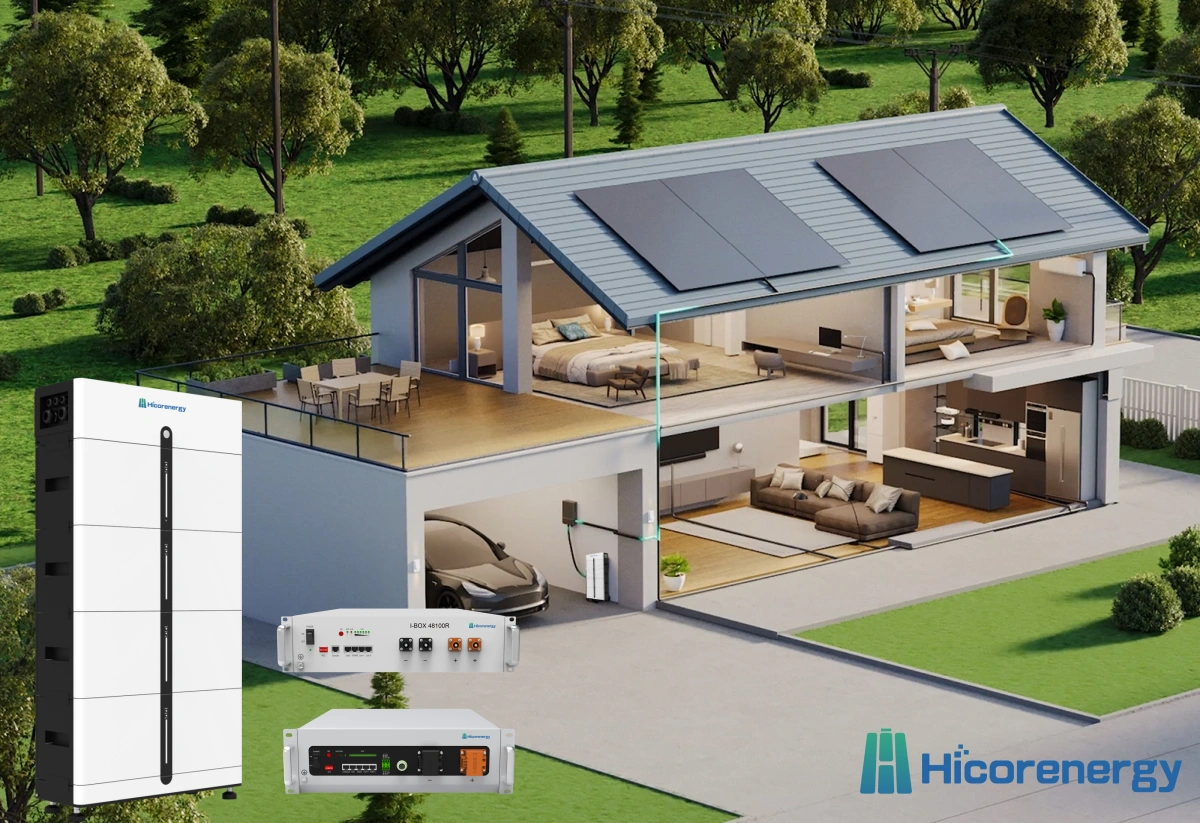
When we scale up from personal devices to home energy, the principles of a Low Voltage Battery become even more critical. The HiCorenergy Solar Power System is a perfect example of this technology in action. This solution pairs high-efficiency solar panels with advanced I-BOX 4810R battery modules to create a seamless residential energy ecosystem. These sophisticated battery units store solar-generated power safely and efficiently, ensuring your home stays lit during the night or on cloudy days. The system’s user-friendly interface allows homeowners to monitor and manage energy consumption, while its elegant design integrates beautifully into the modern home. By utilizing a sophisticated low voltage architecture, HiCorenergy delivers reliable power, enhanced safety, and long-term peace of mind.
The Importance of Responsible Battery Recycling
The lifecycle of a battery doesn't end when it no longer holds a charge. Responsible Battery Recycling is a critical step in protecting our environment. Batteries contain heavy metals and other chemicals that can be harmful if they end up in landfills. Recycling not only prevents pollution but also allows for the recovery of valuable materials like lithium, cobalt, and nickel, which can be used to manufacture new batteries. This circular economy approach reduces the need for new mining and minimizes the environmental footprint of our energy consumption. Always look for designated recycling drop-off points for your old batteries to ensure they are handled properly.