As the world increasingly transitions to renewable energy sources like solar and wind power, the need for efficient, reliable, and high-performance energy storage has never been more critical. The key to unlocking the full potential of these systems lies in sophisticated battery technology that can handle demanding cycles of charging and discharging. This is where the advanced design of a Liquid Cooling Battery Cabinet becomes essential, providing the thermal stability required for optimal performance and longevity in both residential and commercial applications. Hicorenergy is at the forefront of this evolution, engineering cutting-edge solutions that redefine energy management for a sustainable future.
The Critical Role of Thermal Management in Battery Performance
High-capacity battery systems are hubs of immense energy transfer. During rapid charging from solar panels on a sunny day or heavy discharge to power a home or business, battery cells naturally generate a significant amount of heat. If this heat is not managed effectively, it can lead to a host of problems, including reduced operational efficiency, accelerated degradation of battery components, and even potential safety hazards. While traditional air cooling methods suffice for smaller applications, they often fall short in high-density, powerful systems. This is why advanced Battery Cabinet Cooling Technology is no longer a luxury but a fundamental requirement for modern energy storage.
Understanding How Liquid Cooled Battery Systems Operate
At its core, a liquid cooling system circulates a specialized coolant through an intricate network of pipes or cold plates that are in close proximity to the battery cells. This liquid is exceptionally efficient at absorbing heat from the cells and transporting it away to a radiator or heat exchanger, where it is safely dissipated. This process is far more effective than air cooling, allowing for a much more stable and uniform temperature across the entire battery bank. In a state-of-the-art Liquid Cooling Battery Cabinet, this technology ensures every cell operates within its ideal temperature range, preventing hot spots and maximizing both its lifespan and its ability to deliver consistent power. The result is a system that runs more quietly, efficiently, and reliably, forming the backbone of truly resilient Liquid Cooled Battery Systems.
Advantages of Next-Generation Battery Cabinet Cooling Technology
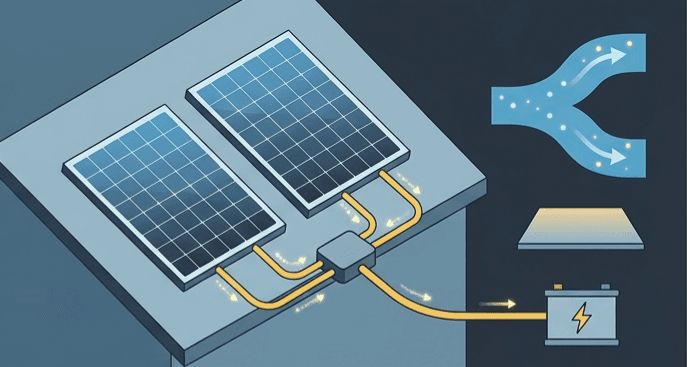
Integrating superior Battery Cabinet Cooling Technology brings a multitude of benefits. The primary advantage is the significant extension of the battery's service life, protecting the user's investment. By maintaining stable temperatures, the system can endure more charge cycles without performance degradation. Furthermore, this efficiency allows for a more compact and energy-dense design. Hicorenergy's modular units leverage this by packing immense power into a sleek and scalable form factor. This advanced thermal management also makes Liquid Cooled Battery Systems exceptionally well-suited for integration with intermittent renewable sources. They can seamlessly handle the rapid influx of power from wind turbines or solar arrays without overheating, ensuring no energy is wasted and the system is always ready to meet demand.
Hicorenergy: Powering the Future with Advanced Cooling
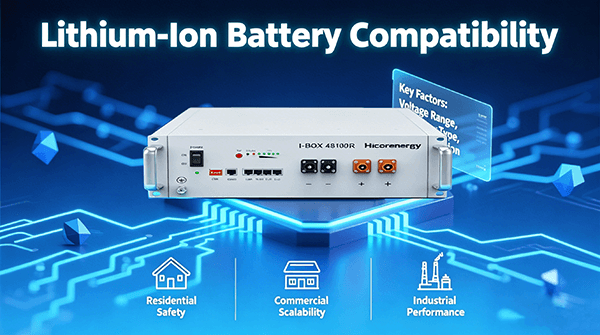
Embracing a sustainable future requires not just energy storage, but intelligent and robust energy management. The Hicorenergy series of battery solutions embodies this principle, utilizing a sophisticated Liquid Cooling Battery Cabinet to ensure unparalleled efficiency and reliability. Our modular, scalable systems are designed to seamlessly integrate into any energy ecosystem, providing the stable and responsive power needed for energy self-sufficiency. By prioritizing advanced thermal control, Hicorenergy delivers more than just a battery; we provide a comprehensive, long-lasting energy solution that empowers users to harness the full potential of renewable resources with elegance and confidence.