 As we embrace renewable energy and electric mobility, the demand for powerful and reliable battery systems has skyrocketed. At the heart of this revolution lies a critical piece of engineering: the Liquid Cooling Battery Cabinet. This technology is not just an accessory but a fundamental component ensuring the safety, longevity, and peak performance of modern energy storage solutions, moving us toward a more efficient and secure energy future.
The Critical Role of Cooling Technology for Batteries
Batteries, whether in an electric vehicle or a grid-scale storage unit, generate significant heat during charging and discharging cycles. Without proper thermal management, this heat can lead to decreased efficiency, accelerated degradation, and, in worst-case scenarios, dangerous thermal runaway events. This is where advanced Cooling Technology for Batteries becomes paramount. Traditional air-cooling systems often struggle to keep up with the demands of high-density battery packs, proving insufficient for today's high-performance applications and creating a need for more robust solutions.
Why Liquid Cooling Technology is a Game-Changer
Liquid Cooling Technology offers a far more effective and precise method of thermal management. By circulating a specialized coolant through channels integrated within or around the battery modules, it can absorb and dissipate heat much more efficiently than air. This method ensures a more uniform temperature across the entire battery pack, eliminating the dangerous hot spots that can degrade cells prematurely. For applications like rapid EV Battery Cooling during fast-charging sessions or maintaining stability in large energy storage systems, this level of control is essential for unlocking maximum performance and reliability.
Prioritizing Safety and Sustainability in Battery Systems
Effective thermal management is one of the most crucial Battery Safety Solutions available. By actively preventing batteries from reaching dangerous temperatures, a state-of-the-art system significantly reduces the risk of thermal runaway and potential fires. Furthermore, this approach contributes to a more sustainable energy ecosystem. A well-managed battery lasts longer, reducing the need for premature replacements and minimizing the environmental impact associated with manufacturing and disposal. This commitment to longevity is a core principle of Sustainable Battery Cooling, ensuring that our green energy solutions are truly green from start to finish.
Hicorenergy's Si Station 230: A Prime Example of Innovation
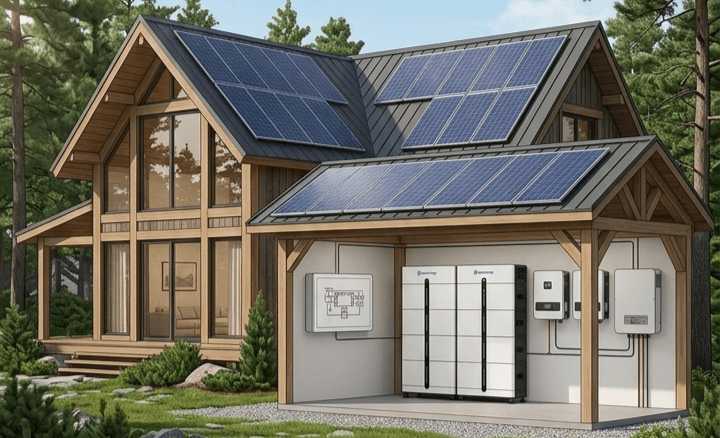
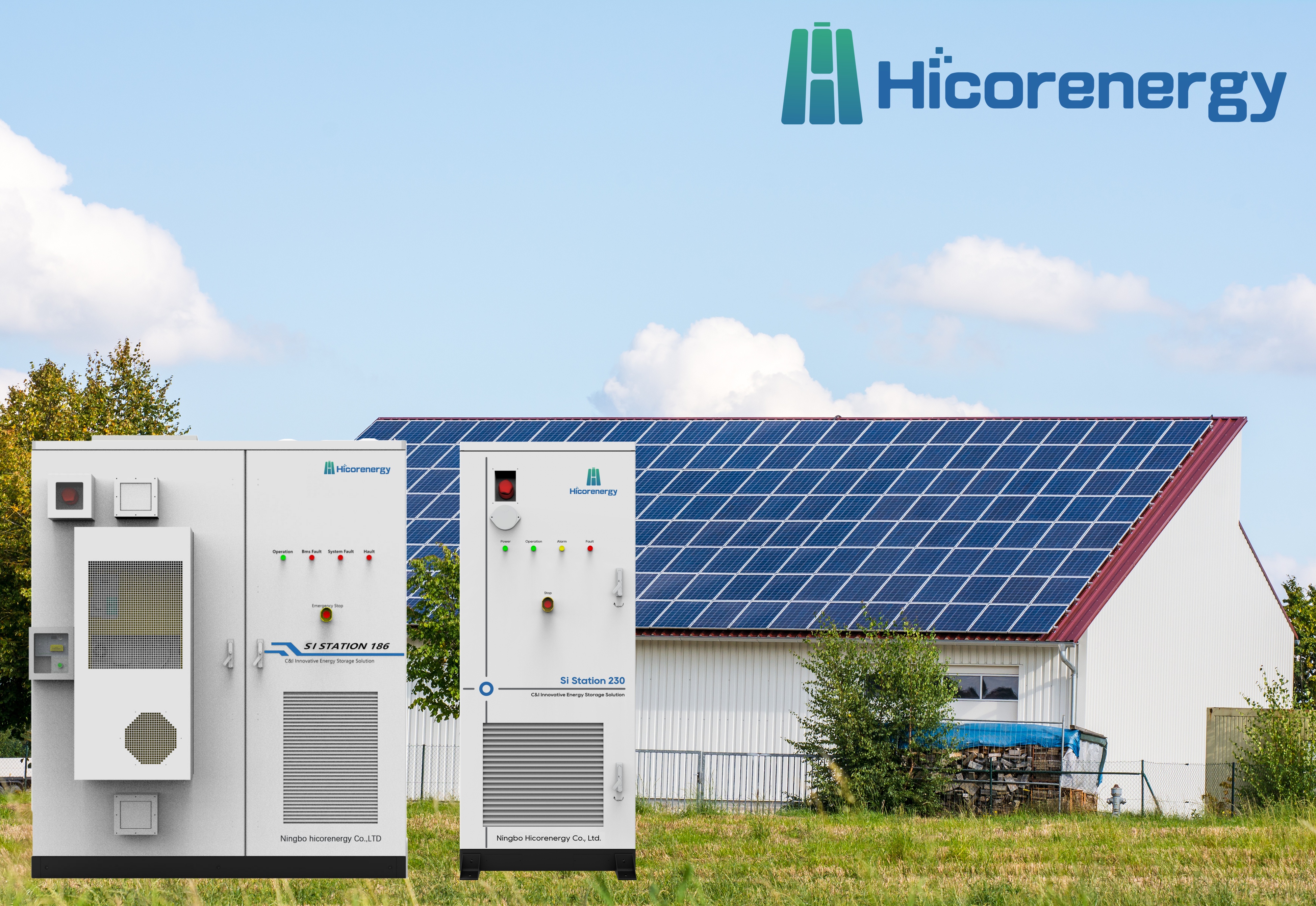
Embodying these principles of advanced thermal management is the Hicorenergy Si Station 230. This state-of-the-art energy storage system represents the pinnacle of modern battery engineering. Housed within its robust and sleek cabinet is a sophisticated system designed for optimal performance and safety, utilizing advanced technology to be a premier Liquid Cooling Battery Cabinet. The Si Station 230 is built to seamlessly integrate with renewable sources like solar and wind, storing energy efficiently and deploying it when needed most. Its intelligent control panel and durable, weather-resistant construction ensure reliability in any environment, making it a cornerstone for homes and businesses aiming for energy independence and reduced costs.
The Future of Energy Storage is Cool
The path to a sustainable future is paved with innovation, and advanced battery management is a critical part of that journey. As technology evolves, the importance of superior Liquid Cooling Technology will only grow, becoming the standard for safe and efficient energy storage. Solutions like the Hicorenergy Si Station 230 are not just products; they are testaments to a future where energy is clean, reliable, and intelligently managed. By investing in top-tier Battery Safety Solutions and focusing on Sustainable Battery Cooling, we are ensuring that the energy transition is built on a foundation of performance and security for generations to come.