As renewable energy adoption accelerates worldwide, large-scale battery storage has become a strategic necessity for utilities, commercial facilities, and industrial users. Rising electricity prices, grid instability, and stricter sustainability targets are all driving demand for flexible energy storage infrastructure.
Among available technologies, lithium-ion battery systems have emerged as the preferred solution due to their high energy density, long lifespan, fast response time, and strong compatibility with solar and wind generation. For large-scale projects, battery storage is no longer viewed as simple backup power—it is now a core asset for energy optimization, peak demand reduction, and grid resilience.
What Makes Large-Scale Lithium-ion Storage Different?
Unlike residential systems designed for household backup, large-scale lithium-ion storage is built for continuous, high-capacity operation in demanding environments.
Its main advantages include:
-
High Capacity: Systems typically range from hundreds of kWh to multi-MWh deployments, supporting factories, campuses, charging stations, and utility-scale assets.
-
High Efficiency: Round-trip efficiency can exceed 95%, minimizing energy losses.
-
Scalability: Modular architecture allows projects to expand from pilot systems to utility-scale deployments.
-
Smart Integration: Advanced EMS enables seamless integration with solar, wind, diesel generators, and the utility grid.
This flexibility makes lithium-ion technology highly adaptable across diverse energy scenarios.
Core Applications in Real-World Projects
1. Utility-Scale Renewable Energy Integration
Renewable generation is inherently variable. Solar farms generate peak electricity during midday, while demand often peaks later in the evening.
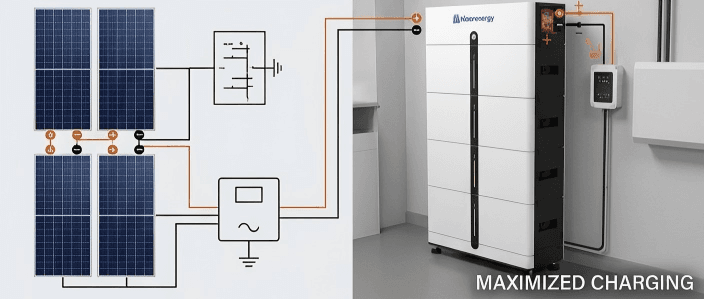
Large-scale lithium-ion systems solve this mismatch by storing surplus energy and discharging it when demand rises. This reduces renewable curtailment and improves project economics.
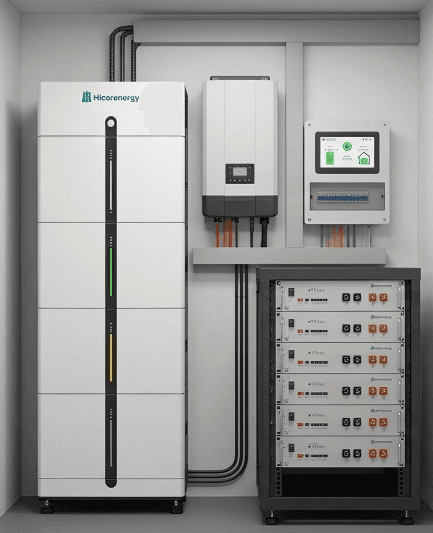
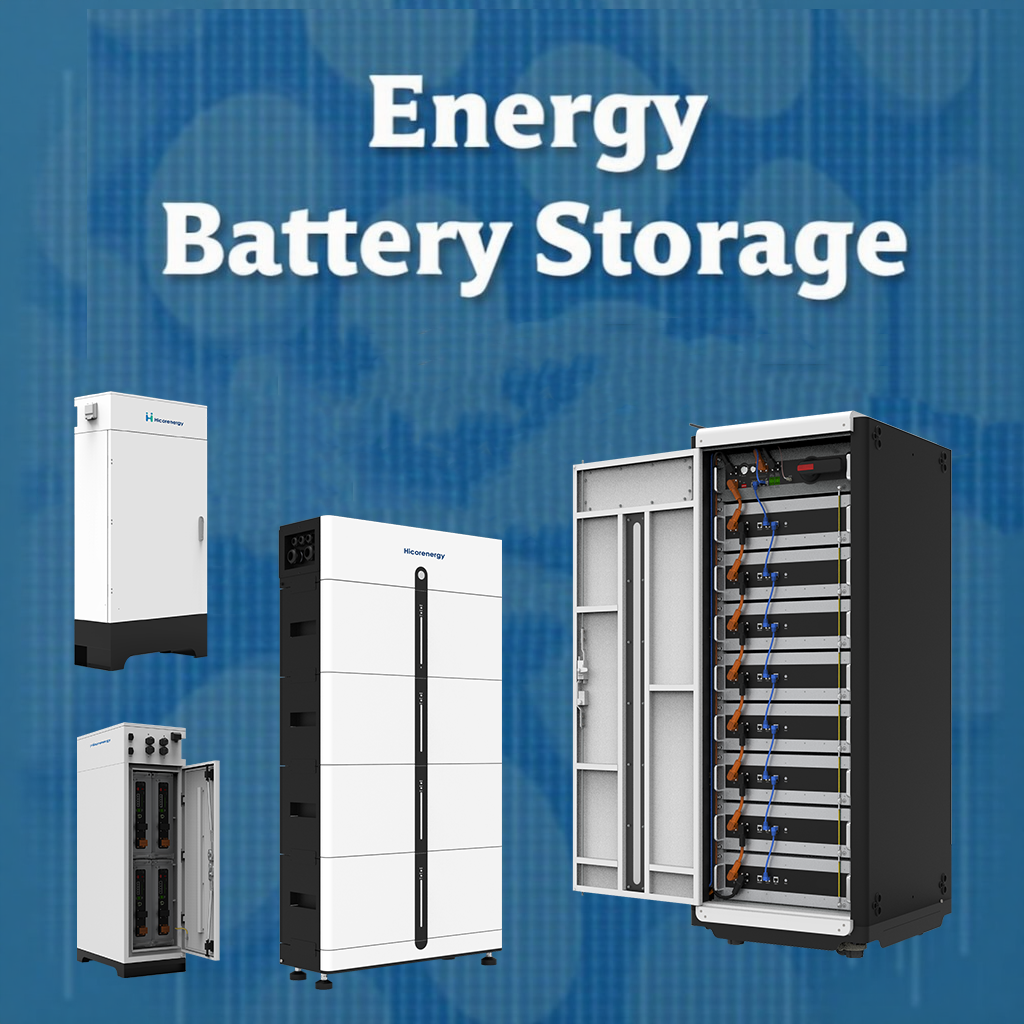
For example, Hicorenergy’s Si Station 230 liquid-cooled battery cabinet provides 230kWh of integrated storage capacity with grid-tied and off-grid compatibility. Its modular design supports scalable deployment in solar farms, industrial parks, and distributed energy projects.
This enables developers to maximize renewable utilization while stabilizing output.
2. Peak Shaving for Industrial Facilities
Industrial electricity bills are often heavily influenced by short-duration demand spikes.
Large-scale battery systems can discharge during these peak periods, reducing maximum grid draw and lowering utility demand charges.
For manufacturers, warehouses, and logistics hubs, this translates directly into lower operating costs.
A factory operating high-power equipment during short production windows can use storage to flatten load curves and improve energy cost predictability.
3. Grid Reliability and Microgrid Stability
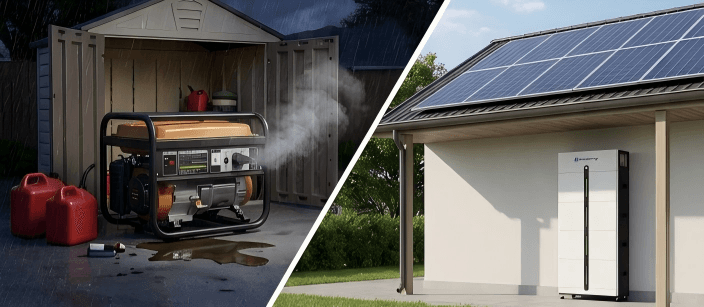
Remote areas, islands, and industrial zones often struggle with unstable grids or high diesel dependency.
By combining lithium-ion storage with renewable generation, operators can build resilient microgrids capable of stable, continuous operation.
These systems offer:
-
Reduced fuel consumption
-
Lower carbon emissions
-
Improved power quality
-
Enhanced energy independence
This is especially valuable for mining sites, agricultural facilities, telecom towers, and remote infrastructure.
4. Backup Power for Critical Infrastructure
Certain facilities cannot tolerate power interruption.
Data centers, hospitals, transport hubs, and telecommunications facilities require instantaneous backup capability.
Large-scale lithium-ion systems can switch to backup mode within milliseconds, preventing downtime and protecting sensitive equipment.
This rapid response also supports frequency regulation and grid stabilization services.
Why Lithium-ion Remains the Leading Technology
Lithium-ion battery technology continues to dominate large-scale storage because it balances performance, safety, and economics.
| Feature | Lithium-ion Advantage |
|---|---|
| Energy Density | High power in compact footprint |
| Cycle Life | 6000+ cycles possible |
| Maintenance | Minimal daily intervention |
| Response Speed | Millisecond switching |
| Efficiency | Up to 95% round-trip |
LiFePO4 chemistry, in particular, has become increasingly popular for large-scale projects due to improved thermal stability and safety.
Hicorenergy integrates advanced Battery Management Systems (BMS) with multi-layer protection against overcharge, overcurrent, short circuit, and thermal runaway.
Key Considerations When Planning a Large-Scale Storage Project
Before deploying a large-scale lithium-ion battery system, project developers should evaluate several factors:
Load Profile Analysis
Understanding energy demand patterns helps determine system sizing and dispatch strategy.
Renewable Generation Matching
Storage capacity should align with solar or wind production curves to maximize renewable utilization.
Environmental Conditions
Battery systems perform best within controlled operating temperatures. Proper cooling, ventilation, and enclosure design are essential.
Hicorenergy’s systems are engineered to operate in harsh conditions from -20°C to 55°C, making them suitable for industrial and utility applications globally.
Regulatory Compliance
Projects must comply with local electrical, fire safety, interconnection, and environmental regulations.
Total Cost of Ownership (TCO)
Long-term evaluation should include:
-
Demand charge savings
-
Reduced fuel costs
-
Lower maintenance expenses
-
Equipment lifespan
-
ROI from renewable optimization
A properly designed system often delivers both operational savings and stronger sustainability outcomes.
Hicorenergy’s Advantages in Large-Scale Storage
Hicorenergy provides turnkey large-scale lithium-ion storage solutions tailored for commercial, industrial, and utility customers.
Its advantages include:
-
Advanced LiFePO4 battery chemistry
-
6000+ cycle life at 80% DOD
-
Intelligent EMS and remote monitoring
-
Liquid cooling and thermal management
-
Modular scalability for project growth
-
Full lifecycle project support
From project design and system integration to after-sales monitoring, Hicorenergy supports customers through every stage of deployment.
This makes its solutions suitable for renewable developers, EPC contractors, utilities, and industrial operators seeking reliable long-term storage infrastructure.
Conclusion
Large-scale lithium-ion battery storage is transforming how businesses and utilities manage energy, enabling greater renewable integration, lower electricity costs, and stronger grid resilience.
Hicorenergy’s Si Station 230 and advanced LiFePO4 solutions deliver scalable, safe, and efficient energy storage for utility, commercial, and industrial projects worldwide.
Contact Us
Email: info@hicorpower.com
WhatsApp: +86 181-0666-3226