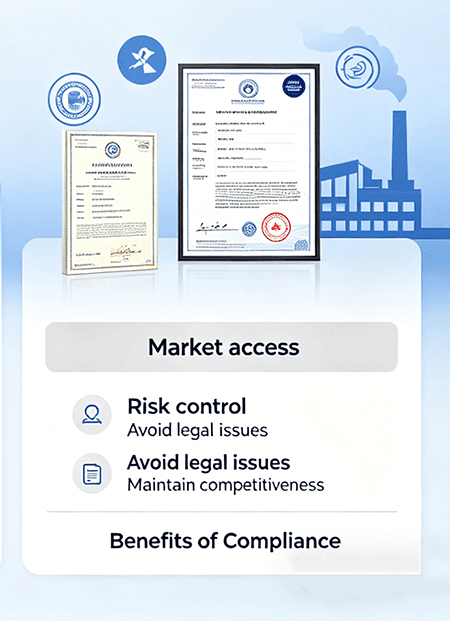
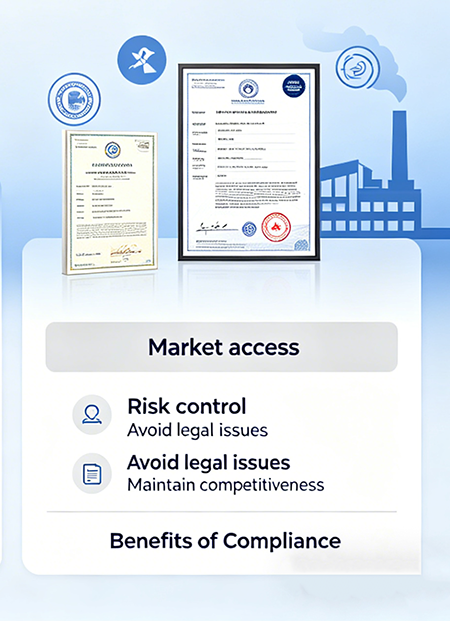
New Energy Storage Safety Regulations such as UL 1973, CE marking, and IEC standards are becoming essential for market access and risk control. Installers and distributors must understand certification requirements, implement compliant system designs, and partner with reliable manufacturers to ensure safety, avoid legal issues, and maintain competitiveness in a rapidly evolving global energy storage market.
Understanding the New Energy Storage Safety Regulations
New Energy Storage Safety Regulations are evolving rapidly as global demand for energy storage systems increases. Governments and regulatory bodies are enforcing stricter standards to ensure system safety, performance, and environmental compliance. These regulations, including UL 1973, CE, and IEC standards, cover battery design, testing, transportation, and installation. For installers and distributors, understanding these frameworks is critical to avoiding compliance risks and ensuring smooth project approvals. As safety expectations rise, compliance is no longer optional but a fundamental requirement for participating in both residential and commercial energy storage markets.
Why UL 1973 Compliance is Crucial for Installers and Distributors
UL 1973 is one of the most recognized safety standards for stationary battery systems, particularly in North America. Compliance ensures that energy storage systems meet rigorous safety requirements, including protection against fire, electrical hazards, and system failures. For installers and distributors, adhering to UL 1973 under New Energy Storage Safety Regulations reduces liability risks and simplifies permitting processes. It also enhances customer trust and project credibility. Working with suppliers that provide UL-certified products and complete documentation is essential. Additionally, compliant systems often integrate advanced battery management systems and safety mechanisms, ensuring reliable long-term operation in diverse application scenarios.
The Role of CE Marking in Energy Storage Systems: What You Need to Know
CE marking plays a critical role in accessing European markets and demonstrates that products comply with EU safety, health, and environmental requirements. Under New Energy Storage Safety Regulations, CE certification ensures that energy storage systems meet directives related to low voltage, electromagnetic compatibility, and battery safety. For installers and distributors, CE-marked products simplify cross-border trade and reduce regulatory barriers. More importantly, they provide assurance that systems are designed and tested to meet high safety standards. As global markets become increasingly interconnected, understanding CE requirements is essential for expanding business opportunities and maintaining compliance across multiple regions.
Navigating IEC Standards: A Comprehensive Guide for Energy Storage Installers
IEC standards provide a global framework for the safety and performance of electrical and energy storage systems. For Energy Storage Installers, navigating these standards under New Energy Storage Safety Regulations requires a clear understanding of key guidelines such as IEC 62619 for battery safety and IEC 63056 for energy storage systems. These standards address thermal stability, electrical performance, and system integration. Installers must ensure that all components, including battery cells, inverters, and control systems, meet IEC requirements. Proper documentation, testing, and certification are critical for project approval. By aligning installations with IEC standards, installers can ensure consistent quality, reduce operational risks, and improve system reliability across different markets.
Steps to Ensure Compliance with UL 1973, CE, and IEC for Distributors
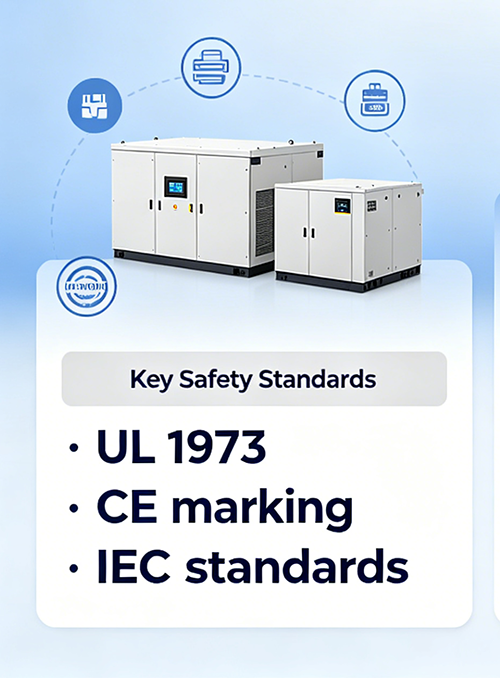
Distributors play a pivotal role in ensuring compliance with New Energy Storage Safety Regulations. The first step is to source products from manufacturers that provide complete certification and testing reports for UL 1973, CE, and IEC standards. Conducting supplier audits and verifying production quality processes is equally important. Distributors should also maintain clear documentation, including certificates, technical specifications, and installation guidelines, to support installers and end-users. Training sales and technical teams on regulatory requirements helps prevent compliance errors. Additionally, establishing traceability systems ensures that all products can be tracked throughout the supply chain. These steps not only reduce legal risks but also enhance market credibility and customer confidence.
Best Practices for Energy Storage System Installation and Safety Compliance
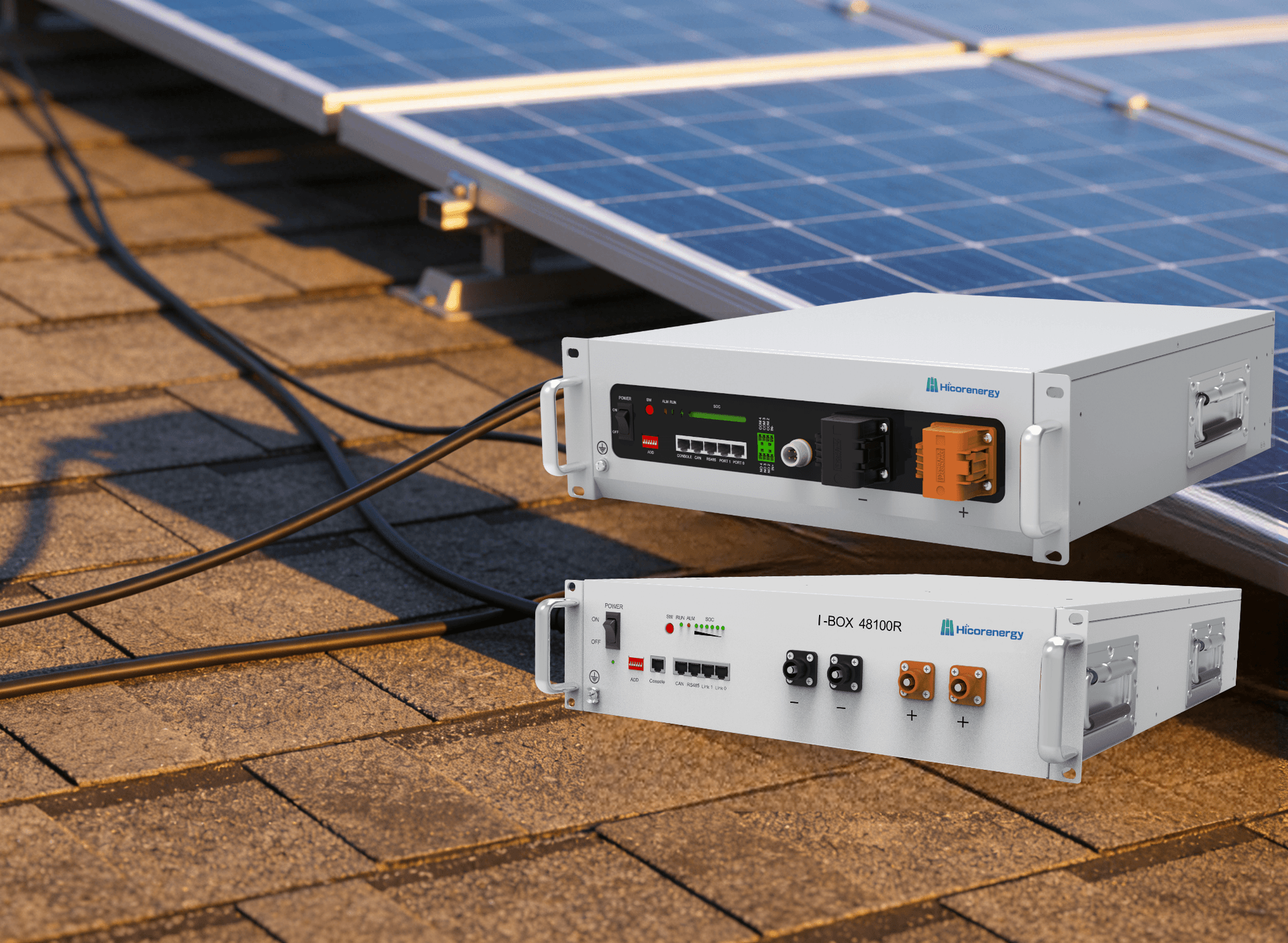
To meet New Energy Storage Safety Regulations, Energy Storage Installers must adopt best practices that prioritize safety and compliance at every stage of installation. This includes proper site assessment, system design, and adherence to certified installation procedures. Hicorenergy provides advanced lithium battery solutions equipped with high-quality LiFePO4 cells, self-developed battery management systems, and multiple safety protections. Products such as modular residential and commercial energy storage systems offer high efficiency, long cycle life, and flexible scalability. Features like remote monitoring, real-time diagnostics, and wide compatibility with inverters further enhance operational safety. By choosing reliable, certified products and following standardized installation protocols, installers can ensure compliance while delivering high-performance energy storage solutions.
In conclusion, complying with New Energy Storage Safety Regulations requires a combination of technical knowledge, certified products, and strategic partnerships. Hicorenergy supports installers and distributors with reliable, compliant energy storage solutions, global service networks, and advanced safety technologies to ensure long-term success in a regulated market.
Contact us today to ensure compliance and secure reliable solutions:
Email: info@hicorpower.com
WhatsApp: +86 181-0666-3226