Beyond Generic Supply: How OEM Battery Storage Creates Market Differentiation
The energy storage sector is expanding faster than ever. Yet, as competition grows, many distributors and integrators find themselves limited by generic products that fail to build a strong market identity. Battery storage OEM solutions provide the pathway to stand out—through customization, compliance, and scalable supply that align with real project needs.
Customization That Builds Market Advantage
OEM supply goes beyond logo printing. It involves end-to-end customization across technical and branding dimensions:
-
Capacity Options – From 5kWh residential batteries to 200kWh+ C&I systems.
-
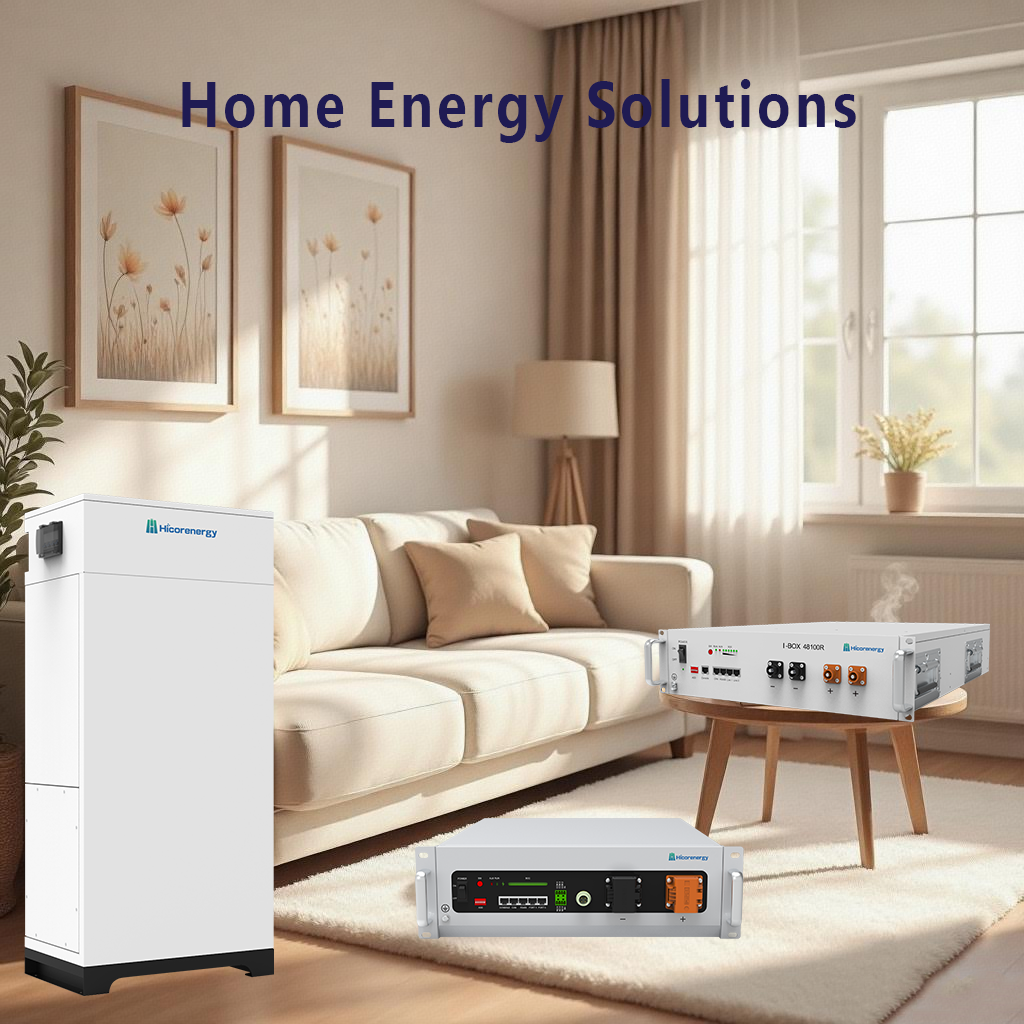
Voltage Flexibility – 24V, 48V, and high-voltage cabinets depending on market demand.
-
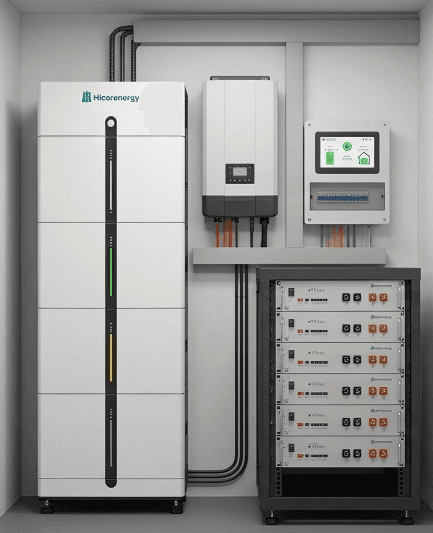
Enclosure Design – Wall-mounted, floor-standing, or outdoor-rated systems for different climates.
-
BMS Integration – Pre-set communication with leading inverter brands for plug-and-play installation.
-
Private Labeling – Strengthening the partner’s brand instead of selling under generic names.
This flexibility allows companies to deliver localized solutions that match market expectations and regulatory requirements.
Compliance as a Competitive Edge
Global energy storage deployment is tightly linked to certification. OEM production ensures systems are delivered with IEC, CE, UN38.3, and UL documentation—vital for smooth international projects.
The Energy Storage Association (ESA) emphasizes that certified systems reduce risk and accelerate market adoption (ESA). By embedding compliance into the production process, OEM suppliers provide a foundation for seamless export and regulatory approval.
Scalable Supply to Match Market Growth
For partners aiming to scale from small pilots to bulk shipments, factory capacity is crucial. Modern ESS factories in China operate automated production lines that support:
-
Flexible MOQs for testing and early-stage deployment.
-
Predictable Lead Times for mid-size distributor orders.
-
Container-Level Output for utility-scale energy projects.
The International Renewable Energy Agency (IRENA) forecasts that global storage will triple by 2030, highlighting the need for suppliers with scalable capacity (IRENA).
Enhancing Profitability and Long-Term Growth
OEM solutions improve both margins and market stability:
-
Tiered Pricing – Better costs as volumes increase.
-
Reduced Competition – Custom designs prevent direct price wars.
-
Future-Proofing – Flexibility to adapt to evolving standards and technologies.
According to the International Energy Agency (IEA), resilient supply chains with OEM adaptability are key to accelerating renewable energy deployment worldwide (IEA).
Real-World Applications
-
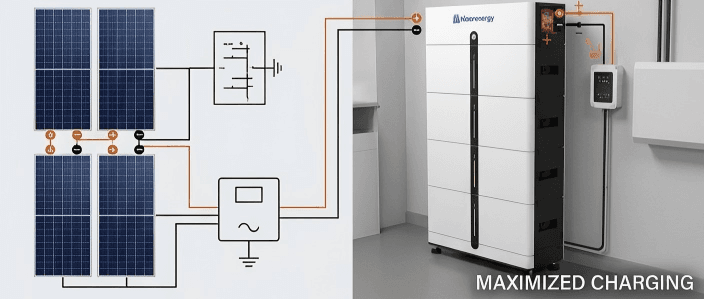
Residential Solar – Wall-mounted OEM batteries that integrate seamlessly with rooftop PV systems.
-
C&I Projects – High-voltage OEM cabinets supporting peak shaving and backup power.
-
Utility Deployments – OEM containerized ESS designed for renewable integration and grid balancing.
-
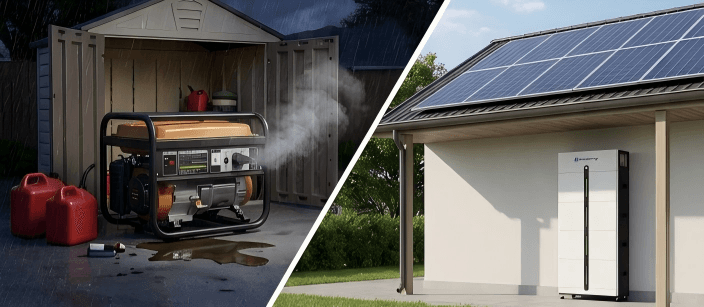
Off-Grid Electrification – OEM solutions tailored to cost-sensitive regions replacing diesel generators.
Hicorenergy: A Trusted OEM Partner
At Hicorenergy, we help partners expand confidently into new markets with:
-
Certified, export-ready ESS across residential, commercial, and utility categories.
-
OEM/ODM customization for branding, enclosure, and technical integration.
-
Factory-scale production ensuring flexibility from small orders to bulk supply.
-
Comprehensive technical support, manuals, and long-term warranty services.
OEM as a Strategic Growth Tool
Generic products can only take companies so far. Battery storage OEM solutions provide the differentiation, compliance, and scalability required for long-term growth.
With Hicorenergy, businesses gain not just an OEM supplier—but a factory-backed partner for global expansion.
📩 Request an OEM proposal to explore tailored designs, scalable supply, and certification-backed solutions.