In today's competitive business landscape, managing operational costs and ensuring energy resilience are paramount for success. This is where advanced commercial energy storage solutions come into play, offering a transformative way for companies to control their power consumption, reduce expenses, and meet sustainability targets. For any enterprise looking to future-proof its operations, understanding the benefits of these innovative systems is the first step towards achieving greater energy independence and efficiency. These systems are not just a capital investment; they are a strategic tool for long-term growth and stability.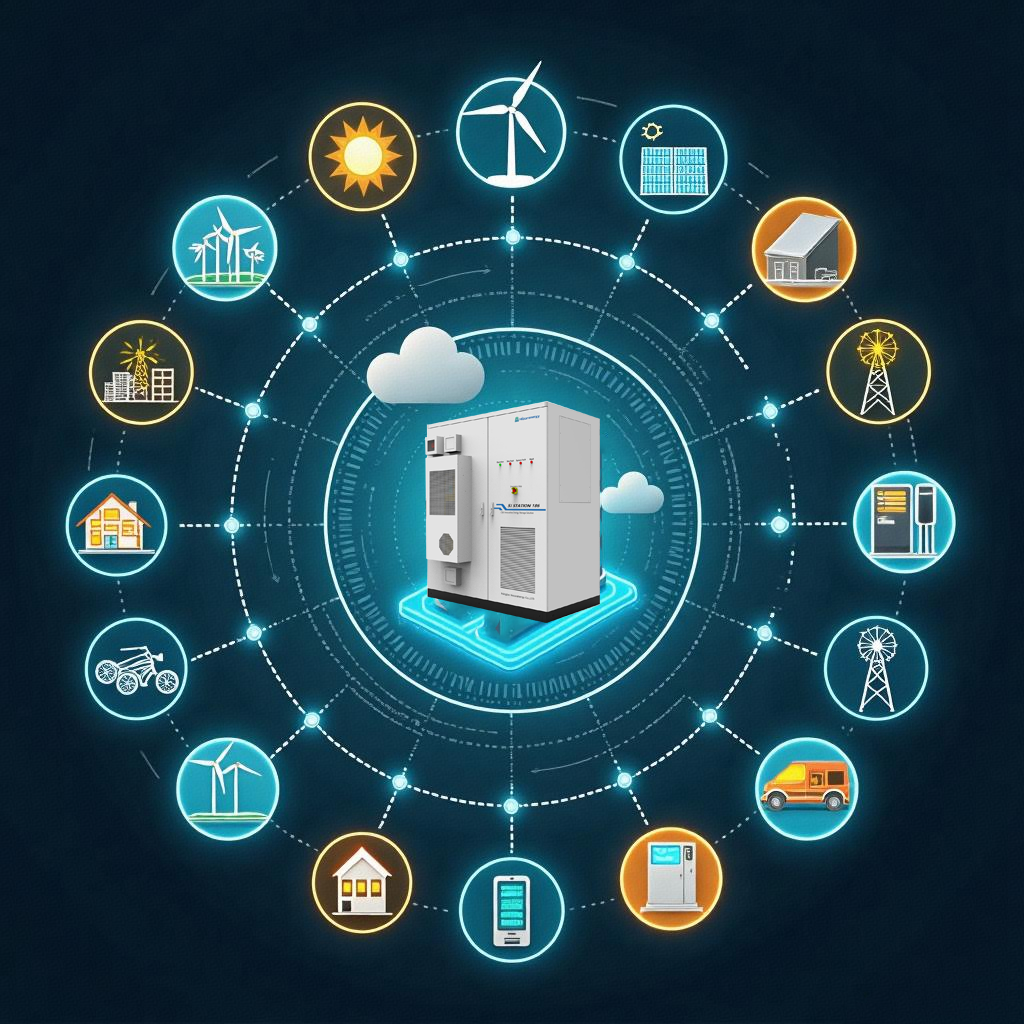
1. Achieve Significant Cost Reductions
One of the most compelling reasons for companies to invest in battery storage for businesses is the potential for substantial financial savings. Energy prices often fluctuate throughout the day, with costs soaring during peak demand hours. An energy storage system allows a business to store electricity from the grid when it is cheapest (during off-peak hours) and then deploy that stored energy during peak times, a strategy known as peak shaving. This directly reduces electricity bills by avoiding the highest rates. Furthermore, it helps lower demand charges, which are fees based on the highest level of electricity consumption during a billing period. By intelligently managing power flow, businesses can flatten their energy usage curve and unlock significant savings.
2. Ensure Uninterrupted Business Operations
For many organizations, especially those in manufacturing, healthcare, or data services, a stable power supply is non-negotiable. A power outage, even a brief one, can lead to costly downtime, data loss, and production halts. Industrial energy storage systems act as a seamless and reliable uninterruptible power supply (UPS). In the event of a grid failure, the system can instantly switch to battery power, ensuring that critical operations continue without interruption. This level of reliability protects revenue, safeguards sensitive equipment, and maintains business continuity, providing invaluable peace of mind.
3. Maximize Renewable Energy Investments
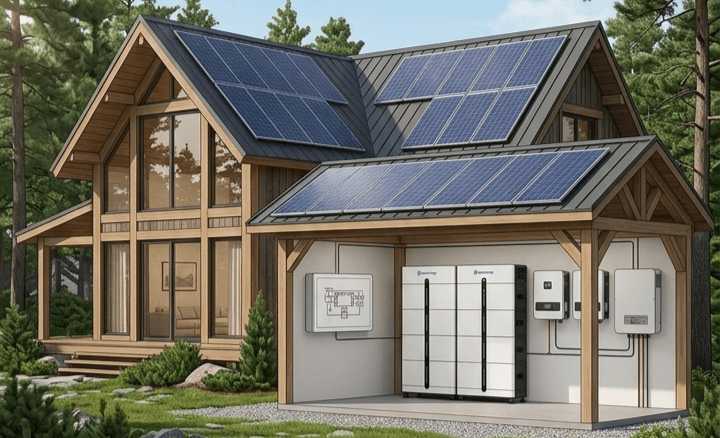
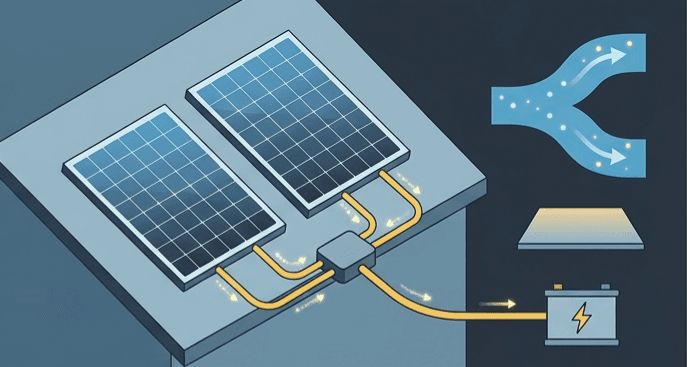
As sustainability becomes a core corporate value, more companies are investing in on-site renewable energy generation, such as solar panels. However, the intermittent nature of renewables like solar (which only produces power when the sun is shining) presents a challenge. Battery storage for businesses perfectly complements these systems by capturing and storing excess energy generated during peak production times. This stored clean energy can then be used overnight, on cloudy days, or during power outages, maximizing the return on investment in renewables and further reducing reliance on the grid. It turns a renewable energy source into a consistent, 24/7 power asset.
4. Embrace Cutting-Edge, Safe Technology
A modern energy storage solution is more than just a battery; it is a sophisticated, integrated system designed for performance, safety, and ease of use. A premier example of this is the Hicore Energy SI Station 230, a C&I Innovative Energy Storage Solution. This system is thoughtfully engineered with a user-friendly interface, featuring clear LED indicators for Power, Operation, Alarms, and Faults, which allow for effortless at-a-glance monitoring. Safety is paramount, demonstrated by a prominently placed Emergency Stop button and a robust build with an integrated ventilation system to ensure stable, long-term performance. Such advanced commercial energy storage solutions provide not just power, but also confidence and control over your energy infrastructure.
Your Partner in Energy Innovation
In conclusion, adopting industrial energy storage systems is a forward-thinking strategy that delivers tangible benefits across the board, from cost savings and operational reliability to enhanced sustainability. Solutions like the Hicore Energy SI Station 230 are paving the way for a smarter, greener, and more resilient future for businesses. By investing in this technology, companies can gain a significant competitive advantage and position themselves as leaders in their industry. To learn more about how Ningbo Hicorenergy Co., Ltd. can empower your business, contact us at info@hicorpower.com or via WhatsApp at +86 18106663226.