The dream of energy independence is now a tangible reality for households worldwide, thanks to revolutionary advancements in off-grid power solutions. Breaking free from traditional utility grids doesn’t just offer freedom—it delivers resilience, sustainability, and a lighter environmental footprint. Whether you're building a remote cabin, lowering carbon emissions, or ensuring an uninterrupted power supply, the right setup makes all the difference. This comprehensive guide walks you through the top strategies and technologies for embracing a self-sufficient lifestyle with modern off-grid energy systems.
Harness Solar Power for Off-Grid Living
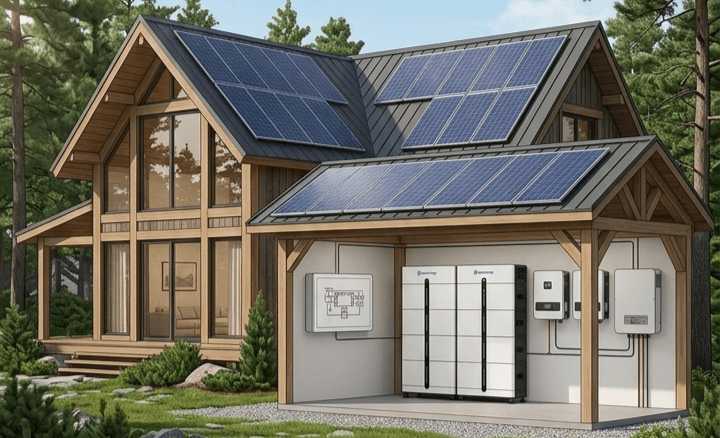
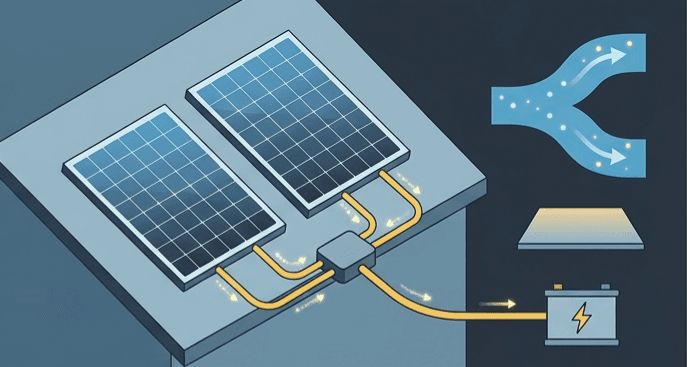
At the core of modern off-grid systems lies solar energy. Solar power off-grid has become the leading method for generating clean, independent electricity, thanks to improved efficiency and falling costs. A complete off-grid solar setup includes:
-
Photovoltaic (PV) Panels to capture sunlight
-
An Inverter to convert DC power into usable AC electricity
-
A Reliable Energy Storage System to store surplus power for nighttime or cloudy days
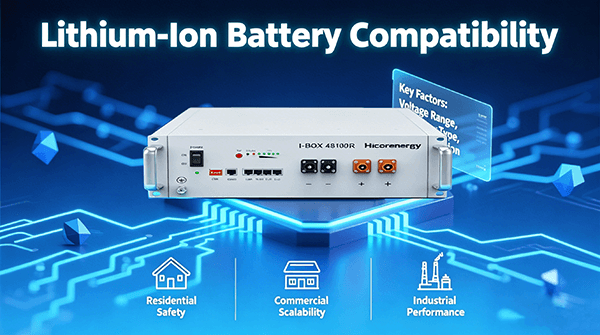
It’s the storage component that truly enables energy independence. Advanced solutions—such as Hicorenergy’s high-density, compact battery modules—come equipped with smart battery management systems to maximize efficiency and ensure every watt is put to use.
Choose Eco-Friendly Power Solutions
A major motivation for going off-grid is adopting a greener lifestyle. Eco-friendly power solutions drastically cut reliance on fossil fuels and reduce carbon emissions. Unlike noisy, polluting diesel generators, modern off-grid battery storage systems run silently and produce zero emissions. Companies like Hicorenergy design systems that harmonize sustainability with high performance—proving you don’t have to sacrifice comfort or reliability to protect the planet.
Powering Wells Off-Grid for Water Security
A dependable water supply is essential for any off-grid property. Powering wells off-grid requires a system capable of handling high startup currents and consistent operational loads. A robust off-grid energy storage system ensures your well pump receives the necessary surge power and continues running smoothly for household use, irrigation, or livestock. With the right setup, you turn a remote piece of land into a fully functional homestead.
Integrate Multiple Off-Grid Renewable Resources
While solar energy is the go-to source, a resilient off-grid setup often benefits from diversification. By incorporating multiple off-grid renewable resources—such as wind turbines or micro-hydro systems—you enhance energy security across seasons and weather conditions. The key to success is a flexible and scalable energy storage system that can integrate power from various sources. Hicorenergy’s modular cabinet solutions, for example, let you start with solar and easily expand storage as you add new renewable inputs—effectively future-proofing your energy needs.
Invest in Scalable Energy Storage for Long-Term Resilience
The backbone of any reliable off-grid power solution is a high-performance energy storage system. It ensures electricity is available even when generation stops. Modern systems emphasize scalability, durability, and smart energy management. Look for modular architectures that let you increase capacity over time—ideal for growing families or adding electric vehicles. Simplified installation and maintenance also help lower operational costs. With sleek, innovative designs now available, achieving energy independence has never been more accessible—or more attractive.
Which Power Source Is Best for Off-Grid Power Solutions? A Supplier-Based Perspective
When evaluating Off-Grid Power Solutions, the most reliable approach is combining renewable generation with high-quality energy storage. Among off-grid systems, lithium battery storage paired with solar remains the most efficient and scalable option. Leading suppliers that support off-grid living include Tesla Energy, BYD, LG Energy Solution, Victron Energy, and Hicorenergy. These companies provide advanced battery technologies designed for remote and unstable grid environments. In particular, lithium iron phosphate (LiFePO4) batteries are favored for off-grid use due to their safety, long cycle life, and low maintenance. Choosing reputable suppliers ensures system stability, compatibility with inverters, and long-term sustainability for off-grid households and communities.
Is It Worth Having a Battery Without Solar Panels?
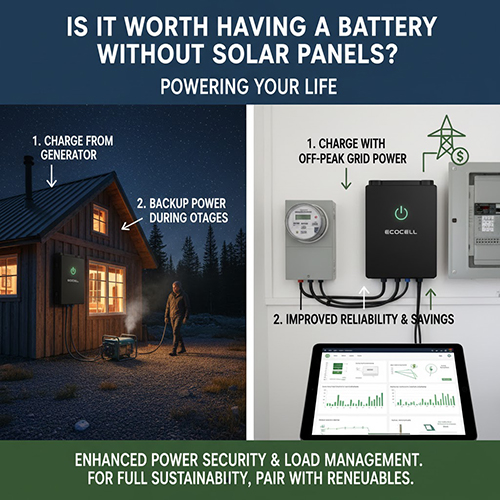
In many Off-Grid Power Solutions for Sustainable Living, batteries can still deliver value even without solar panels. A battery-only system can store electricity from generators or off-peak grid power, providing backup during outages and improving energy reliability. This setup is especially practical in regions with inconsistent grid access or limited sunlight. However, without solar input, batteries do not generate energy independently and rely on external sources for charging. While this limits sustainability benefits, battery systems still enhance power security and load management. For long-term off-grid living, pairing batteries with renewable sources remains the most cost-effective and environmentally friendly solution.
Join Hicorenergy in embracing solar battery storage and step confidently into a cleaner, greener tomorrow.
Contact us via Email: info@hicorpower.com or WhatsApp: +86 181-0666-3226.