 The evolution of modern energy consumption has been profoundly shaped by advancements in lithium battery technology. This innovation is the silent workhorse behind everything from our smartphones to the electric vehicles transforming our roadways. As we push towards a more sustainable and greener future, understanding the nuances of this technology, from its core components to the systems that manage it, becomes increasingly vital. The landscape is vast, with different approaches to design, manufacturing, and application, making a comparative look essential for anyone investing in future-proof energy solutions.
Traditional vs. Modern: A Voltage and Lifespan Comparison
When comparing energy storage solutions, the contrast between older technologies like lead-acid and modern lithium-ion is stark. Traditional batteries are heavy, require regular maintenance, and have a significantly shorter lifespan. In contrast, lithium-based systems offer superior energy density, meaning they store more power in a smaller, lighter package. A key differentiator is the stable lithium battery voltage profile. Unlike lead-acid batteries that see a significant voltage drop as they discharge, lithium batteries maintain a more consistent voltage, ensuring connected devices and systems run efficiently and reliably until the battery is nearly depleted. This stability, combined with a lifespan that can be three to five times longer, makes the upfront investment in lithium a more economical and dependable choice over the long term.
Navigating the Diverse World of Lithium Battery Manufacturers
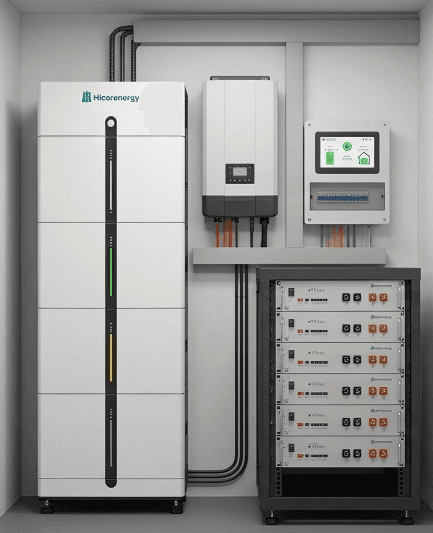
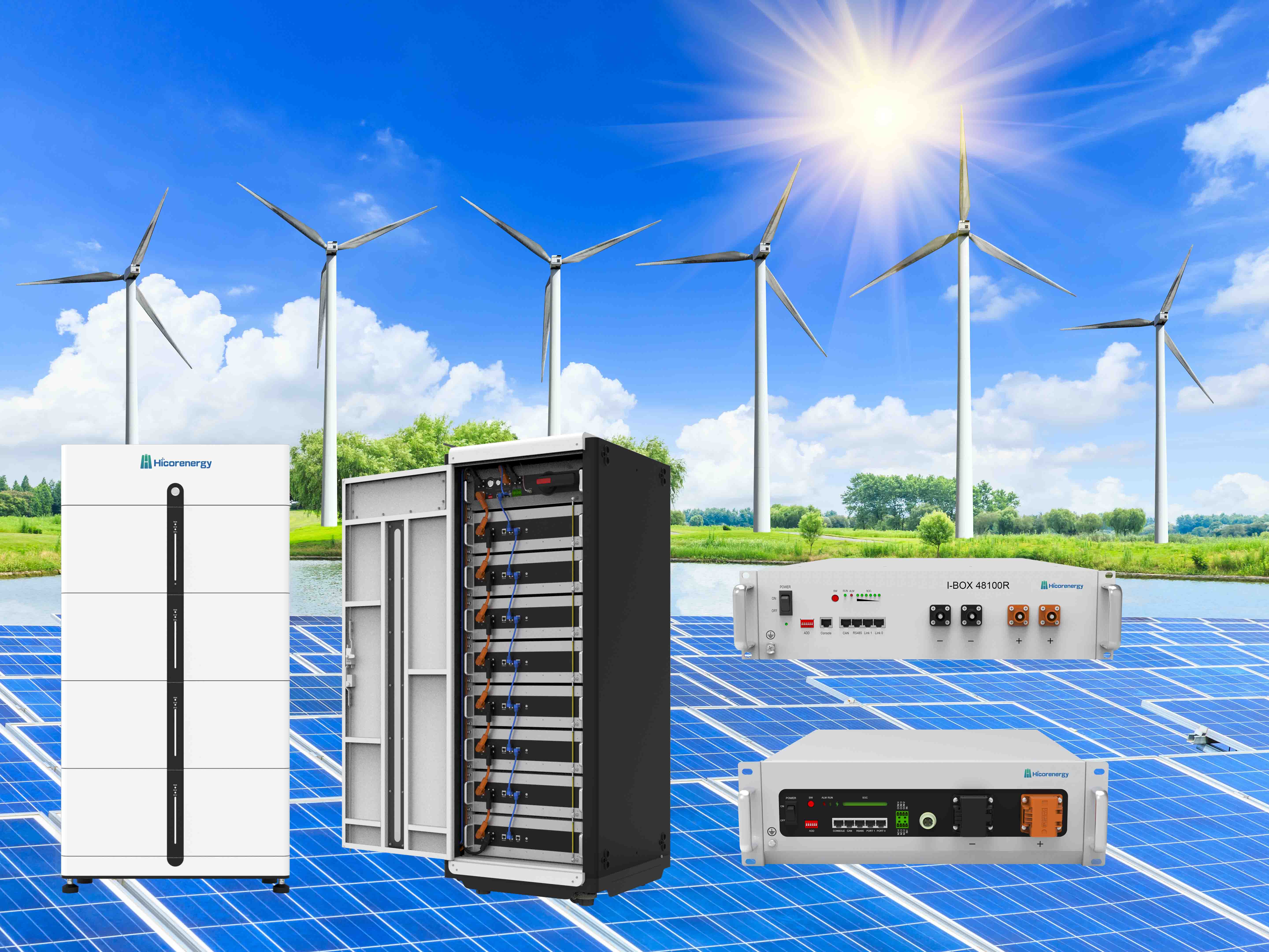
The market is populated by a wide array of lithium battery manufacturers, each with a different philosophy. Some focus on mass-producing individual cells for commodity markets, while others, like Hicorenergy, adopt a holistic, systems-based approach. The difference is profound. A mass-market manufacturer might provide the battery, but a specialized company delivers a complete, integrated solution. Hicorenergy, for example, engineers sleek, modular energy storage cabinets and sophisticated control modules designed for seamless integration with renewable sources like solar and wind. This contrasts sharply with simply buying cells off the shelf and trying to build a system yourself. When evaluating different lithium battery brands, it is crucial to look beyond the cell and consider the robustness, scalability, and intelligence of the entire system.
More Than a Cell: The Importance of the Complete System
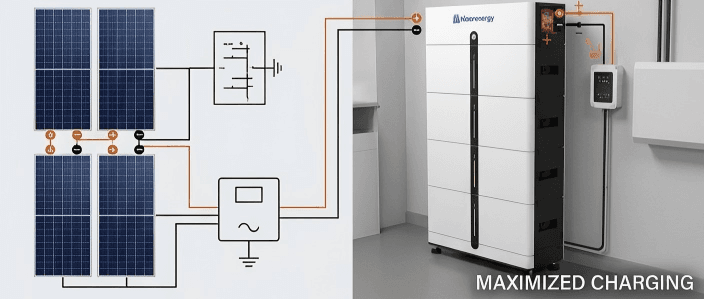
A high-quality battery can be rendered inefficient or even damaged by a subpar management system. This is where the contrast between a simple power source and a comprehensive energy solution becomes clearest. A basic lithium battery charger, for instance, may replenish a battery, but it does little else. An advanced energy management system, like the control modules developed by Hicorenergy, does so much more. It intelligently manages the flow of energy, optimizes charging cycles to extend battery life, provides critical safety protections, and integrates flawlessly with various energy inputs and outputs. This ensures peak performance, longevity, and safety, transforming a collection of components into a reliable, eco-conscious energy hub for residential or commercial use.
Decoding Current and Future Lithium Battery Market Trends
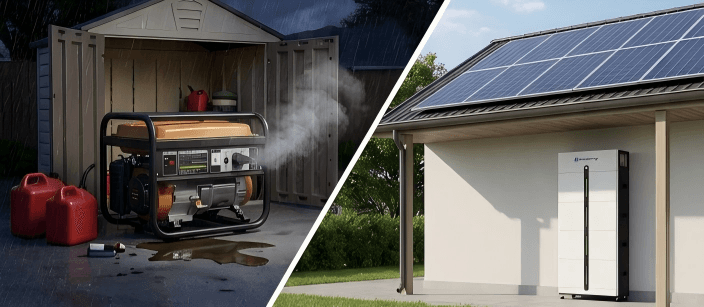
Observing lithium battery market trends reveals a fascinating shift in focus. For years, the conversation was dominated by electric vehicles. While EVs remain a critical market, the new frontier is stationary energy storage. The trend is moving away from simply powering vehicles and toward powering our entire lives sustainably. This is where solutions like Hicorenergy's energy storage cabinets come to the forefront, meeting the demand for reliable home and business backup power and enabling greater use of renewable energy. The market is evolving from valuing the battery cell to valuing the complete, intelligent, and eco-friendly energy management system. This shift highlights a deeper understanding that the future of lithium battery technology is not just about mobility, but about creating resilient and sustainable energy ecosystems.