The Future of Energy Management
In today's rapidly evolving energy landscape, the demand for reliable, efficient, and sustainable power is more critical than ever. As the world shifts towards renewable energy sources like solar and wind, the need for effective energy storage has become paramount. This is where cutting-edge ESS solutions come into play, offering a transformative approach to how we manage and consume electricity. These systems are not just about storing power; they represent a leap forward in achieving energy independence, grid stability, and a greener future for everyone.
The Heart of Modern Energy: Battery Storage Systems
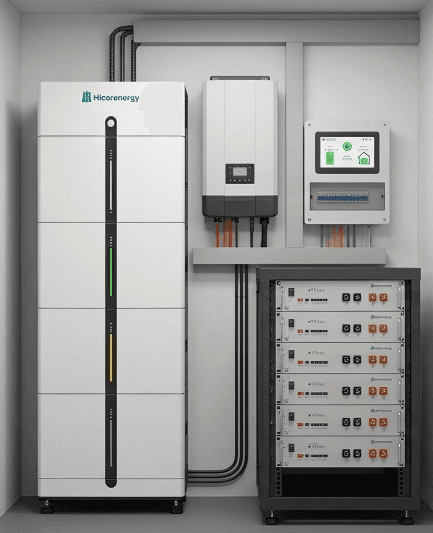
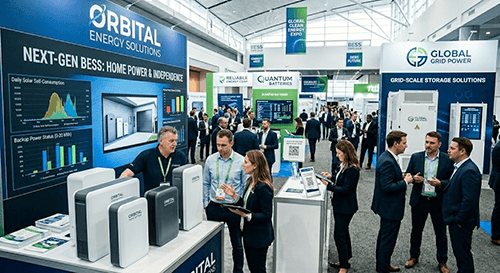
At the core of most modern ESS solutions are advanced battery storage systems. These are the workhorses that capture excess energy generated from sources like solar panels during the day and store it for use when the sun isn't shining or during peak demand hours. The latest innovations in this field focus on modular designs, allowing for incredible versatility. Whether for a small residential setup or a large-scale commercial application, these systems can be scaled by simply adding or removing modules. This flexibility ensures that the energy storage capacity can grow and adapt seamlessly to meet changing demands over time, making it a future-proof investment.
Performance-Driven Technology and Design
The technology packed within these units is truly state-of-the-art. Utilizing top-tier lithium-ion cells, these battery storage systems are optimized for high energy density, a long cycle life, and rapid charging capabilities. This means they can store more energy in a smaller space and deliver it quickly when needed. Furthermore, they are designed with the user in mind. Many systems feature advanced control panels with clean, digital interfaces that provide real-time data on battery status, charge levels, and overall performance. This transparency empowers users to monitor and manage their energy usage with precision and ease, blending sophisticated functionality with modern, elegant design.
Intelligent and Automated Energy Optimization
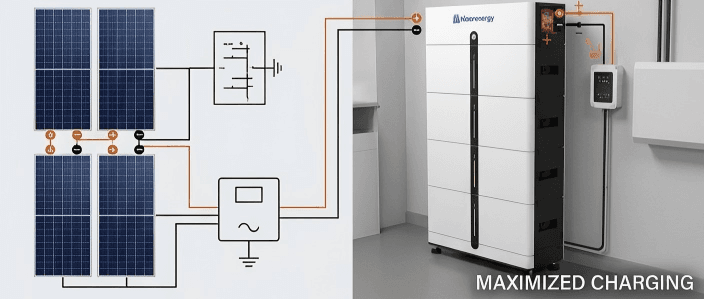
What truly sets today's ESS solutions apart is their built-in intelligence. They are often equipped with smart energy management software that goes beyond simple storage. This software can learn from a household's or business's energy consumption patterns, track utility rate changes, and even consider weather forecasts. Using this data, the system can autonomously decide the best times to charge the batteries (e.g., when electricity is cheapest or solar generation is highest) and when to discharge them to power loads or sell energy back to the grid. This intelligent distribution maximizes efficiency, significantly reduces energy waste, and optimizes cost savings without requiring any manual intervention.
Pioneering a Sustainable Synergy
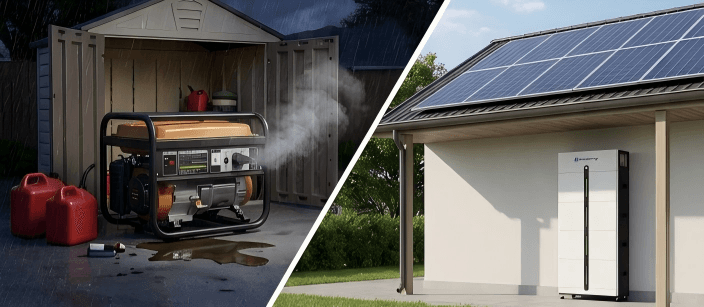
The synergy between battery storage systems and renewable energy is undeniable. They are the key to unlocking the full potential of sources like solar power. By storing surplus solar energy, these systems ensure a consistent and reliable power supply, even during cloudy days or at night. This greatly reduces reliance on the traditional power grid, which is often powered by fossil fuels. For businesses and homeowners, this means a smaller carbon footprint and a tangible contribution to a more sustainable planet. Functioning as an essential backup during power outages, these systems also provide peace of mind and continuity, empowering a lifestyle that is both environmentally conscious and resilient.
Built for Durability and Versatility
To be effective, ESS solutions must be durable enough to perform in a variety of environments. Modern units are crafted with this in mind, housed in industrial-grade materials that can withstand the demands of both residential and commercial settings. Their robust construction ensures long-term reliability whether installed in a garage, a utility room, or a large-scale professional facility. Combining rugged practicality with an understated, stylish appearance, these battery storage systems are designed to fit seamlessly into contemporary spaces, proving that powerful technology can also be aesthetically pleasing.