Energy Storage Supply Done Right: Efficiency, Certification, and Scale
The global energy storage market is expanding rapidly, driven by the surge in solar adoption, renewable integration, and demand for reliable backup power. In this fast-moving environment, working with the right energy storage supplier defines whether projects succeed—or stall. Efficiency, certification, and scale have become the three pillars of supply done right.
Efficiency: More Than Just a Technical Detail
Efficiency in energy storage isn’t just about higher numbers on a datasheet—it translates directly into project value. High-voltage cabinet systems, for example, reduce current losses, allow thinner wiring, and lower installation costs. For installers and project developers, this means faster deployment and stronger returns.
The International Energy Agency (IEA) notes that system-level efficiency improvements can reduce overall storage costs by up to 15% by 2030, highlighting why buyers prioritize suppliers who deliver on this front (IEA).
Certification: The Gateway to Global Markets
No matter how advanced a storage product is, without proper certification it risks getting stuck at customs or rejected by local regulators. From IEC and CE standards in Europe to UN38.3 transport certification and UL standards in North America, compliance is non-negotiable.
The Energy Storage Association (ESA) stresses that certification-backed products are not just safer—they also reduce risk for partners by avoiding costly project delays (ESA).
Working with a factory-backed supplier ensures every system is delivered with the required certification package, smoothing export and accelerating time to market.
Scale: From Pilot Runs to Market Expansion
Scaling from a few trial units to container-level shipments requires production capacity and predictable lead times. Without it, even strong product designs lose momentum in competitive markets.
The International Renewable Energy Agency (IRENA) forecasts global battery storage capacity will triple by 2030, underscoring the need for suppliers capable of consistent volume delivery (IRENA).
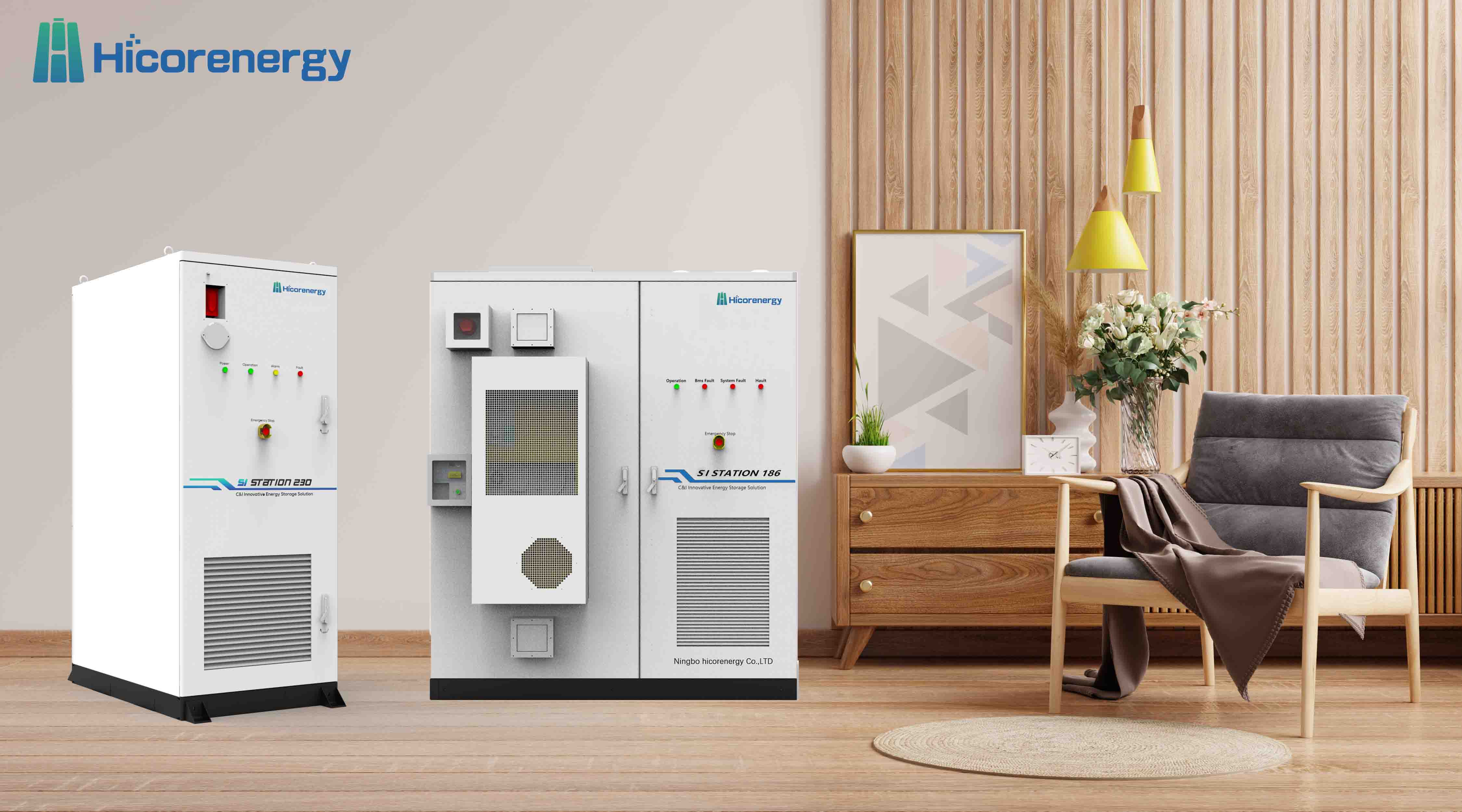
A supplier with scalable capacity ensures businesses can grow at their own pace—whether it’s supplying 5kWh wall-mounted batteries for residential projects, 186kWh cabinets for C&I installations, or containerized ESS for utility applications.
Common Challenges and How the Right Supplier Solves Them
-
Inconsistent Supply → Unreliable vendors disrupt project timelines.
Factory-backed supply ensures predictable lead times and scalable production. -
Certification Gaps → Missing documents lead to customs and regulatory issues.
Export-ready certification packages (IEC, CE, UN38.3, UL) eliminate barriers. -
Generic Products → Lack of differentiation drives down margins.
OEM/ODM options provide branding, packaging, and technical customization. -
Technical Integration Issues → Batteries not configured for local inverters cause costly delays.
Pre-configured BMS and inverter compatibility reduce installation risks.
Applicable Scenarios for Energy Storage Supply
-
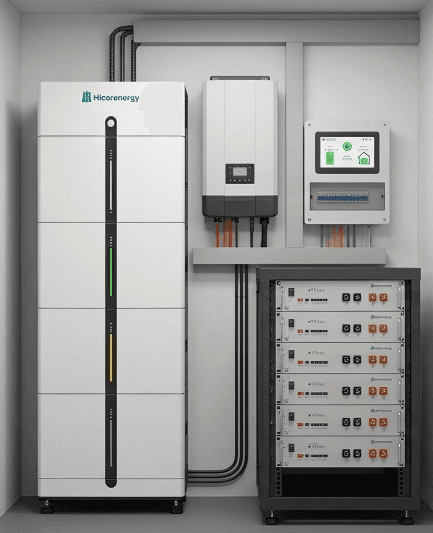
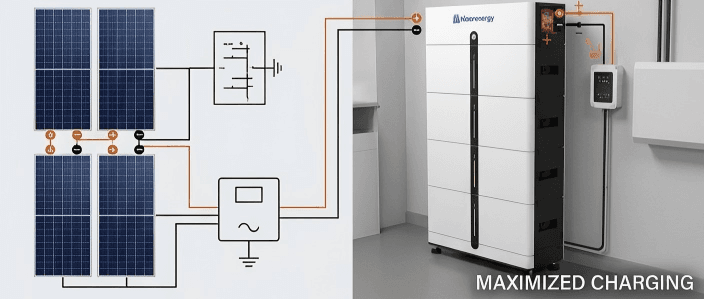
Residential Rooftop Solar – Wall-mounted and stacked ESS systems providing self-consumption and backup.
-
Commercial Peak Shaving – High-voltage cabinets reducing operational costs and stabilizing loads.
-
Utility-Scale Projects – Containerized BESS for renewable integration and grid balancing.
-
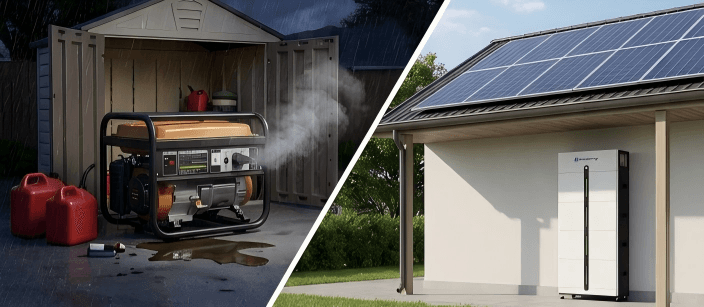
Emerging Market Electrification – Off-grid solutions enabling communities to replace diesel generators with sustainable storage.
Hicorenergy: Your Reliable Energy Storage Supplier
At Hicorenergy, we combine factory capacity with OEM flexibility to meet global demand:
-
Certified systems (IEC, CE, UN38.3, UL) for smooth international deployment
-
Full product portfolio from 5kWh residential units to utility-scale BESS
-
OEM/ODM customization for branding, packaging, and technical integration
-
Scalable production with flexible MOQ and tiered pricing programs
-
Dedicated technical support, installation guides, and long-term warranty coverage
Supply That Builds Market Advantage
In energy storage, efficiency, certification, and scale separate the suppliers who enable growth from those who hold it back.
With Hicorenergy, you gain a partner who delivers certified, scalable, and factory-backed energy storage solutions designed to accelerate your market success.
📩 Request a quotation today and discover how Hicorenergy can strengthen your energy storage portfolio with OEM-ready solutions.