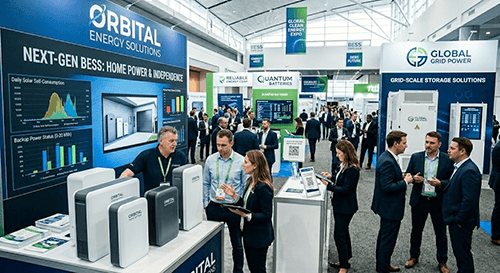
Energy Storage Product Distributors can boost sales by aligning with market trends, strengthening digital visibility, offering strong technical support, and partnering with reliable manufacturers. By combining financial incentives, customer-focused service, and high-quality energy storage solutions, distributors can improve market competitiveness, increase customer trust, and achieve sustainable revenue growth in both residential and commercial sectors.
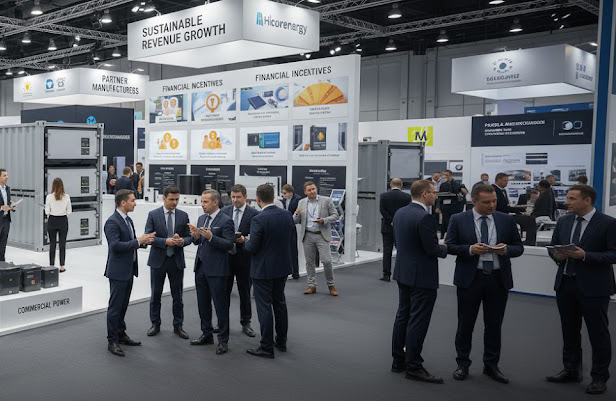
Understanding the Energy Storage Market Trends
The global energy storage market is expanding rapidly due to rising electricity costs, unstable power grids, and increased adoption of renewable energy. Energy Storage Product Distributors must understand regional demand differences, such as the need for backup power in developing markets and grid-balancing solutions in mature economies. Customers increasingly prioritize battery safety, lifecycle performance, and compatibility with solar and inverter systems. At the same time, policy incentives and carbon reduction goals are accelerating adoption. Distributors that stay informed about lithium battery technology, modular system design, and regulatory requirements are better positioned to offer relevant solutions and capture emerging opportunities.
Leveraging Digital Marketing for Increased Visibility
A strong online presence is essential for Energy Storage Product Distributors seeking consistent lead generation. Professional websites, technical blogs, and search engine optimization help distributors reach installers, project developers, and end users researching energy storage solutions. Referencing structured product information, application cases, and certifications—similar to best practices seen on platforms like hicorpower.com—improves credibility. In addition, digital channels such as LinkedIn, Google search, and industry portals allow distributors to communicate value propositions clearly. By highlighting system reliability, application scenarios, and long-term cost benefits, distributors can position themselves as knowledgeable partners rather than price-driven suppliers.
Offering Comprehensive Training and Support
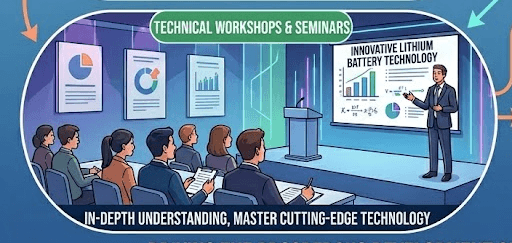
Technical confidence plays a critical role in purchasing decisions. Providing installers and sales teams with regular training on system design, installation, and troubleshooting helps reduce project risks and improves customer satisfaction. For Energy Storage Product Distributors, training is also a strategic bridge between marketing and long-term service. Well-trained partners are more likely to recommend products, close deals efficiently, and maintain strong end-user relationships. This approach not only reduces after-sales issues but also builds a foundation of trust that encourages repeat business and long-term collaboration.
Building Strong Partnerships with Manufacturers
Strong manufacturer partnerships are a core growth driver for Energy Storage Product Distributors. Working closely with manufacturers that offer stable supply chains, global certifications, and scalable production ensures consistent product availability and quality. Strategic partners can provide customized solutions, technical documentation, and co-marketing support, which directly strengthens distributor competitiveness. Long-term collaboration also allows distributors to access new products earlier, respond faster to market changes, and reduce operational risks. By aligning with manufacturers that emphasize safety, innovation, and global service networks, distributors can differentiate themselves in crowded markets and support complex residential and commercial energy storage projects.
Promoting Financial Incentives and Rebates
Financial considerations strongly influence buying behavior across residential, commercial, and industrial customers. Energy Storage Product Distributors who actively promote available incentives, rebates, and financing options can significantly shorten decision cycles. These may include government subsidies, utility-backed programs, or flexible payment terms for large-scale installations. Clear communication about return on investment, peak shaving savings, and reduced energy bills helps customers understand long-term value rather than upfront cost alone. Distributors that integrate financial guidance into their sales strategy are better positioned to convert interest into confirmed orders, especially in price-sensitive markets.
Enhancing Customer Engagement and After-Sales Service
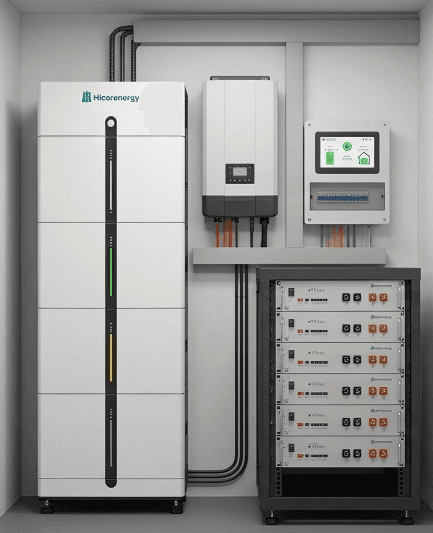
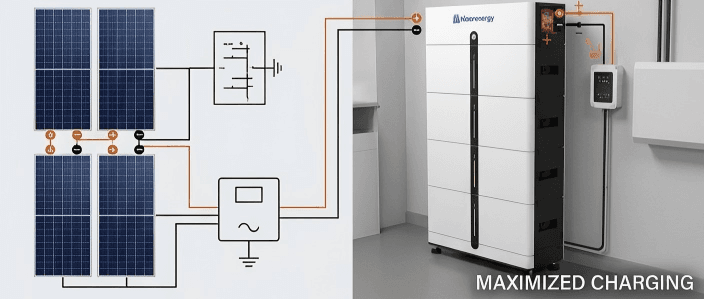
Customer engagement does not end after product delivery. High-performing Energy Storage Product Distributors invest in after-sales service, remote monitoring support, and clear warranty processes. Introducing reliable product lines, such as Hicorenergy’s residential and commercial energy storage systems, strengthens this strategy. Hicorenergy offers lithium iron phosphate solutions with long cycle life, high safety standards, and flexible scalability for households, factories, and commercial buildings. Features such as wide inverter compatibility, modular expansion, and remote monitoring enable distributors to address diverse customer needs while reducing maintenance complexity. Consistent technical support and responsive service teams enhance customer confidence and encourage long-term cooperation.
Conclusion
Energy Storage Product Distributors can boost sales by combining market insight, digital visibility, strong partnerships, and customer-centric service. With Hicorenergy’s reliable residential, C&I, and lithium battery solutions, distributors can deliver safe, scalable, and cost-effective energy storage systems that support long-term business growth.
Contact Hicorenergy:
Email: info@hicorpower.com
WhatsApp: +86 181-0666-3226