Understanding Energy Storage Cabinets: A Comprehensive Guide
Choosing the right energy storage system is crucial for ensuring reliable power, whether for your home, business, or industrial application. Among the various options, energy storage cabinets offer a robust and organized way to house and manage your power reserves. This guide will walk you through the key considerations for selecting, installing, and maintaining these essential systems, helping you make an informed decision for your energy independence. Understanding the different types available, from basic setups to sophisticated modular energy storage, is the first step towards an efficient power solution.
Assessing Your Energy Storage Needs
Before diving into specific models, it's vital to accurately assess your energy requirements. Consider the total power capacity (kWh) you need to store and the peak power output (kW) your connected devices will demand. Are you looking for a backup power solution for occasional outages, or do you need a system to store solar energy for daily use? For industrial applications, the demands might be significantly higher, requiring systems designed for continuous high-efficiency operation. Clearly defining your application – be it residential, commercial, or industrial – will narrow down your choices significantly and help you identify suitable battery storage solutions.
Design and Durability: What to Look For
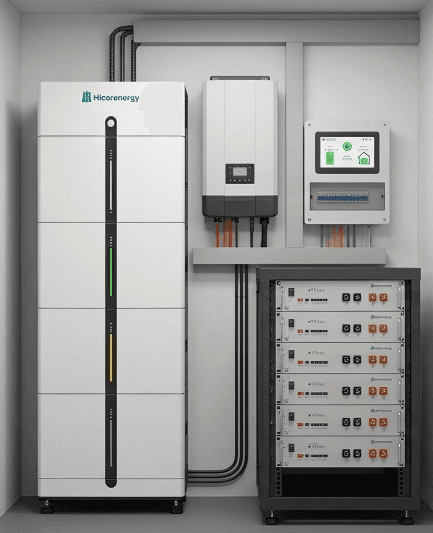
The physical design of an energy storage cabinet impacts its installation, usability, and longevity. Look for units with a robust construction, often featuring durable metallic chassis. Rack-mounted form factors, for instance, can be particularly beneficial for easy handling and streamlined installation, especially in environments like data centers or industrial settings where space optimization is key. Ergonomic handles and a well-thought-out layout for components also contribute to ease of maintenance. The overall design should ensure long-term reliability even in demanding operational environments.
Understanding Controls and Monitoring Systems
Effective management of your energy storage relies heavily on its control and monitoring capabilities. A user-friendly interface is paramount. Look for systems with clearly labeled controls, such as straightforward power switches. Equally important are status indicators – lights or digital displays that provide real-time information on operational status, any potential alarms, and the state of charge (SOC) of the batteries. This precise monitoring is crucial for understanding system performance, diagnosing issues promptly, and ensuring battery health, which is a hallmark of effective battery storage solutions.
Connectivity for Smart Energy Management
In today's interconnected world, the ability of an energy storage cabinet to integrate with other systems is a significant advantage. Advanced units offer comprehensive connectivity options. Console ports can allow for direct communication and system setup, while interfaces like CAN and RS485 are essential for sophisticated data exchange and compatibility with building automation or industrial control protocols. For larger energy storage networks or those requiring redundancy, dual link ports can offer enhanced scalability and reliability. This connectivity is particularly important for deploying flexible modular energy storage systems that can adapt to changing needs.
High-Performance Terminals and Electrical Safety
The quality of electrical terminals within an energy storage cabinet is critical for both efficiency and safety. These components are responsible for managing significant electrical currents, so they must be engineered for peak performance and reliability. Look for cabinets with clearly marked and conveniently positioned positive and negative terminals, simplifying the organization and management of connections. The use of industrial-grade materials for these terminals ensures consistent performance, even under high-energy demands, and minimizes the risk of overheating or connection failures.
Exploring Types: From Portable Units to Solar Integration
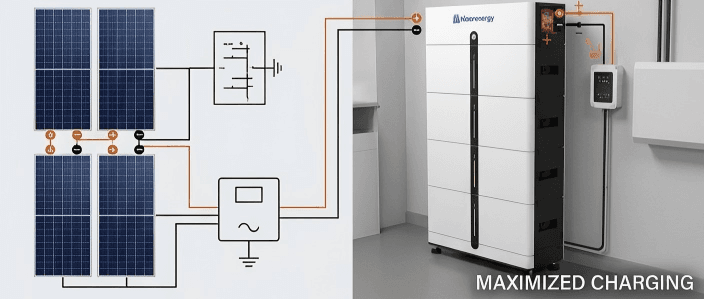
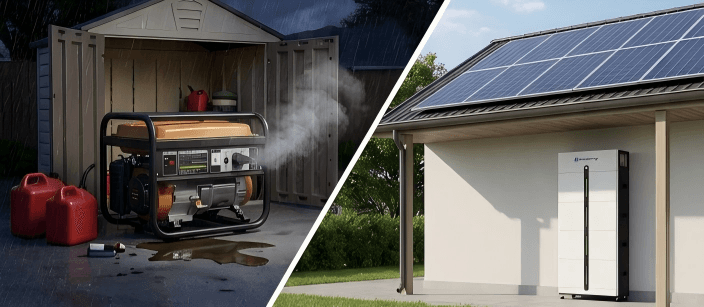
Energy storage cabinets come in various forms, catering to diverse needs. While some larger industrial units are stationary, the concept of portable energy storage is gaining traction for specific applications requiring mobility, although even rack-mounted units can be considered semi-portable within an industrial facility. For those harnessing renewable energy, solar energy storage cabinets are specifically designed to integrate seamlessly with photovoltaic systems. These units efficiently store excess solar power generated during the day for use at night or during cloudy periods, maximizing self-consumption and reducing reliance on the grid. The HicorEnergy I-BOX 48100R, for example, embodies many features ideal for such demanding applications, making it a strong contender in the market.
Installation and Maintenance Essentials
Proper installation is fundamental to the safe and effective operation of your energy storage system. Always follow the manufacturer’s guidelines or hire a qualified professional for the installation process. Ensure the chosen location is well-ventilated, dry, and can support the weight of the cabinet. Regular maintenance, though often minimal for modern systems, is key to longevity. This may include visual inspections, checking connections, and monitoring system logs for any anomalies. Using components like those found in the I-BOX 48100R, designed for durability, can also simplify long-term upkeep. Keeping the unit clean and free from obstructions will also contribute to its optimal performance.
Making the Right Choice for Sustainable Power
Selecting the right energy storage cabinet is a significant step towards greater energy efficiency and independence. By carefully assessing your needs, understanding key features like design, controls, connectivity, and safety aspects, and considering the different types available, including those optimized for solar energy storage cabinets or offering portable energy storage benefits, you can choose a solution that truly meets your requirements. A well-chosen system, perhaps one incorporating the advanced design principles seen in the HicorEnergy I-BOX 48100R, engineered for high efficiency and robust performance in various applications, will provide reliable power for years to come, supporting your journey towards a more sustainable energy future.