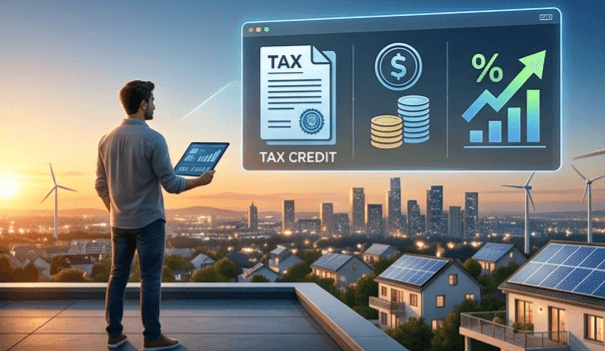
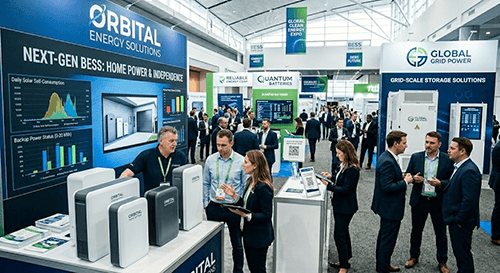
Businesses today face a dual challenge: rising energy costs and the growing need for a stable, uninterrupted power supply. Fluctuations in the grid and increasing demand charges can significantly impact operational efficiency and bottom-line profits. Fortunately, modern technology offers a powerful solution. By implementing commercial energy storage solutions, companies can take control of their energy consumption, enhance resilience, and pave the way for a more sustainable future. This guide will walk you through how these systems work and how to choose the right one for your needs.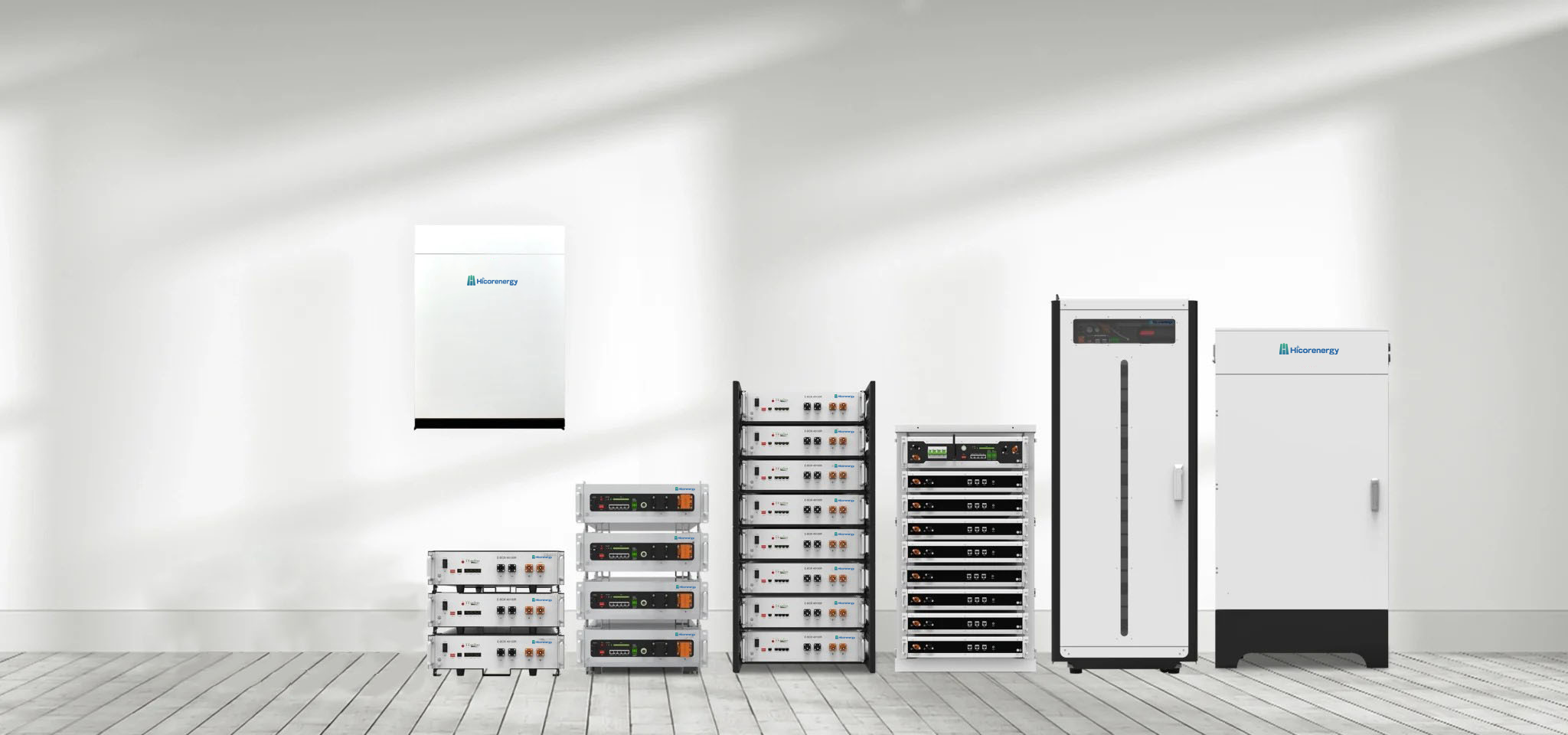
Understanding the Core Technology
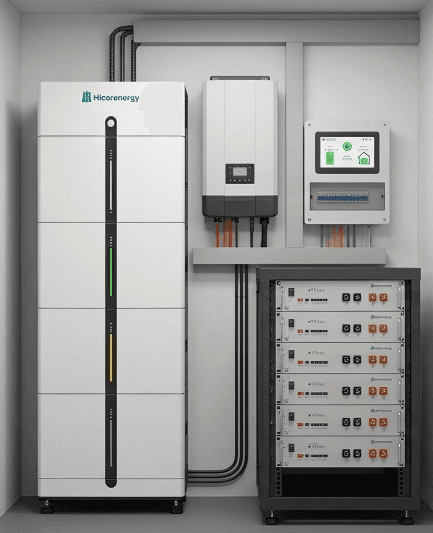
At its heart, an energy storage system operates on a simple principle: it saves energy for later use. These systems, often referred to as industrial energy storage systems, typically use advanced battery technology to store electricity when it is cheap and abundant—such as during off-peak hours overnight or from renewable sources like solar panels during the day. This stored energy can then be discharged whenever it is needed most, whether to power operations during a grid outage or to avoid high demand charges during peak consumption periods. A well-designed system, like the Si Station 230, integrates sophisticated power management capabilities to intelligently balance energy demands and optimize usage automatically.
Key Benefits of Battery Storage for Businesses
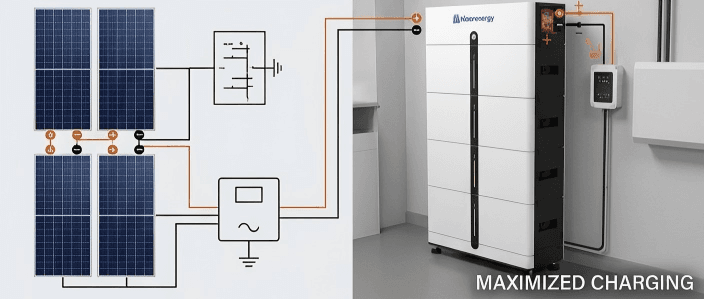
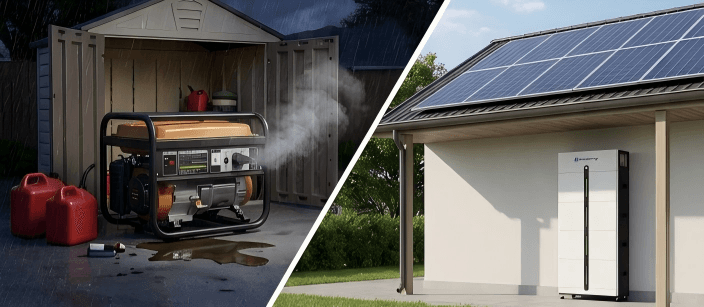
Integrating battery storage for businesses yields a multitude of advantages that go far beyond simple backup power. The most significant benefit is economic. Through a practice called 'peak shaving,' a business can draw from its stored energy during high-cost peak hours, dramatically reducing expensive demand charges from the utility provider. Secondly, these systems provide invaluable energy resilience, ensuring that critical operations can continue seamlessly during blackouts or brownouts, preventing costly downtime. Finally, they are a cornerstone of sustainability initiatives. By storing excess renewable energy, businesses can maximize their use of green power and significantly lower their carbon footprint, aligning with corporate environmental responsibility goals.
How to Choose the Right System for Your Facility
Selecting the appropriate solution requires a careful assessment of your company's specific energy profile and operational needs. First, evaluate your energy consumption patterns to determine the necessary capacity (measured in kWh) and power rating (measured in kW). Consider your primary goal: is it peak shaving, backup power, or maximizing solar self-consumption? Look for systems with a durable, robust construction built to withstand demanding industrial environments. An intuitive, user-friendly control interface with clear indicators for power, operation, and faults is essential for easy monitoring. Crucially, prioritize safety features, such as a prominent emergency stop button and an efficient thermal management system, which are vital for maintaining optimal performance and longevity. Modern industrial energy storage systems should offer a streamlined and compact design to conserve valuable facility space.
A Leading Example in Commercial Energy Storage
The Si Station 230 from Hicorenergy exemplifies a cutting-edge C&I innovative energy storage solution that meets these criteria. It combines a sleek, compact design with a rugged exterior, ensuring it fits seamlessly into various settings while guaranteeing durability. Its advanced power management software empowers businesses to stabilize power output, reduce energy costs, and efficiently integrate renewable sources. With an emphasis on user safety and operational simplicity, the Si Station 230 is more than just hardware; it is a comprehensive tool for smarter energy management. By adopting advanced commercial energy storage solutions like this, your business can not only protect itself from grid volatility but also position itself as a competitive, forward-thinking leader in your industry. Contact Hicorenergy at info@hicorpower.com to learn how to elevate your energy strategy.