Commercial Energy Storage Solutions: Optimizing Business Power
HomeBlogCommercial Energy Storage Solutions: Optimizing Business Power

Commercial Energy Storage Solutions: Optimizing Business Power

  • News
Posted by Hicorenergy On Jun 25 2025

As businesses navigate the complexities of modern energy markets, the need for reliable and efficient power management has never been greater. For many, commercial energy storage solutions represent a pivotal technology, offering a pathway to reduced costs, enhanced grid independence, and a smaller carbon footprint. These systems are not just for large-scale industrial giants; they provide tangible benefits for a wide range of enterprises, fundamentally changing how companies consume and manage electricity.


Understanding Battery Storage for Businesses


At its core, battery storage for businesses involves capturing electricity from the grid or from on-site renewable sources, like solar panels, and storing it for later use. For commercial enterprises such as office buildings, retail centers, and hotels, the primary drivers are often economic. These systems excel at 'peak shaving,' which is the practice of drawing from the battery during times of high electricity demand when utility rates are most expensive. This significantly reduces demand charges, which can constitute a large portion of a commercial energy bill. Furthermore, they provide invaluable backup power, ensuring that critical operations like lighting, servers, and security systems remain active during a grid outage, preventing data loss and operational downtime.

Exploring Industrial Energy Storage Systems


While conceptually similar, industrial energy storage systems operate on a much grander scale and serve more intensive applications. Think of large manufacturing plants, processing facilities, and data centers where energy is not just a utility cost but a critical component of production. These systems are designed for high power output and massive capacity, often measured in megawatt-hours (MWh). Their role extends beyond simple cost savings to ensuring process continuity for heavy machinery and sensitive equipment. An unexpected power loss in an industrial setting can lead to catastrophic equipment damage and millions in lost revenue. Therefore, industrial systems are engineered for extreme reliability, seamless integration with complex plant control systems, and often participate in grid services like frequency regulation to provide an additional revenue stream.

Key Differences: Scale, Application, and Complexity


A direct comparison reveals distinct differences tailored to specific needs. The most obvious is scale; commercial systems might range from tens to hundreds of kilowatt-hours (kWh), whereas industrial energy storage systems often start in the megawatt-hour range. Their applications also diverge. A commercial system focuses on managing building loads and optimizing utility bills. An industrial system is a strategic asset for production continuity, large-scale peak demand management, and power quality control. This leads to greater technical complexity in industrial solutions, which require sophisticated thermal management, advanced control software, and deep integration with existing operational technology.

A Versatile Solution for Modern Demands


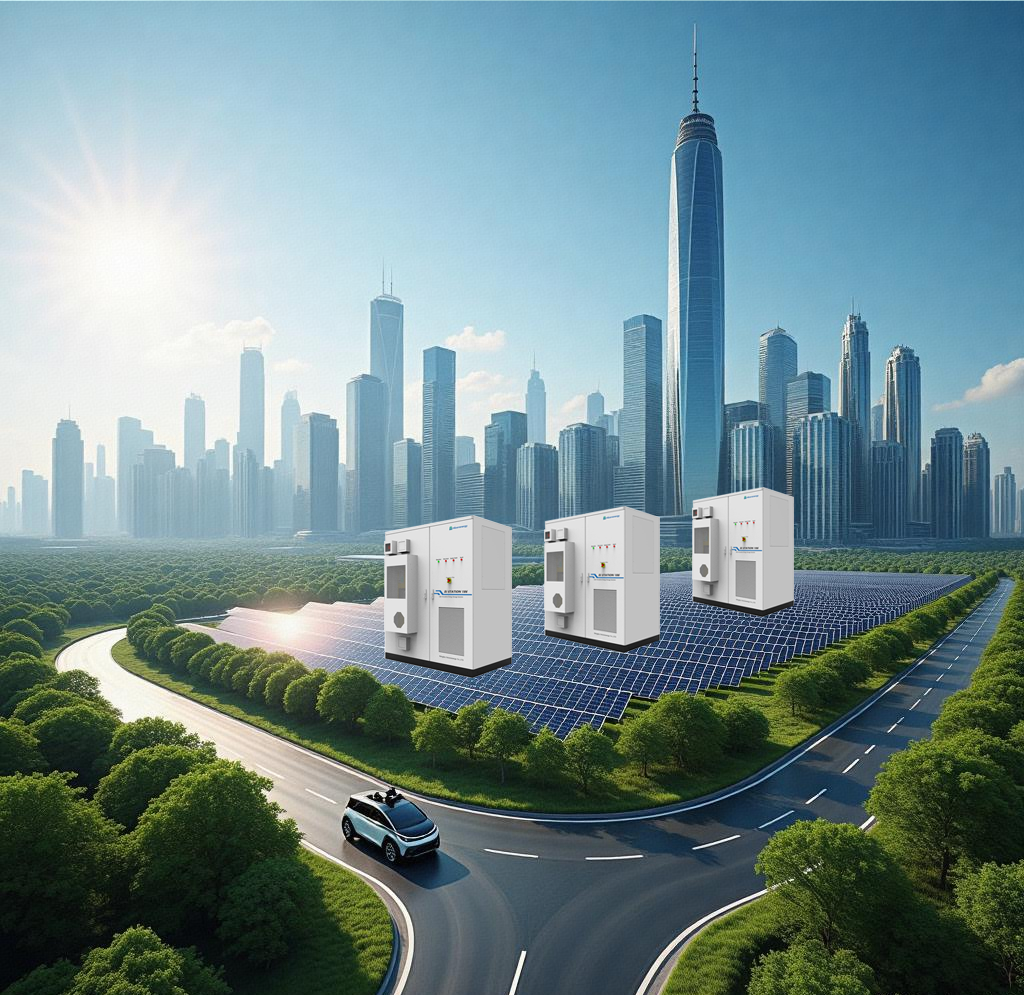
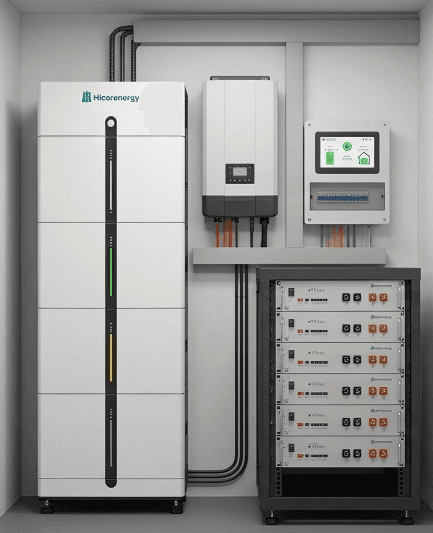
Bridging the gap between various business needs is where innovative products shine. TheSI Station 230from Hicornergy is a prime example of a versatileC&I (Commercial and Industrial)solution designed for optimal reliability and efficiency. Its robust design features an intuitive interface with clear indicators for power, operation, and faults, alongside a prominent emergency stop for enhanced safety. With features like efficient ventilation for thermal management and secure, easy-access panels for maintenance, the SI Station 230 is built for demanding environments. Its scalability ensures it can grow with a business's energy demands, making it an ideal partner for enterprises aiming for sustainability, cost-efficiency, and uninterrupted power, whether in a commercial or light industrial setting.
Categories

Featured Blogs

Contact us

Get in touch with us for more information about our products and services

Phone

Featured Blogs

Safety Tips for Energy Storage Batteries in Hot Climates (2025 Guide for Distributors & Installers)

Safety Tips for Energy Storage Batteries in Hot Climates (2025 Guide for Distributors & Installers)

1.Why High Temperatures Are the #1 Risk for Lithium Energy Storage Systems in Hot Regions? 2.Best Battery Chemistries for Hot Climates: LFP vs NMC in Extreme Heat 3.Maximum Operating Temperature Limits You Must Never Exceed 4.Essential Cooling Solutions for ESS in Desert and Tropical Areas 5.Installation & Site Selection Rules to Prevent Thermal Runaway in 40°C+ Environments 6.Recommended Safety Certifications and Official Resources for Distributors and Installers

Read More
Benefits of Battery Energy Storage in Charging Stations

Benefits of Battery Energy Storage in Charging Stations

1.How Battery Energy Storage Systems Improve the Reliability of Charging Infrastructure 2.Cost Savings: How Battery Energy Storage Reduces Operational Expenses for Charging Stations 3.The Role of Battery Energy Storage in Managing Peak Demand and Grid Stability 4.How Distributors and Installers Can Leverage Battery Energy Storage to Offer Competitive Charging Solutions 5.Future Trends: The Growing Role of Battery Energy Storage in Sustainable Charging Stations

Read More
Home Energy Saving Systems: How Can Homeowners Maximize Efficiency and Reduce Costs?

Home Energy Saving Systems: How Can Homeowners Maximize Efficiency and Reduce Costs?

1.Why Home Energy Saving Systems Are Essential for Modern Residential Properties 2.What Are 5 Ways to Save Energy at Home? 3.How Can I Save 90% of My Electric Bill? 4.What Are the Best Energy-Saving Devices for a Home? 5.What Is the Most Energy-Wasting Device in the Home? 6.How Distributors and Installers Can Benefit from Offering Home Energy Saving Systems 7.Understanding the Return on Investment (ROI) for Home Energy Saving System Installations

Read More
How Important Is Product Certification for Energy Storage Products

How Important Is Product Certification for Energy Storage Products

1.Why Product Certification is Crucial for Energy Storage Systems in the Residential Market 2.The Role of Certifications in Ensuring Quality and Safety for Energy Storage Installations 3.How Certified Energy Storage Products Meet Industry Standards and Regulations 4.What Distributors and Installers Need to Know About Energy Storage Product Certifications 5.Top Certifications to Look for When Choosing Energy Storage Solutions for Residential Homes 6.The Impact of Certified Energy Storage Products on Customer Trust and Market Demand

Read More
What Are the Key Benefits of Installing a 10kWh Battery for Residential Energy Storage

What Are the Key Benefits of Installing a 10kWh Battery for Residential Energy Storage

1.Why a 10kWh Battery is a Smart Investment for Homeowners Looking to Save on Energy Costs? 2.How a 10kWh Energy Storage Battery Enhances Home Energy Efficiency and Sustainability? 3.How Many Years Can a 6000 Cycle Battery Last for Distributors and Installers? 4.How Installing a 10kWh Battery Improves Energy Security for Homeowners? 5.Top Benefits of 10kWh Battery Integration with Solar Energy Systems for Home Installers! 6.Why Distributors Should Consider Offering 10kWh Energy Storage Solutions for Residential Clients?

Read More
Maximize Benefits with Solar Energy Incentives

Maximize Benefits with Solar Energy Incentives

1. Unlock the Power of the Sun with Financial Perks 2. Unlock Major Savings with Federal Solar Incentives 3. Empowering Homeowners with Local and Green Energy Incentives 4. Maximizing Your Investment with Energy Efficiency Incentives 5. Why Hicorenergy is Your Partner in a Greener Future 6. Take Control of Your Energy Future Today

Read More
attitude

It's All About Attitude!