 The landscape of energy consumption is undergoing a massive transformation, and the conversation around battery storage Australia is at the heart of this shift. As more households and businesses embrace solar power, the need for effective ways to store that energy for later use has become paramount. This trend is not just about environmental consciousness; it is a significant move towards greater control over power consumption, a response to fluctuating energy prices, and a quest for a more resilient and independent energy future. Modern energy storage solutions are enabling this transition, providing the missing link between intermittent renewable generation and consistent power supply, fundamentally altering how Australians interact with the grid.
The Growing Demand for Energy Storage Solutions
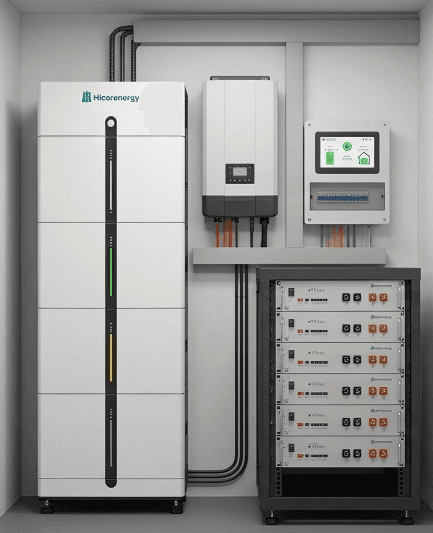
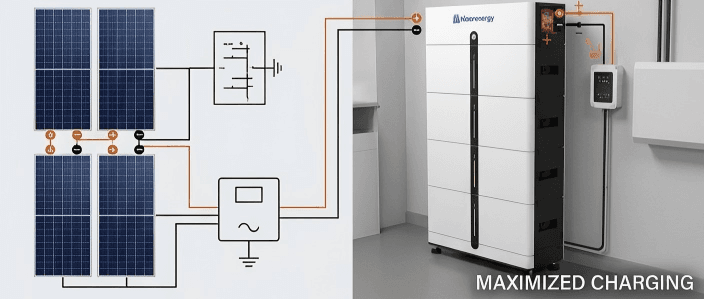
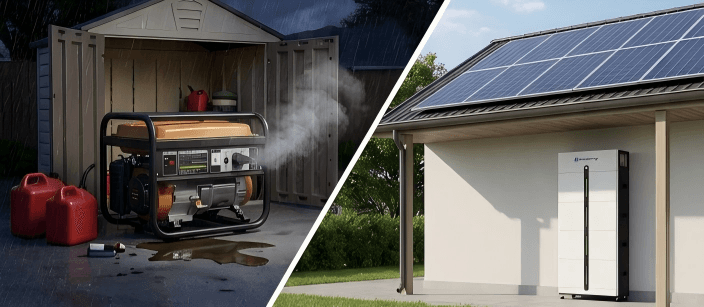
The surge in popularity for residential and commercial solar installations has naturally paved the way for advanced energy storage solutions. Solar panels are incredibly effective during peak sunlight hours, but what happens when the sun goes down or on overcast days? This is where battery systems come into play. They capture the excess solar energy generated during the day and store it, allowing homes and businesses to power themselves through the evening and night. This capability is the cornerstone of achieving genuine energy independence Australia, reducing reliance on the traditional grid and protecting consumers from the volatility of energy prices. The technology has evolved rapidly, with modern systems featuring sleek designs and modular capacities, allowing for scalable storage that can be tailored to specific needs, from small households to large industrial operations.
Transforming the Electricity Market Australia
The widespread adoption of battery storage is having a profound and disruptive impact on the electricity market Australia. Traditionally, energy has flowed in one direction—from large, centralized power plants to consumers. Now, with distributed energy resources like rooftop solar and batteries, consumers are becoming 'prosumers'—producing, storing, and even selling their own energy. This decentralization helps to stabilize the national grid by reducing peak demand and providing ancillary services. Furthermore, it opens up new economic models where homeowners and businesses can participate in Virtual Power Plants (VPPs), collectively discharging their stored energy to support the grid during times of high demand, creating a more dynamic and responsive energy ecosystem.
The Untapped Potential of Commercial Battery Storage
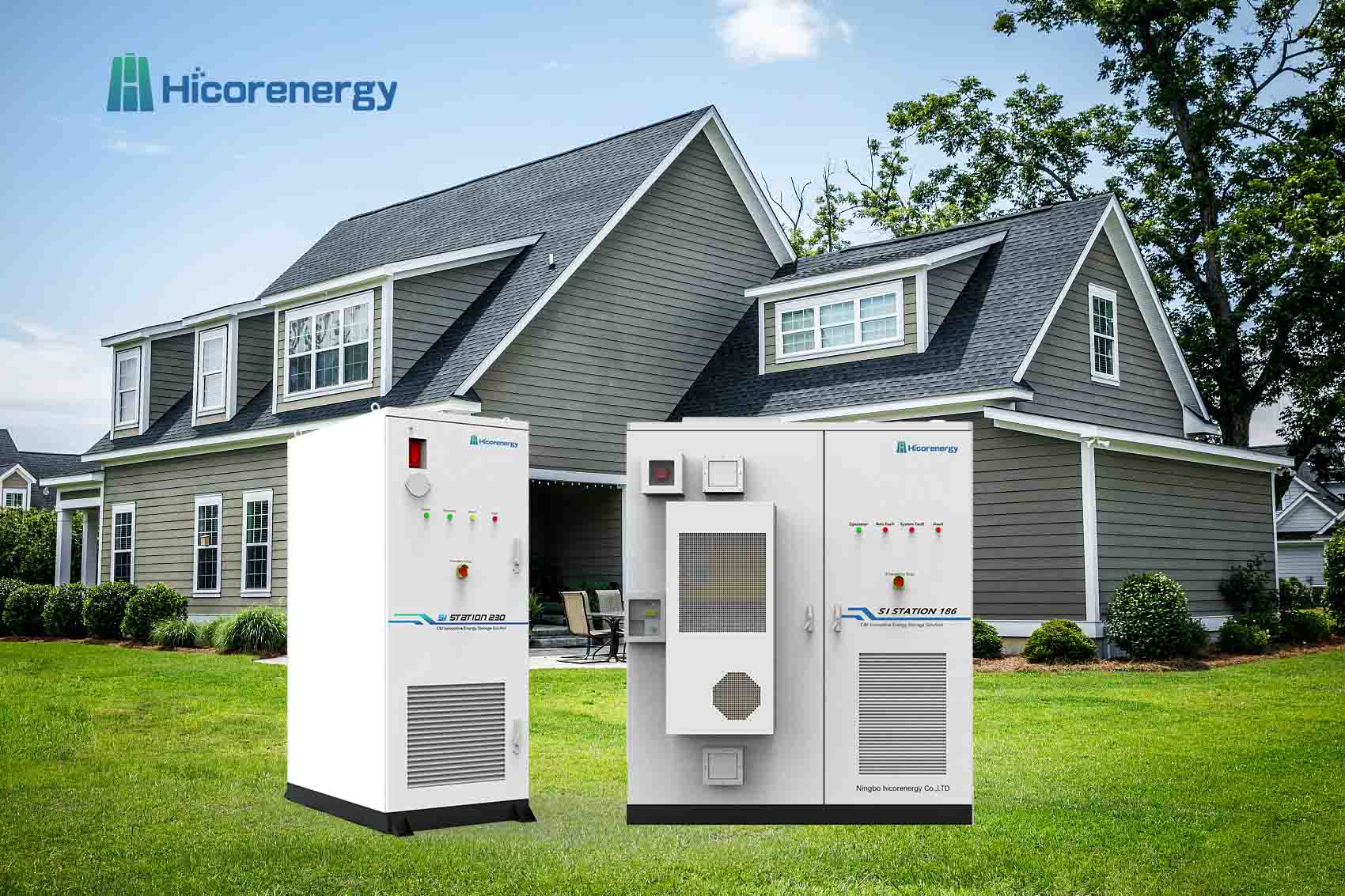
While the residential market has seen significant growth, the potential for commercial battery storage is even more substantial. For businesses, energy is a major operational cost, and power disruptions can lead to significant financial losses. A robust commercial battery storage system offers a multifaceted solution: it drastically cuts electricity bills by maximizing the use of self-generated solar power, provides a reliable backup during grid outages to ensure business continuity, and helps companies meet their corporate sustainability goals. The scalability of modern lithium-ion battery modules means that systems can be designed to meet the high-demand requirements of commercial enterprises, making it a sound financial and operational investment that enhances both resilience and brand reputation.
What Does the Future of Batteries Hold?
Looking ahead, the future of batteries is incredibly promising, with ongoing innovation set to make storage technology even more efficient, affordable, and accessible. Research and development are focused on increasing energy density, extending battery lifespan, and improving safety standards. As manufacturing scales up and technology matures, the cost of battery storage Australia is expected to continue its downward trend, accelerating adoption across all sectors. These advancements will not only strengthen the case for individual energy independence but also play a crucial role in large-scale grid storage projects, ensuring a stable and reliable power supply as Australia transitions towards a future powered predominantly by renewable energy.