 The landscape of energy consumption in Australia is undergoing a profound transformation. As solar panels become a common sight on rooftops across the nation, the conversation is shifting towards the next vital step: effective energy storage. This is where the trend for battery storage Australia is rapidly gaining momentum, fundamentally altering the dynamics of the national electricity market Australia and empowering consumers like never before. The move towards storing self-generated power is not just a fleeting trend; it represents a foundational shift towards a more sustainable and resilient energy future.
The Growing Demand for Energy Storage Solutions
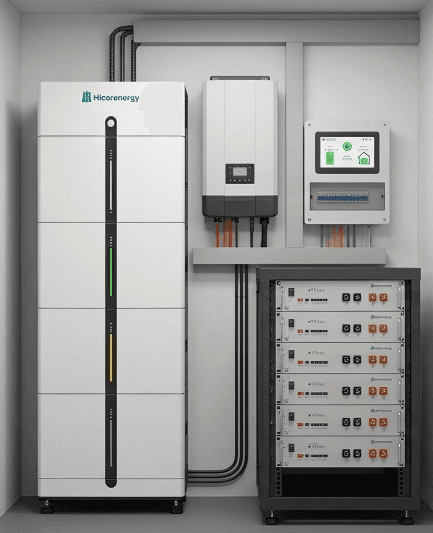
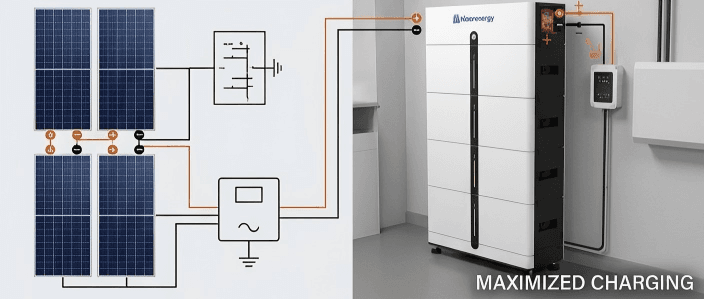
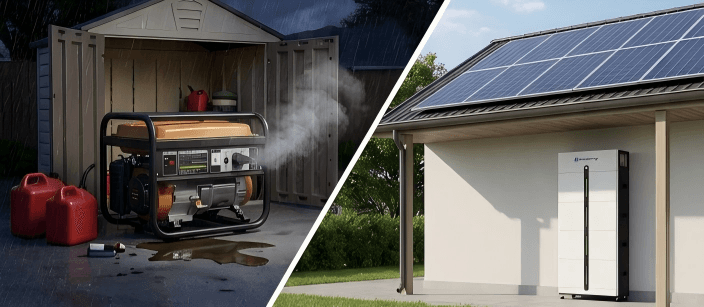
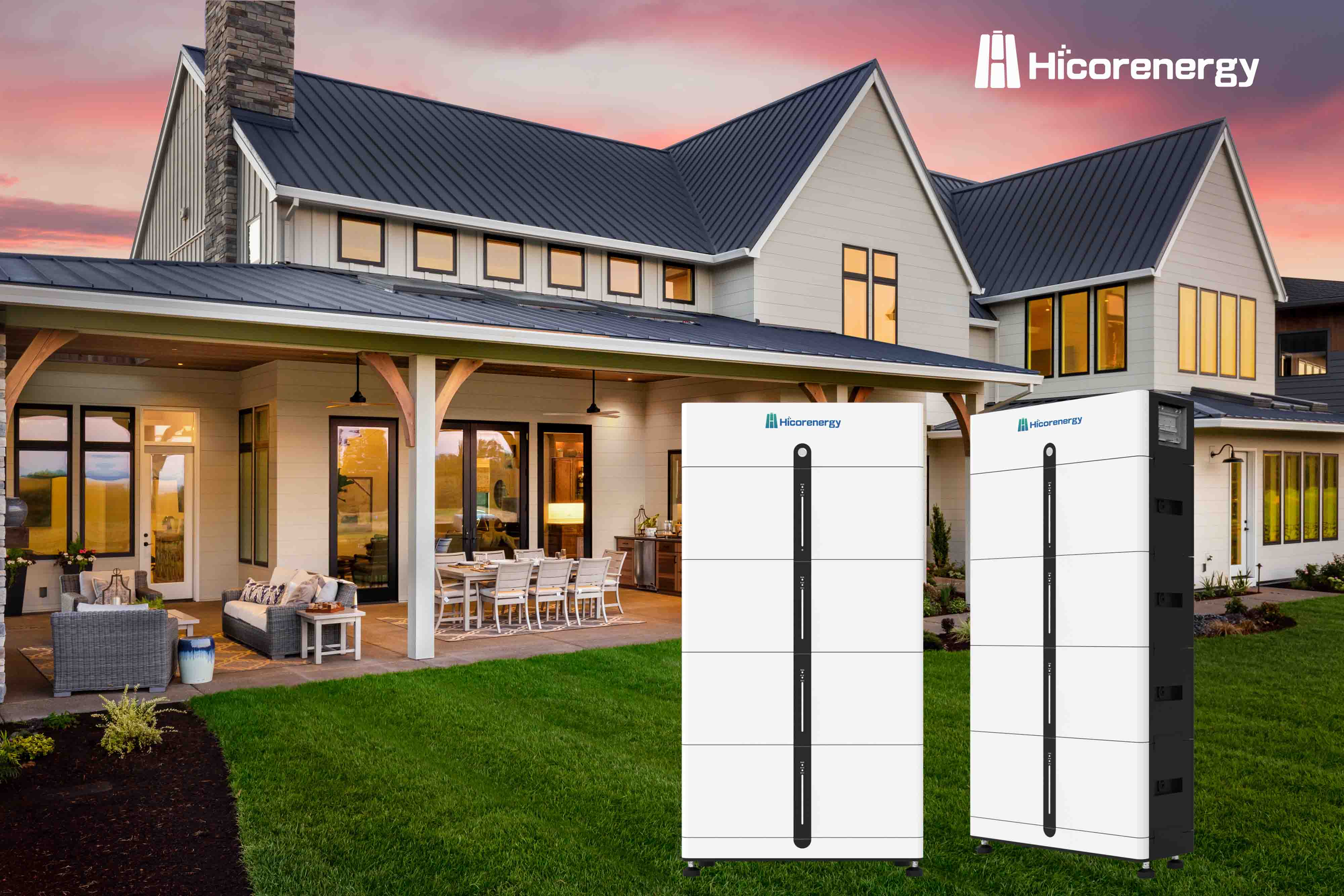
Australia's strong uptake of solar power has highlighted the challenge of intermittency—the sun doesn't shine at night, and clouds can reduce output during the day. This is precisely why advanced energy storage solutions are becoming indispensable. These systems capture the abundant, unused solar energy generated during peak sunlight hours, saving it for when it's needed most. For homeowners, this capability is the key to unlocking true energy independence Australia. Innovative products, such as Hicorenergy's sleek residential solar inverters and stackable lithium-ion battery modules, are pivotal in this transition. The modular design allows for customized setups that perfectly fit varying space and energy requirements, ensuring top-notch energy retention and significantly reducing dependency on the conventional power grid.
Transforming the Commercial Sector with Battery Storage
The impact of this technology extends well beyond residential properties. The adoption of commercial battery storage is creating a paradigm shift for businesses across Australia. By installing high-capacity storage systems, companies can drastically reduce their electricity costs by avoiding peak demand charges from the grid. Furthermore, it provides a reliable power backup, ensuring operational continuity during blackouts or grid instability, which is a critical advantage. Hicorenergy’s high-capacity industrial battery storage unit is specifically engineered for these demanding applications. It delivers unparalleled energy density and resilient performance, making it the cornerstone for any large-scale commercial energy strategy and enabling a more interactive role within the electricity market Australia.
Achieving Energy Independence in Australia
The ultimate aspiration for many Australians, from individual households to large corporations, is achieving energy independence Australia. This means gaining freedom from volatile energy prices and the uncertainties of grid supply. Battery storage is the technology that makes this goal attainable. Pairing solar installations with a robust storage system allows users to create a self-sufficient energy ecosystem, maximizing the use of their clean energy and minimizing their carbon footprint. The smart technology embedded within Hicorenergy's systems enhances this experience, offering real-time insights and intuitive controls. This digital interface makes energy management seamless, empowering users to optimize their energy usage and fully capitalize on their investment in a sustainable future.
The Future of Batteries and Australia's Energy Landscape
Looking ahead, the future of batteries is set to continue its exciting trajectory, paving the way for a smarter, cleaner, and more resilient energy grid. The ongoing evolution of battery storage Australia is central to this progress, allowing for a deeper and more effective integration of renewable resources into our national power supply. As technology improves, we can anticipate systems with even greater capacity, longer lifespans, and enhanced affordability. Companies like Hicorenergy are at the forefront, crafting energy storage solutions that not only meet current demands but also anticipate the needs of tomorrow. By embracing these transformative technologies, Australia is solidifying its position as a global leader in the transition to a sustainable and independent energy future.