Why Are All-in-One ESS Solutions Becoming the Preferred Choice for Commercial and Industrial Energy Storage?
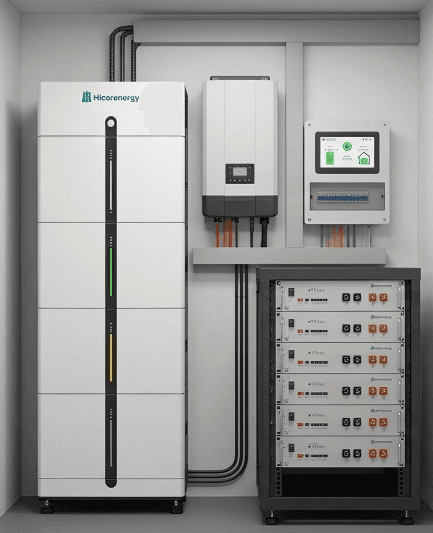
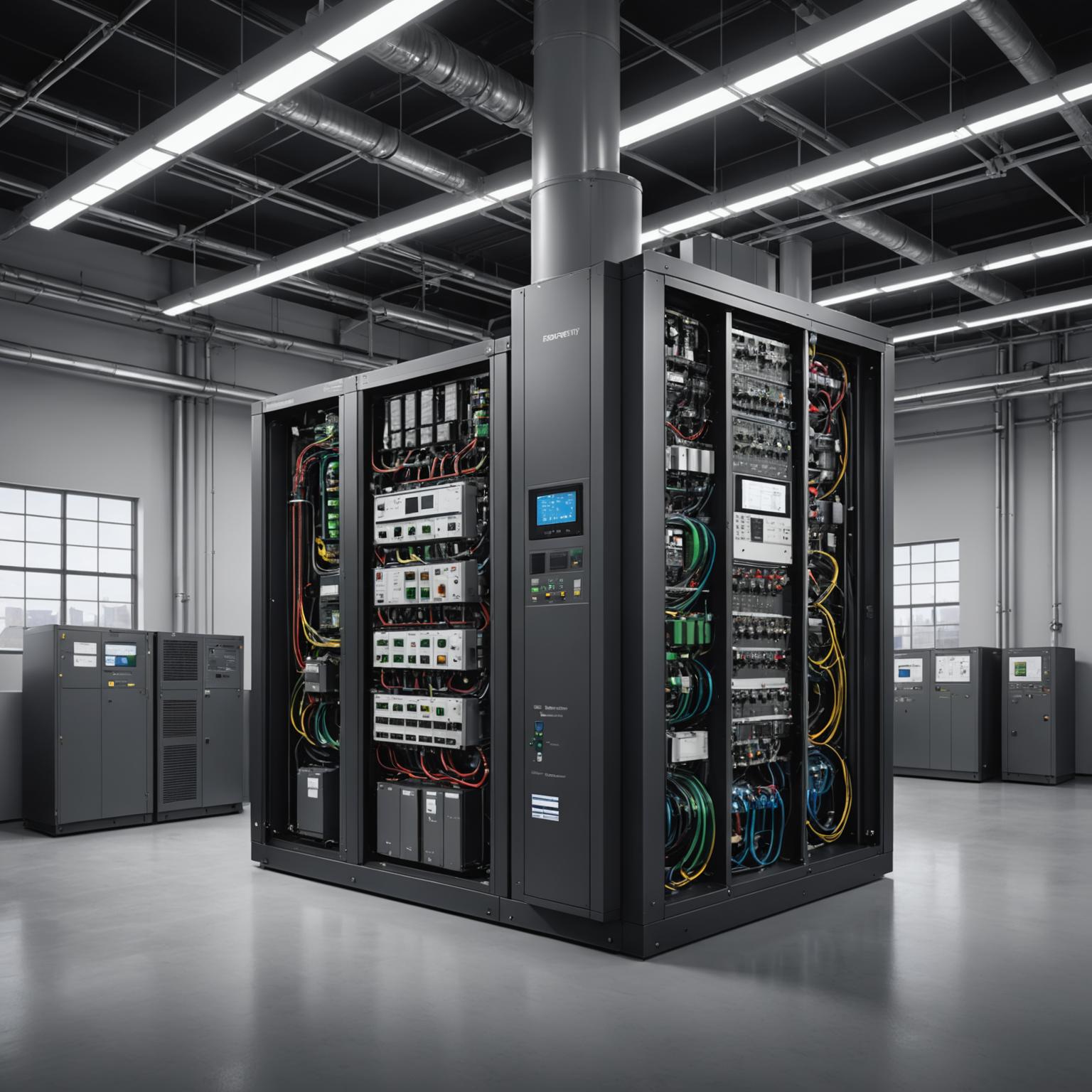
In today’s fast-evolving commercial and industrial sectors, businesses are increasingly prioritizing energy storage solutions that are reliable, easy to deploy, and scalable. The all-in-one ESS (Energy Storage System) is designed to meet these demands by integrating batteries, inverters, and energy management systems into a single compact unit.
By consolidating core components into one solution, businesses can accelerate renewable energy adoption, lower peak electricity expenses, and ensure uninterrupted operations without the complexity of managing multiple standalone devices.
Integrated Design Simplifies Deployment
Traditional energy storage projects typically require separate battery cabinets, inverters, and control systems. This fragmented approach often leads to longer installation timelines, higher labor costs, and increased risk of configuration errors.
An all-in-one ESS eliminates these challenges through a pre-engineered, factory-tested design. Businesses can deploy the system faster with minimal on-site integration work, making it particularly suitable for factories, office buildings, retail centers, and data centers.
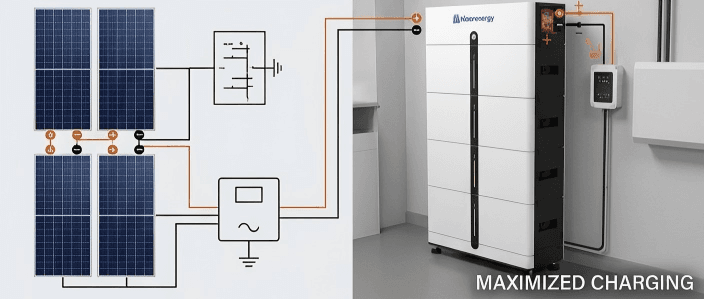
For example, a mid-sized manufacturing facility can install an all-in-one ESS within a single day and connect it directly to rooftop solar panels. This enables immediate backup power functionality and peak shaving, significantly improving operational resilience.
Hicorenergy’s Si Station 230 is an example of this integrated approach. This liquid-cooled battery cabinet offers a full configuration capacity of 230kWh and supports grid-tied and off-grid applications. With IP54 protection and modular architecture, it is engineered for demanding industrial environments requiring both flexibility and long-term stability.
Optimized Energy Management and Operational Flexibility
A major advantage of an all-in-one ESS lies in its integrated Energy Management System (EMS). Businesses can gain real-time visibility into energy consumption and make intelligent operational decisions.
Key benefits include:
-
Monitoring electricity usage patterns in real time
-
Storing excess solar or wind energy during off-peak periods
-
Dispatching stored energy during peak demand hours to reduce electricity costs
-
Managing backup power automatically during outages
For instance, a commercial office complex equipped with rooftop PV can store daytime solar energy and automatically power HVAC systems, lighting, and critical equipment after sunset. This reduces dependence on the utility grid while lowering monthly operating costs.
Smart remote monitoring capabilities further improve management efficiency. Users can access system performance data, receive fault alerts, and optimize charging/discharging strategies through web or mobile platforms.
Scalability Supports Business Growth
Energy requirements often evolve as businesses expand. A warehouse may add refrigeration units, a factory may introduce new production lines, or a charging station may see increased EV traffic.
The modular structure of all-in-one ESS systems allows companies to scale energy storage incrementally. Instead of replacing the entire infrastructure, businesses can simply add battery modules or parallel systems as demand grows.
This significantly reduces capital expenditure risks while preserving flexibility for future expansion.
Hicorenergy’s Si LV1 provides an excellent example of scalable design. Built with modular LFP battery technology, it supports flexible capacity expansion from 10.24kWh to 30.72kWh per stack and can scale to 122.88kWh. Its plug-and-play architecture simplifies installation, making it an ideal solution for businesses seeking scalable backup power and energy optimization.
High Reliability for Critical Applications
For many commercial and industrial users, power interruptions are unacceptable. Downtime can halt production, disrupt logistics, damage equipment, or interrupt digital services.
All-in-one ESS systems improve reliability through:
-
Built-in redundancy across battery modules and power electronics
-
Advanced thermal management systems
-
Intelligent battery protection via BMS
-
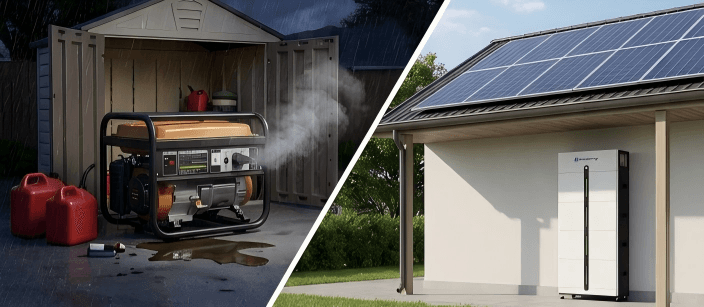
Seamless backup integration with grid and generator systems
For example, a data center utilizing an all-in-one ESS can maintain critical IT infrastructure during grid outages, ensuring service continuity and protecting sensitive hardware.
Liquid cooling and thermal regulation technologies are especially important in high-load environments. Stable operating temperatures improve battery efficiency, enhance safety, and extend overall system lifespan.
A Turnkey Solution from Installation to Long-Term Management
All-in-one ESS solutions are increasingly favored because they simplify the full project lifecycle—from deployment to maintenance.
Typical features include:
-
Pre-engineered compatibility with solar, wind, and utility grids
-
Factory-tested safety and compliance standards
-
Remote monitoring and firmware upgrades
-
Reduced on-site maintenance requirements
-
Long-term warranties and technical support
This turnkey approach allows EPC contractors, energy consultants, and facility managers to reduce project complexity while delivering reliable results to end users.
Instead of spending time coordinating multiple vendors and components, businesses can focus on core operations while benefiting from optimized energy management.
Conclusion
Hicorenergy provides advanced all-in-one ESS solutions such as Si Station 230 and Si LV1, combining scalability, safety, and intelligent energy management to support commercial and industrial energy storage needs worldwide.
Contact Us
Email: info@hicorpower.com
WhatsApp: +86 181-0666-3226