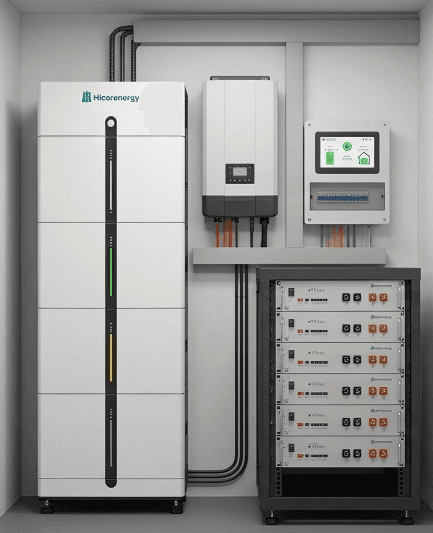
 The All-in-One Energy Storage System represents a groundbreaking leap in energy management, delivering a comprehensive solution tailored to modern energy demands. By integrating storage, management, and distribution into a single streamlined unit, this system meets a wide range of applications—from residential use to large-scale commercial operations. Leveraging cutting-edge technology, it answers the growing global need for reliable, sustainable, and efficient energy solutions.
Exploring Commercial ESS Applications: Powering Business with Intelligence and Resilience
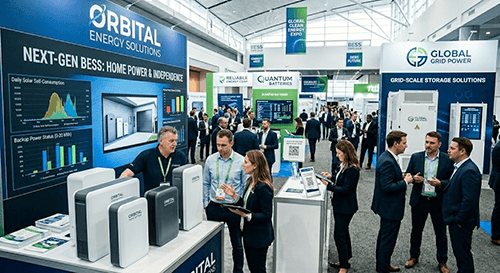
In the commercial sector, Energy Storage Systems (ESS) deliver enhanced energy availability through high-capacity storage and seamless integration with renewables. Commercial ESS solutions—often built on advanced lithium-ion battery technology—excel in storing surplus energy during peak production hours for deployment during high-demand intervals. This capability not only boosts operational efficiency but also significantly cuts costs linked to grid dependency. For example, in dynamic commercial environments, these systems adeptly manage fluctuating energy loads, ensuring an uninterrupted power supply and reduced operational downtime. Built with modular architecture, commercial ESS allows for easy scaling, while integrated safety mechanisms such as thermal management systems prevent overheating and guarantee long-term reliability.
Delving into Lithium-Ion Battery ESS Technology: The Engine Behind Modern Energy Storage
Lithium-ion battery ESS technology lies at the heart of all-in-one energy storage systems, offering high energy density and fast charge-discharge cycles that substantially enhance energy availability. These batteries utilize advanced electrolytes and cathode materials to deliver superior performance across both residential and commercial applications. In ESS for residential use, lithium-ion technology enables homeowners to store solar energy efficiently, slashing grid reliance and lowering electricity bills. Technically, these systems incorporate sophisticated battery management systems (BMS) that continuously monitor cell health, voltage, and temperature—extending battery lifespan while upholding strict safety standards. A standout feature is the modular design, which allows individual battery modules to be replaced without system-wide disruption, highlighting both adaptability and ease of maintenance.
Advantages of ESS for Residential Use: Smarter, Cleaner Home Energy
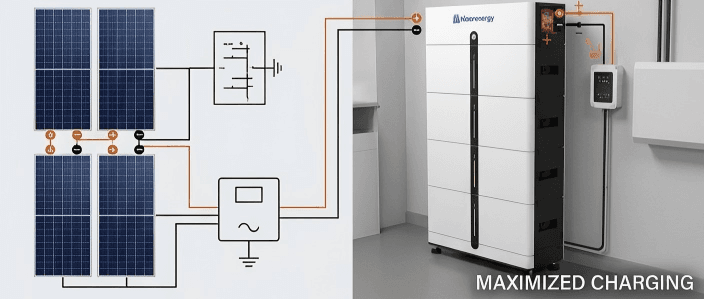
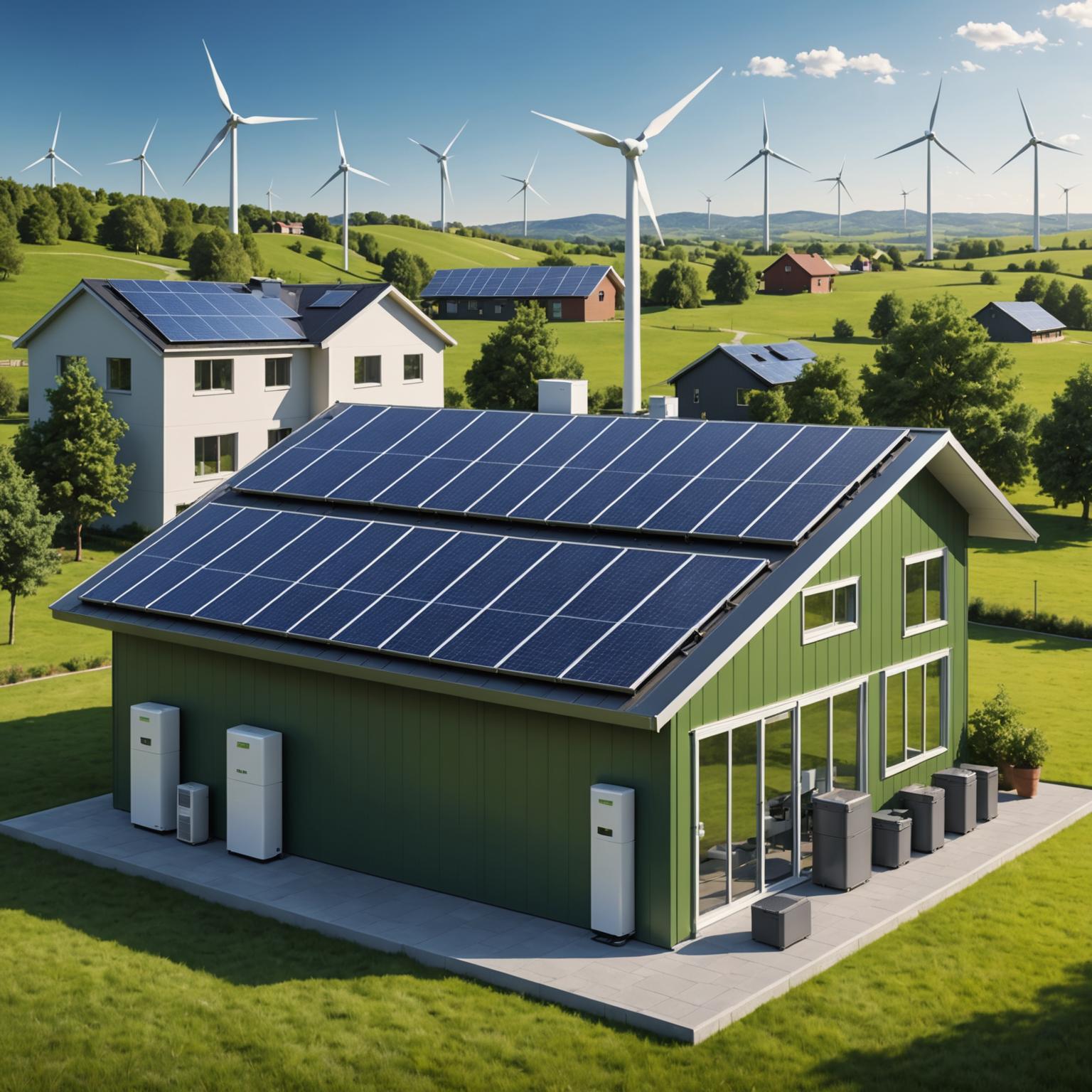
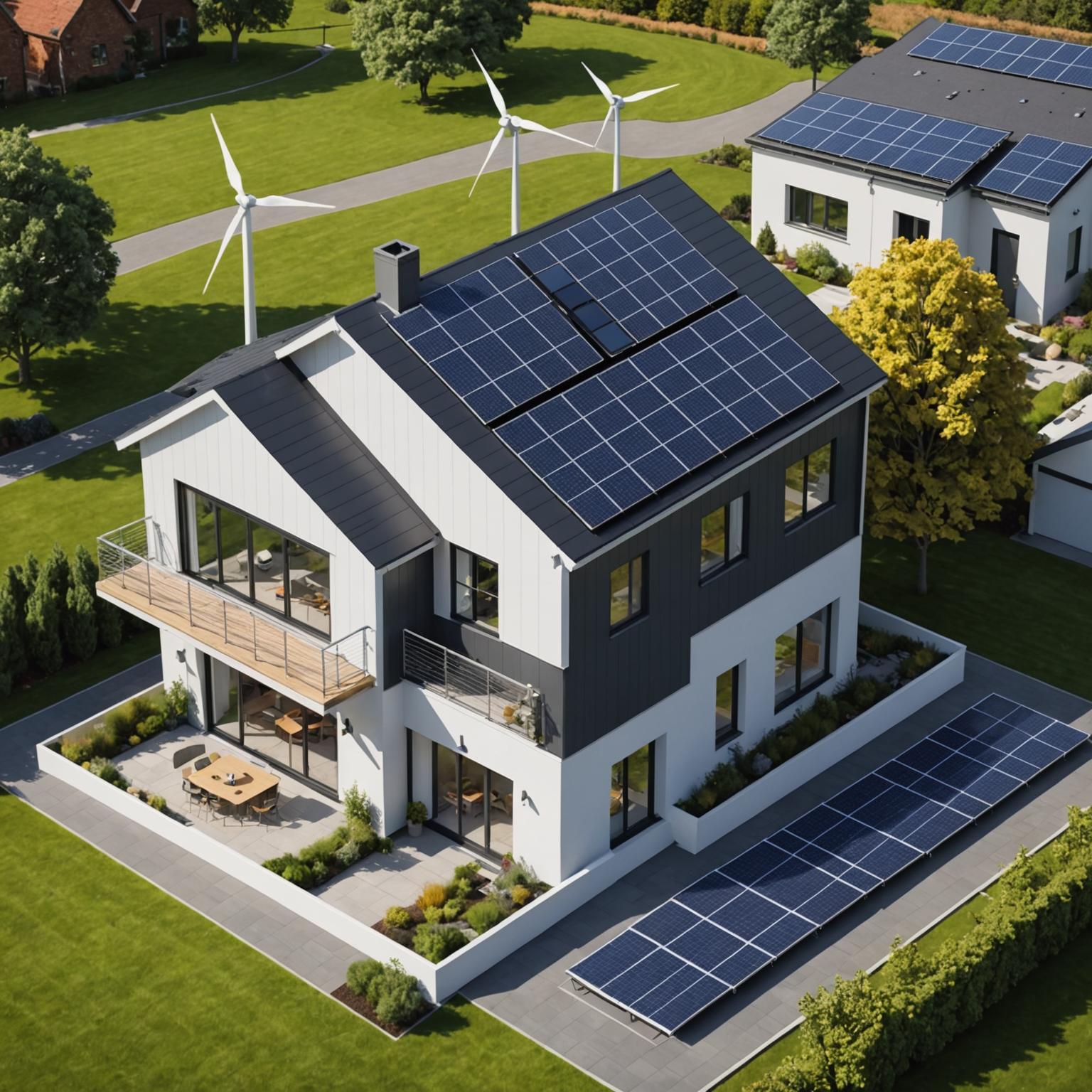
ESS for residential use brings enhanced energy availability directly to households, enabling seamless integration with rooftop solar and smart grid technology. This setup lets users store solar energy generated during the day for use at night—boosting energy independence and supporting a sustainable lifestyle. From a technical standpoint, these systems use advanced inverters and controllers to efficiently convert stored DC power into AC electricity for everyday home appliances. User-friendly monitoring interfaces—often accessible via mobile apps—deliver real-time energy usage data, empowering homeowners to optimize consumption. This intelligent control also enables peak shaving, where stored energy is used during high-cost tariff periods, leading to noticeable savings on electricity bills.
Enhancing Energy Availability with Integrated Storage Solutions
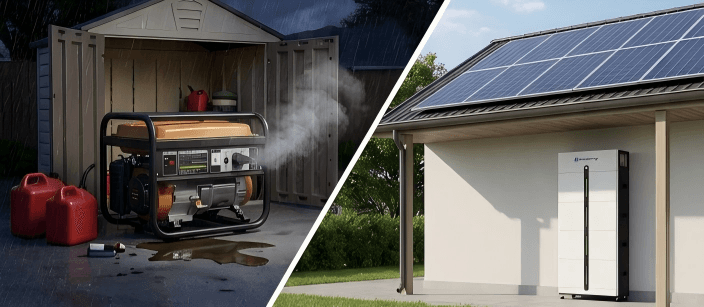
Enhanced energy availability stands as a defining benefit of all-in-one energy storage systems—especially when paired with solar, wind, or other renewable sources. Using intelligent algorithms, these systems forecast energy demand and optimize storage levels to maintain a consistent power supply, even during grid outages. Technically, this is achieved through advanced power electronics that support bidirectional energy flow, enabling both grid-tied and off-grid functionality. For commercial ESS users, this means stronger resilience against power fluctuations, while lithium-ion battery ESS delivers the durability required for frequent, high-cycle use. By prioritizing enhanced energy availability, these integrated systems play a vital role in building a sustainable energy ecosystem—reducing carbon emissions and supporting global progress toward a net-zero future. In summary, the versatility and technical sophistication of all-in-one energy storage systems make them indispensable for a cleaner, greener, and more resilient energy landscape across residential, commercial, and industrial sectors.
Join Hicorenergy in embracing solar battery storage and step confidently into a cleaner, greener tomorrow.
Contact us via Email: info@hicorpower.com or WhatsApp: +86 181-0666-3226.