As modern technology increasingly relies on high-capacity energy storage, the challenge of maintaining battery health and performance has become paramount. For many applications, the answer lies in a well-designed Air Cooling Battery System, a technology crucial for ensuring the longevity and safety of advanced power solutions. Without effective thermal management, even the most powerful batteries can suffer from degradation, reduced efficiency, and significant safety risks, making the choice of cooling system a critical decision for any energy storage setup.
Why Battery Temperature Management is Crucial
Lithium-ion batteries, the powerhouse behind everything from electric vehicles to residential energy storage units, are highly sensitive to their operating temperature. When a battery operates outside its ideal temperature range, typically between 15°C and 35°C, its internal chemical reactions are negatively affected. Excessive heat accelerates the degradation of battery components, leading to a permanent loss of capacity and a shortened lifespan. More alarmingly, uncontrolled high temperatures can trigger a dangerous condition known as thermal runaway, where a chain reaction can cause the battery to vent flammable gases or even catch fire. Therefore, implementing robust Lithium-ion Cooling Methods is not merely an optimization but a fundamental requirement for safe and reliable operation.
An Overview of Lithium-ion Cooling Methods
When it comes to managing battery temperature, engineers have several options at their disposal. The primary Lithium-ion Cooling Methods include liquid cooling, phase-change material (PCM) cooling, and air cooling. Liquid cooling is highly effective, using a coolant that circulates through pipes to draw heat away, but it adds complexity, weight, and cost, along with the potential risk of leaks. PCM cooling absorbs heat during phase transition but has limitations in sustained high-heat scenarios. In contrast, the Air Cooling Battery System stands out for its simplicity, reliability, and cost-effectiveness. It has become a proven and widely adopted solution for a vast range of applications, striking an excellent balance between performance and practicality.
How Does an Air Cooling Battery System Work?
An Air Cooling Battery System operates on a straightforward principle: using air to transfer heat away from the battery cells. This can be achieved through two primary approaches. Passive air cooling relies on natural convection, where heat dissipates from the battery pack into the surrounding air, often aided by heat sinks and strategically placed vents. This method is simple and silent but is best suited for lower-power applications. For more demanding systems, active air cooling is employed. This involves using fans or blowers to force a controlled stream of ambient or conditioned air through the battery pack, significantly increasing the rate of heat removal. The design is engineered to ensure uniform airflow across all cells, preventing localized hot spots and maintaining a consistent temperature throughout the entire module.
The Benefits of Air Cooling for Your Power Solutions
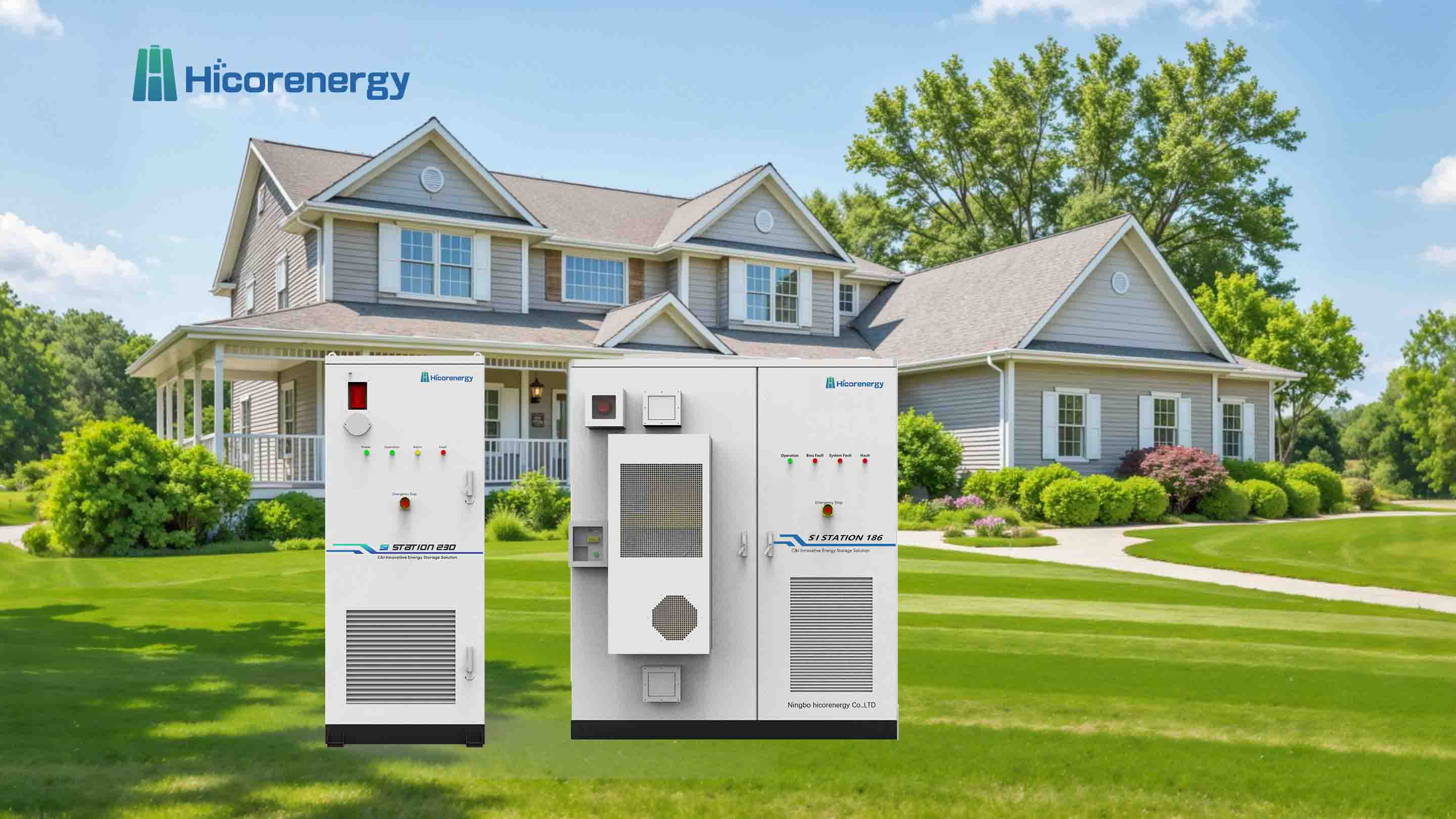
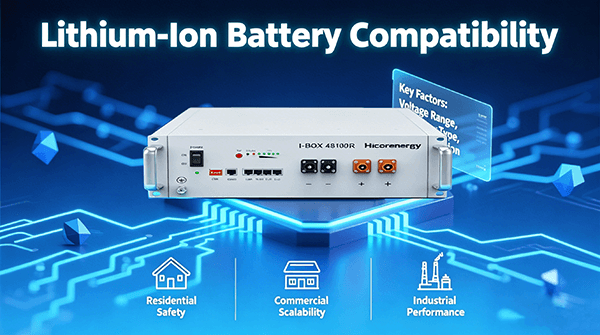
The primary advantages of adopting an air-based thermal management strategy are its reliability and low maintenance. With fewer moving parts than a liquid system and no complex plumbing, there are fewer potential points of failure, ensuring consistent performance over the long term. This simplicity also translates to lower manufacturing and operational costs, making advanced energy storage more accessible. For versatile products like the modular and scalable battery units from Hicorenery, an efficient air cooling design ensures that each component, from the compact I-BOX 48100R to the powerful Si Station 230, operates within its optimal temperature window, maximizing both its performance and its service life. This approach guarantees that the energy solution is not only powerful but also dependable and safe for residential or commercial use.
Choosing the Right Cooling Strategy for Longevity
Ultimately, selecting the appropriate thermal management system is a critical factor in the overall success of an energy storage project. While different scenarios may call for different approaches, the inherent reliability and efficiency of an Air Cooling Battery System make it an ideal choice for a wide array of stationary power applications. It provides the necessary protection against thermal degradation without introducing unnecessary complexity or cost. By prioritizing effective thermal management, users can unlock the full potential of their battery systems, ensuring they receive a durable, safe, and high-performing energy solution that will stand the test of time.