 A 10 kWh battery is one of the most popular choices for home battery backup, but it is not always the best fit for every household. This article explains what a 10 kW home battery is, compares it with other storage options, and analyzes cost, performance, and backup needs to help homeowners choose the right battery size for reliable power outage backup power and long-term value.
What Is a 10 kW Home Battery? Understanding Capacity and Power
A 10 kW home battery usually refers to a 10 kWh battery, which measures how much energy the system can store rather than how fast it delivers power. In practical terms, a 10 kWh battery stores enough electricity to supply essential household loads during a power outage. Many homeowners ask, “What can a 10 kWh battery run?” The answer depends on usage, but it can typically power lights, Wi-Fi, refrigerators, TVs, and selected outlets for 8–24 hours.
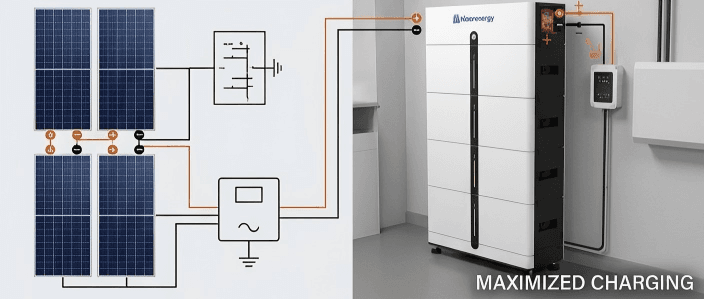
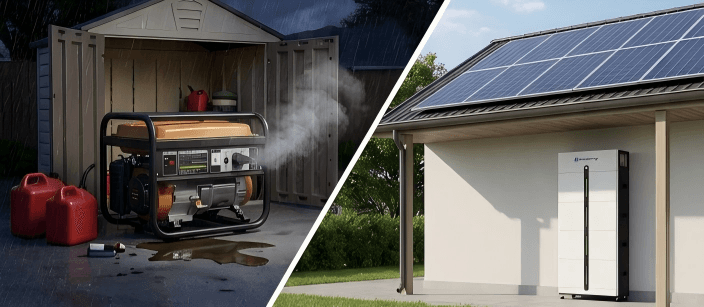
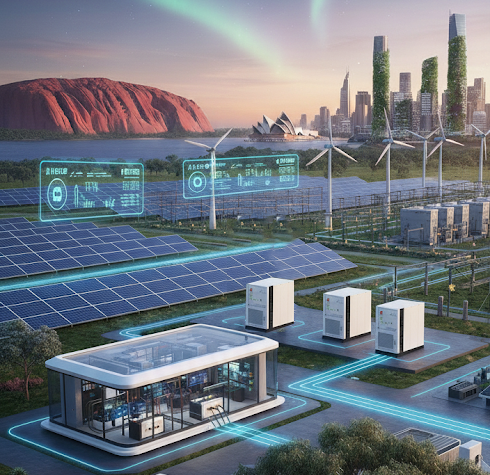
As a home battery backup, a 10 kWh battery works especially well when paired with solar panels. During the day, solar energy charges the battery, and at night or during grid failures, the stored energy provides power outage backup power. Compared with smaller batteries, a 10 kWh battery offers better flexibility, while still being compact and cost-effective for residential installations.
Comparing Top Home Energy Storage Alternatives: Lithium-ion, Lead-acid, and Flow Batteries
Not all home battery backup systems are the same. Lithium-ion batteries, including most 10 kWh battery systems, dominate the market due to high efficiency, long lifespan, and compact design. Lead-acid batteries are cheaper upfront but have shorter lifespans and lower usable capacity. Flow batteries offer long cycle life but remain expensive and bulky. Understanding these differences helps homeowners compare solar battery cost, performance, and scalability before choosing a 10 kWh battery or another option that fits their energy goals.
Key Factors to Determine the Best Home Battery Size for Your Energy Needs
Choosing the right battery size starts with understanding your daily energy consumption and backup priorities. If your main goal is power outage backup power for essentials, a 10 kWh battery is often sufficient. It can handle critical loads without overspending on unnecessary capacity. However, homes with high electricity usage, electric heating, or multiple air conditioners may require more than one 10 kWh battery.
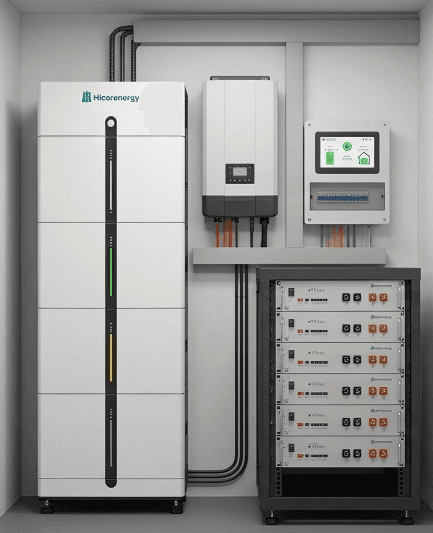
Solar integration is another key factor. With rooftop solar, a 10 kWh battery can store excess daytime generation and improve self-consumption. Products like Hicorenergy’s SI LV1 and iBox48100R are modular, allowing homeowners to start with a single 10 kWh battery and expand later. This flexibility ensures the home battery backup system grows with changing energy needs.
Cost-Benefit Analysis: 10 kW Battery vs. Other Storage Solutions for Home Use
When evaluating solar battery cost, a 10 kWh battery often delivers the best balance between affordability and performance. Smaller batteries may be cheaper but provide limited backup time, while larger systems significantly increase upfront investment. Over time, lithium-ion 10 kWh battery systems offer better value due to higher efficiency, longer lifespan, and lower maintenance.
Compared with lead-acid alternatives, a 10 kWh battery has higher usable capacity and lower replacement costs in the long run. Modular lithium solutions like Hicorenergy’s iBox48100R allow staged investments, reducing financial pressure while ensuring reliable home battery backup. For most households, the cost-benefit ratio strongly favors a modern 10 kWh battery system.
Why Choose Hicorenergy
Hicorenergy offers safe, scalable, and high-efficiency home battery backup solutions such as SI LV1 and iBox100R. Designed for solar integration and long-term reliability, these systems help homeowners optimize energy use and secure dependable power outage backup power.
For further information or technical support, please contact
Email: info@hicorpower.com
WhatsApp: +86 181-0666-3226