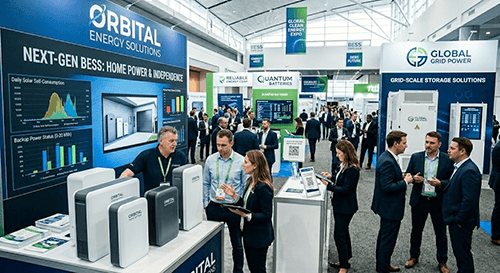
Choosing the right Energy Storage Solution helps businesses reduce electricity costs, improve power reliability, and plan long-term energy strategies. This guide explains why commercial energy storage systems are essential, compares major industrial battery storage technologies, and provides clear decision criteria and implementation steps for business energy storage deployment.
 Why Your Business Should Consider Commercial Energy Storage Systems Now?
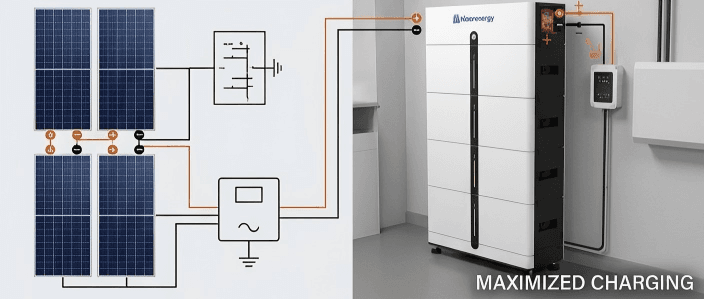
As energy prices rise and grid instability increases, more companies are turning to an Energy Storage Solution to stabilize operations and reduce business electricity costs. A commercial energy storage system offers peak-shaving, backup power, and long-term savings through smart energy management solutions. Modern lithium-ion battery storage products deliver high efficiency, long cycle life, and scalable capacity, making large-scale commercial energy storage more accessible than ever. For businesses operating in manufacturing, logistics, retail, or data-intensive sectors, industrial battery storage can significantly improve operational resilience and reduce downtime. Investing now helps companies gain a strong energy storage ROI as energy markets continue to evolve.
Comparative Analysis of Four Major Industrial Battery Storage Technologies
When evaluating industrial battery storage, businesses typically compare four options: lithium-ion, lead-acid, flow batteries, and sodium-based systems. Lithium-ion remains the leading Energy Storage Solution due to efficiency and cost performance, while flow batteries excel in long-duration applications. This energy storage technology comparison helps businesses match systems to their operational needs and plan smarter energy storage cost analysis.
Key Decision Factors: How to Assess the Scale and ROI of a Business Energy Storage System?
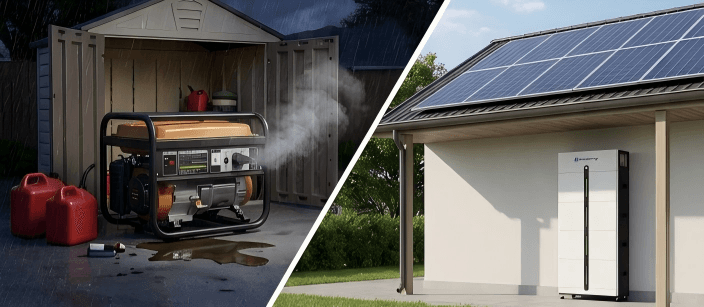
Choosing the right Energy Storage Solution depends on aligning your commercial & industrial energy storage scale with your operational goals. Key considerations include load profile, peak demand charges, expected cycle frequency, and required backup duration. Businesses should also calculate potential savings from peak-shaving, load shifting, and reduced reliance on diesel generators. A strong energy storage ROI comes from selecting a system with high efficiency, long battery cycle life, and smart energy management software.
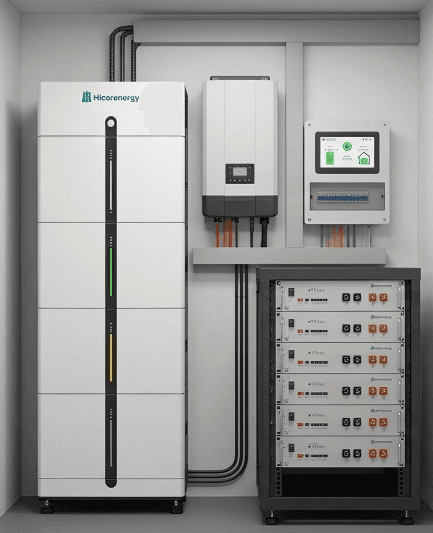
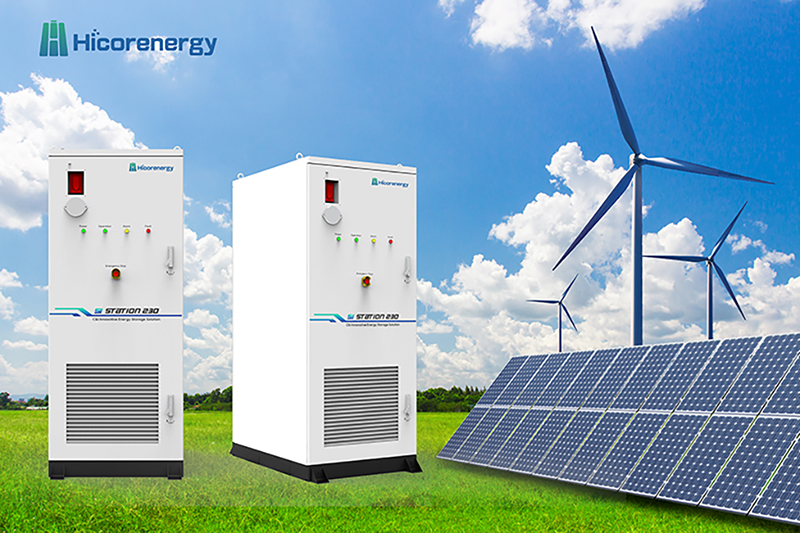
For companies seeking reliable and scalable solutions, Hicorenergy offers industrial-grade storage products such as the SHV48100 and Si Station series, designed for large-scale commercial energy storage needs. These systems support high-power charging and discharging, modular expansion, and advanced communication protocols—making them ideal for factories, telecom sites, retail chains, and energy-intensive businesses. Conducting a complete energy storage cost analysis before purchase ensures the chosen system meets both performance and financial objectives.
Implementation Steps and Considerations: A Guide to Deploying Energy Storage from Selection to Installation
Successful business energy storage deployment requires a structured approach. Start with an on-site energy audit to assess load patterns, backup requirements, and peak consumption periods. Then identify an Energy Storage Solution sized correctly for your facility, considering battery chemistry, inverter compatibility, and environmental conditions. The next step involves engineering design, safety certification, and selecting trusted suppliers.
During energy storage system installation, ensure proper ventilation, fire-safety compliance, and seamless integration with existing electrical infrastructure. Advanced systems, such as Hicorenergy’s I-BOX 48100R or Si LV1, come with smart BMS functions, remote monitoring, and easier maintenance—reducing operational risks. After installation, implement energy management solutions to optimize charging, discharging, and energy arbitrage strategies for maximum savings.
Conclusion
Choosing the right Energy Storage Solution helps businesses cut electricity costs and strengthen power reliability. Hicorenergy’s SHV48100 and Si Station series deliver safe, scalable, and efficient commercial energy storage systems designed to meet modern operational demands.
In summary proper energy storage battery maintenance ensures performance, safety, and long product life, with Hicorenergy offering dependable lithium-ion solutions for residential and C&I applications.
Contact: info@hicorpower.com | WhatsApp: +86 181-0666-3226