 Home Battery Safety is critical when storing lithium-ion batteries at home, especially for home solar storage systems. This guide explains common storage mistakes, proven safety practices, and long-term lithium-ion battery storage tips. By following these steps, homeowners can reduce fire risks, extend battery lifespan, and protect their investment in home energy storage systems.
5 Critical Mistakes to Avoid When Storing Lithium Batteries at Home
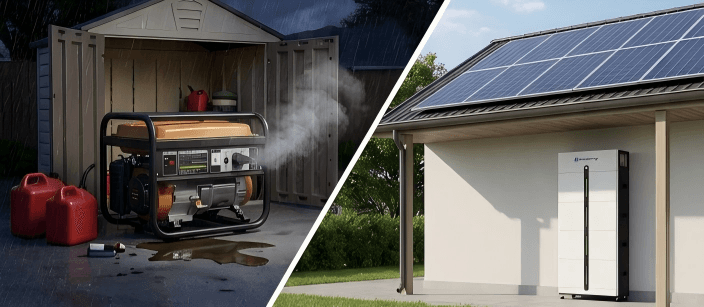
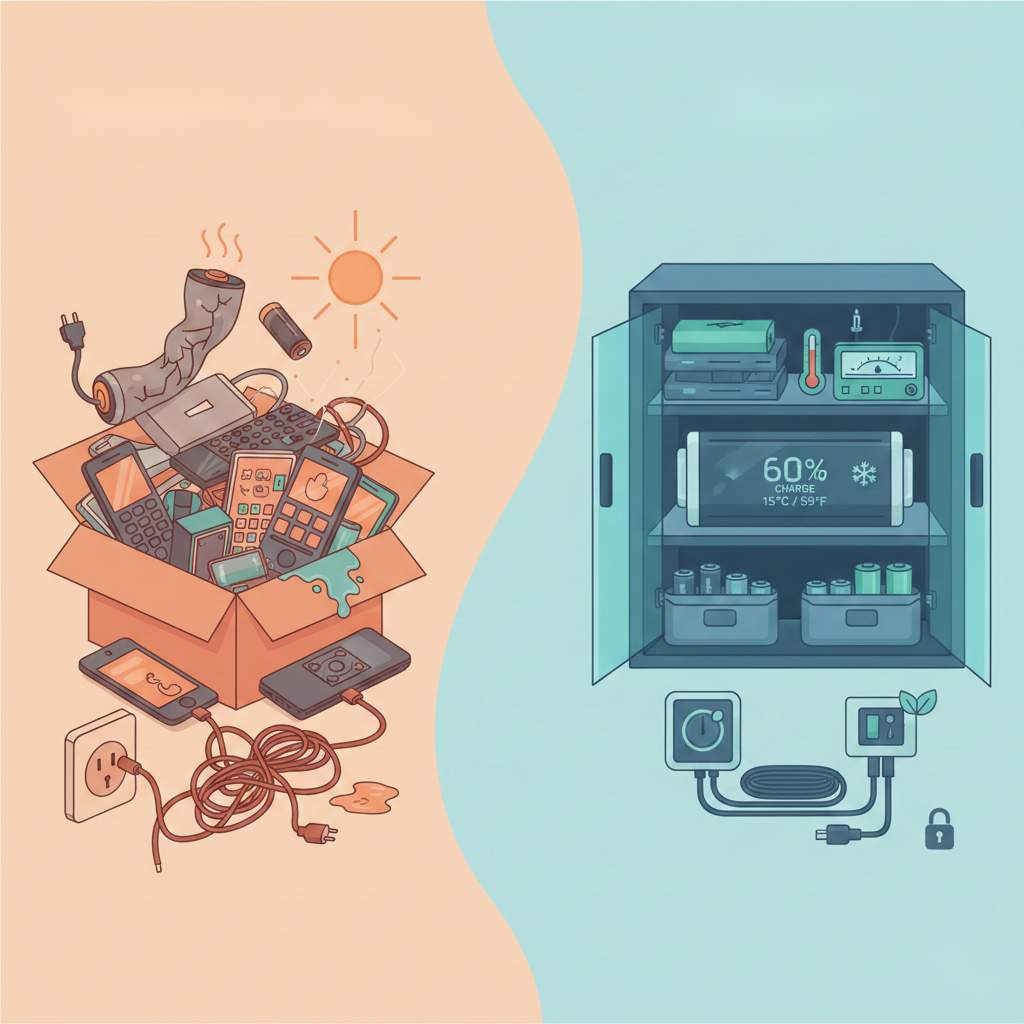
Many Home Battery Safety incidents stem from avoidable errors. The most common mistake when storing lithium batteries is keeping them fully charged or completely drained for long periods, which accelerates capacity loss. Another frequent issue is storing batteries in hot garages or unventilated spaces, where temperatures exceed safe limits. Physical damage, such as stacking batteries improperly or exposing them to moisture, is also a major risk factor. Poor insulation and ignoring manufacturer guidelines further increase the chance of thermal runaway. Finally, failing to inspect batteries periodically can allow minor issues to escalate into serious safety hazards. Avoiding these five mistakes significantly improves Lithium-Ion Battery Storage safety and supports reliable long-term battery storage at home.
The Ultimate Step-by-Step Guide to Preparing Your Battery for Storage
Before placing any battery into long-term storage, proper preparation is essential for Home Battery Safety. Start by powering down the system correctly and disconnecting it from solar inverters or loads. Clean the battery casing to remove dust and moisture, then adjust the charge level to the recommended range. These steps not only improve Lithium-Ion Battery Storage performance but also reduce safety risks. Keep reading to learn exactly how temperature, charge level, and maintenance routines protect your home solar storage system over time.
Ideal Storage Conditions: Temperature, Charge Level, and Environment Explained
Creating the right storage environment is the foundation of Home Battery Safety. Industry data shows lithium-ion batteries stored at 15–25°C can retain up to 90% capacity after one year, while those stored above 35°C may lose more than 20% capacity in the same period.
Recommended Storage Parameters (Industry Reference):
| Factor | Recommended Range | Risk if Ignored |
|---|---|---|
| Temperature | 15–25°C | Faster degradation, fire risk |
| Charge Level | 40–60% | Swelling or deep discharge |
| Humidity | <60% RH | Corrosion, insulation failure |
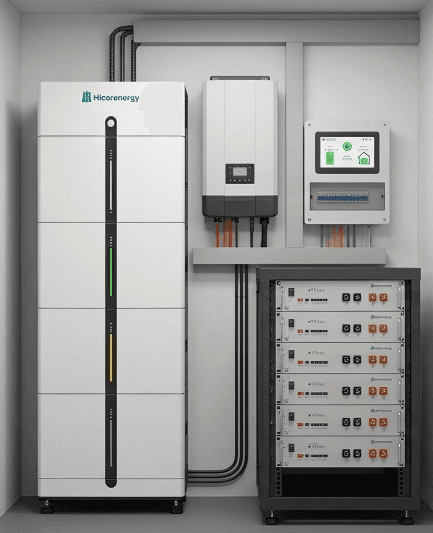
For home solar storage, choose a dry, shaded, and well-ventilated indoor space. Avoid basements prone to flooding or garages with extreme heat. Hicorenergy’s residential energy storage systems are designed with integrated battery management systems (BMS) that help maintain safe voltage and temperature ranges, supporting safer long-term battery storage when installed correctly.
Long-Term Maintenance and Safety Checks for Your Stored Batteries
Long-Term Battery Storage does not mean “set and forget.” For optimal Home Battery Safety, inspect stored lithium batteries every three to six months. Check for swelling, unusual odors, or corrosion around terminals. Measure the state of charge and recharge gently if it drops below recommended levels. According to industry safety reports, regular inspections can reduce battery-related incidents by up to 60%.
For home solar storage users, keeping firmware and BMS software updated is equally important. Hicorenergy batteries integrate advanced monitoring features that alert users to abnormal temperature or voltage conditions, enhancing Lithium-Ion Battery Storage safety over extended periods. Consistent maintenance ensures reliability, safety, and longer service life.
Hicorenergy Home Battery Solutions for Safer Storage
Hicorenergy provides reliable home solar storage solutions designed with safety-first engineering, advanced BMS protection, and long service life. Our lithium-ion batteries support safer long-term battery storage for residential users worldwide.
For professional support in selecting the right batteries needed for your project, contact us at Email: info@hicorpower.com or WhatsApp: +86 181-0666-3226.