 Australia’s power bills are rising faster than inflation, pushing homeowners to look for smarter energy solutions. This guide explains why battery backup systems matter in 2026, how solar-plus-storage cuts electricity costs, what rebates improve ROI, and which battery options offer the best value—helping Australian households protect their budgets and energy security.
The 2026 Australian Power Bill Crisis: Why Your Home Needs a Battery Backup System Now
Australian households are facing a perfect storm in 2026: higher wholesale electricity prices, grid instability, and increased demand from electrification and extreme weather. Even with rooftop solar, many homeowners still rely heavily on the grid during evenings—when electricity rates are highest. This mismatch is driving power bills upward despite solar adoption.
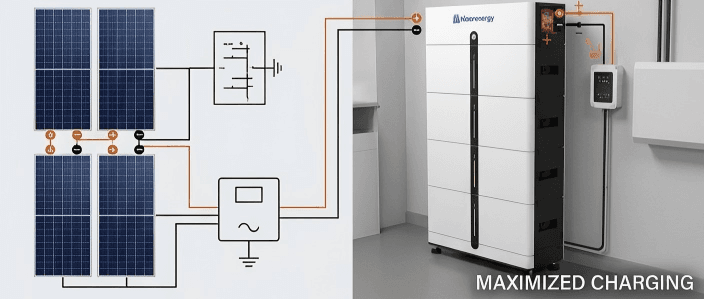
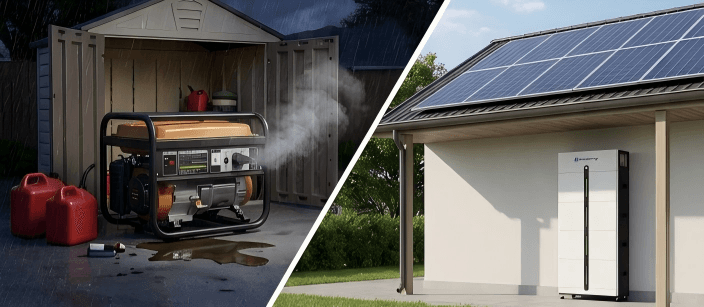
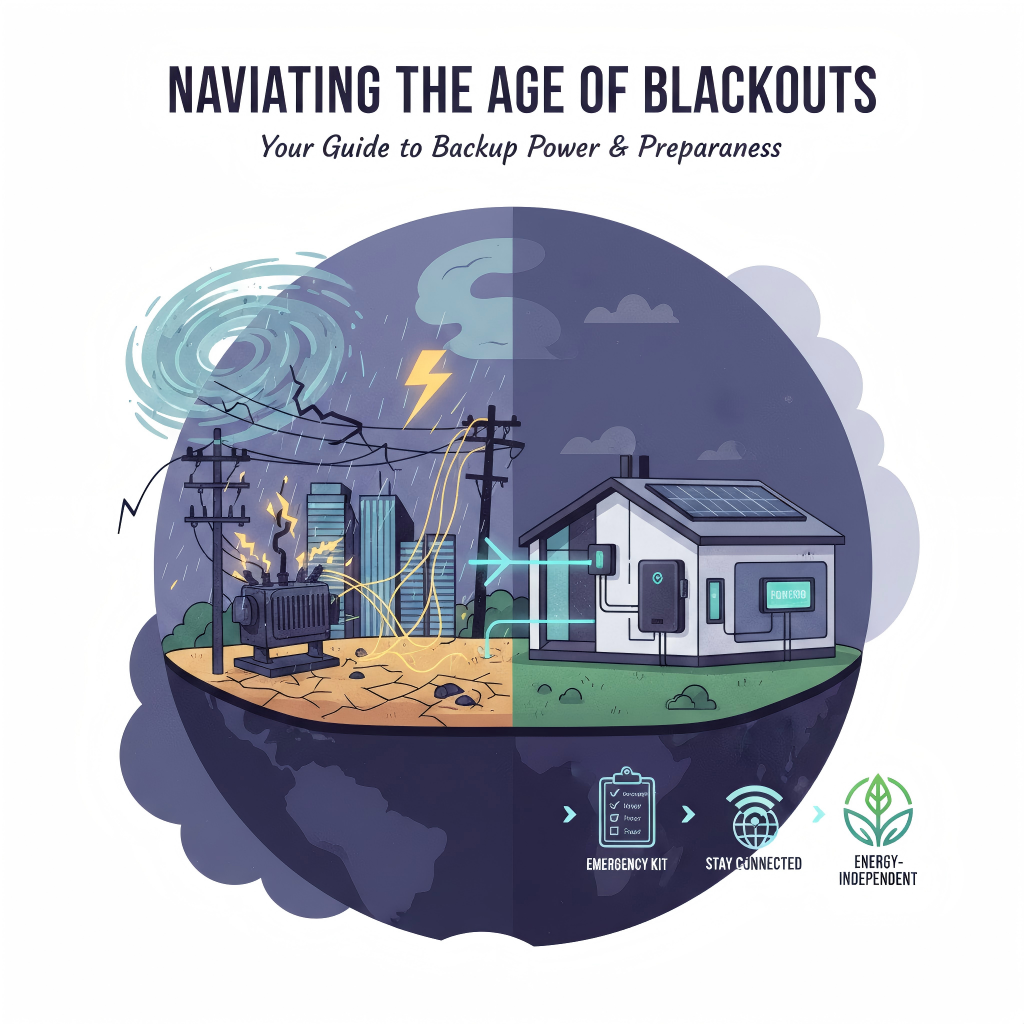
A home battery backup system solves this problem by storing excess solar energy during the day and using it at night. Instead of exporting cheap power to the grid and buying it back at premium rates, homeowners regain control of their energy use. Batteries also protect against blackouts, which are becoming more frequent across several Australian states due to grid congestion and weather-related disruptions. In 2026, battery storage is no longer a luxury—it’s a financial and resilience-driven necessity.
Top Home Battery Brands in Australia for 2026: Which Offers the Best Value?
Not all home batteries deliver the same value. Australian homeowners must consider usable capacity, lifespan, safety standards, scalability, and compatibility with solar inverters. Some brands focus on premium pricing, while others emphasize flexibility and long-term cost savings. Understanding these differences helps homeowners avoid overpaying for features they don’t need. In the next sections, we’ll break down how solar-plus-battery systems maximize savings and how rebates dramatically improve return on investment—two key factors when choosing the right battery solution.
Solar + Battery Storage: How to Maximize Your Savings on Australian Electricity Bills in 2026
Combining solar panels with battery storage is the most effective way to reduce electricity bills in Australia in 2026. Solar alone only offsets daytime usage, while batteries allow households to store surplus energy for evening and peak-rate periods. This reduces reliance on grid electricity, which is often two to three times more expensive at night.
Time-of-use tariffs make batteries even more valuable. By discharging stored energy during peak pricing hours, homeowners can avoid the most expensive electricity rates entirely. Advanced battery systems also support smart energy management, automatically prioritizing self-consumption and backup power. Over time, this leads to predictable energy costs, lower bills, and greater independence from future price hikes—making solar-plus-storage a long-term financial strategy, not just an energy upgrade.
Government Rebates and ROI: Analyzing the Cost-Effectiveness of Home Batteries in 2026
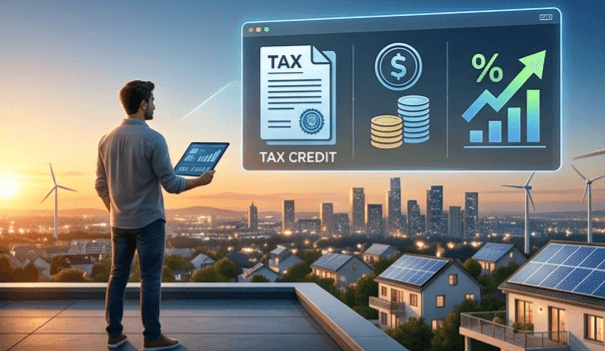
Government incentives play a critical role in improving battery affordability in Australia. In 2026, state-level rebates, low-interest loans, and virtual power plant (VPP) programs significantly reduce upfront costs. These incentives shorten payback periods and increase overall return on investment.
When combined with rising electricity prices, batteries often achieve ROI within 5–8 years, depending on usage patterns and system size. Homes with high evening consumption or frequent outages see even faster returns. Importantly, battery systems also increase property value and future-proof homes against ongoing energy market volatility. With incentives still available, 2026 remains a strategic window for Australian homeowners to invest in battery storage.
Why Hicorenergy Is a Smart Choice for Home Battery Storage
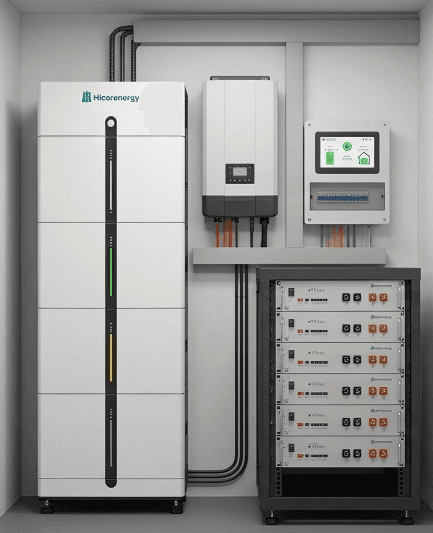
Hicorenergy provides safe, scalable, and cost-effective home battery solutions designed for modern households. Our systems deliver high efficiency, long cycle life, and seamless solar integration—helping homeowners reduce power bills while improving energy independence.
Contact Information:
Email: info@hicorpower.com
WhatsApp: +86 181-0666-3226