Wall-mounted Batteries: Compact Energy Storage for the Modern Market
HomeBlogWall-mounted Batteries: Compact Energy Storage for the Modern Market

Wall-mounted Batteries: Compact Energy Storage for the Modern Market

  • News
Posted by Hicorenergy On Aug 08 2025

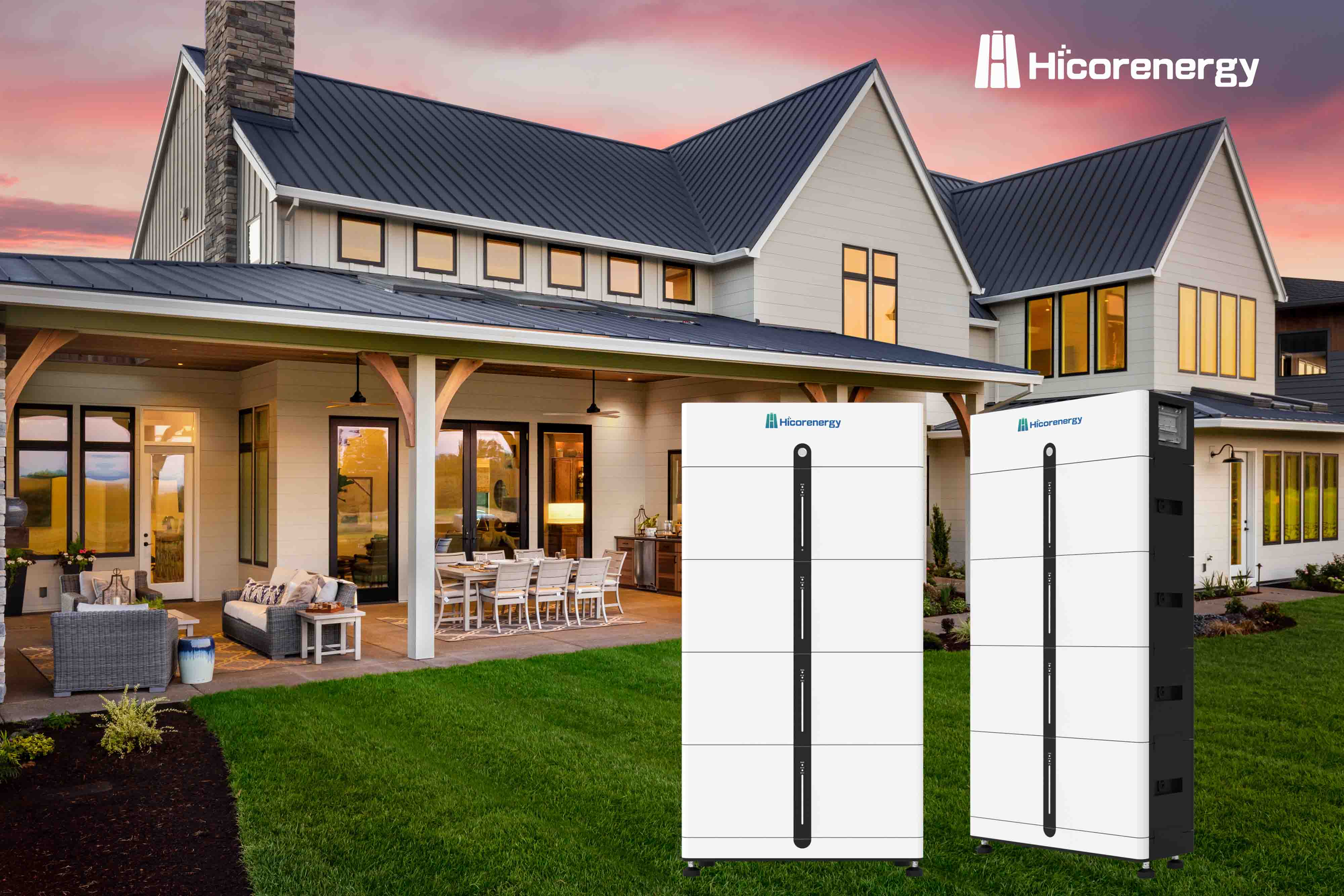
A wall-mounted lithium battery installed in a modern home energy storage setup

Wall-mounted Batteries: Compact Energy Storage for the Modern Market

Space has always been a limiting factor in residential and light-commercial energy projects. As solar adoption accelerates and energy resilience becomes a priority, wall-mounted batteries are emerging as a practical, space-saving solution—without sacrificing performance or safety.

For EPC contractors, solar installers, and OEM distribution partners, the format offers a versatile product that aligns with both urban and off-grid market needs.

Why Wall-mounted Batteries Are Gaining Market Share

The wall-mounted form factor solves three persistent challenges in residential and small-business storage:

  1. Space Constraints – Particularly in urban homes or compact commercial sites, wall-mounting frees up floor area and avoids equipment crowding.

  2. Installation Efficiency – Units arrive pre-configured for mounting, with integrated brackets and simplified cabling, reducing on-site labor hours.

  3. Visual Integration – Discreet designs blend with utility rooms, garages, or interior walls—an increasingly important factor in homeowner decisions.

According to SolarPower Europe’s 2024 report, compact residential storage solutions are expected to see double-digit growth annually as consumers demand cleaner installations and multipurpose spaces.

Use Cases

Through our partnerships with EPCs, distributors, and solar kit manufacturers, we’ve seen wall-mounted batteries succeed in:

  • Urban rooftop solar retrofits – Where equipment rooms are small and high-voltage cabinets are impractical.

  • Premium smart home builds – Combining aesthetics with advanced energy monitoring.

  • Commercial backup corners – Providing essential load coverage without floor obstruction in retail or office spaces.

  • Telecom shelters and micro-sites – Mounted to keep sensitive equipment clear of dust and flooding risk.

What Installers and Buyers Should Evaluate

When sourcing a wall-mounted battery system, B2B buyers often prioritise:

  • Voltage & Capacity Range – Wall units typically fall within 48V systems for safety and compatibility, with capacities from 5kWh to 30kWh.

  • Thermal Management – Passive cooling design and safe LiFePO4 chemistry extend service life in varied climates.

  • Mounting Hardware – Pre-certified brackets that meet local building and seismic codes.

  • Inverter Integration – Plug-and-play compatibility with major hybrid inverter brands reduces on-site troubleshooting.

  • Maintenance Access – Front-facing ports and clear BMS interfaces simplify service calls.

Deployment Tips for Channel Partners

  • Target High-density Markets – Apartment complexes, townhouses, and commercial corridors benefit most from wall-mount installations.

  • Bundle with Solar Kits – Offering a combined inverter + battery + panel kit simplifies sales and logistics.

  • Promote Safety Certification – Homeowners and commercial clients are increasingly asking about UN38.3, CE, and IEC compliance before purchase.

  • Train Installers on Wall Prep – Correct load-bearing checks and bracket alignment prevent long-term issues.

Wall-mounted, High Impact: A Strategic Growth Segment

In the next three years, wall-mounted batteries will continue to gain traction in residential storage markets—not as a niche, but as a core product type for installers and OEM suppliers.

Their compact form, ease of installation, and adaptability to different energy scenarios make them a channel-friendly, high-turnover product that aligns with current distribution trends.

For distributors building a diversified product portfolio, adding wall-mounted systems alongside floor-standing and cabinet models ensures better coverage of both high-density and suburban market segments.

Explore Hicorenergy’s wall-mounted battery systems or connect with our team to discuss technical specs, OEM options, or project-based supply.
Categories

Featured Blogs

Tags:

Share On

Contact us

Get in touch with us for more information about our products and services

Phone
By submitting, you agree to ourPrivacy Policy

Featured Blogs

Why Does Battery Power Measurement Matter for Optimizing Solar Storage Performance?

Why Does Battery Power Measurement Matter for Optimizing Solar Storage Performance?

1.How Accurate Power Measurement Maximizes Solar Self-Consumption and ROI 2.Key Metrics to Monitor: State of Charge, State of Health, and Round-Trip Efficiency 3.Essential Tools for Solar Battery Monitoring: From BMS Data to IoT Platforms? 4.Common Measurement Mistakes That Reduce Solar Storage Efficiency?

Read More
Why Does Lithium-Ion Dominate Industrial Energy Storage Solutions Over Flywheels and Flow Batteries?

Why Does Lithium-Ion Dominate Industrial Energy Storage Solutions Over Flywheels and Flow Batteries?

1.Lithium-Ion Batteries: The Market Leader in Industrial Energy Storage 2.Comparing Industrial Applications: When to Choose Lithium-Ion vs. Flywheels vs. Flow Batteries 3.Safety and Lifespan: How Lithium-Ion Stacks Up Against Flywheels and Flow Batteries 4.The Future of Industrial Storage: Lithium-Ion Advancements and Hybrid System Integration

Read More
Understanding Battery Cycles and Depth of Discharge (DOD): A Guide for Distributors and Installers

Understanding Battery Cycles and Depth of Discharge (DOD): A Guide for Distributors and Installers

1.What Is a Complete Cycle in Energy Storage? 2.Depth of Discharge (DOD) and Its Role in Battery Life 3.Partial vs. Complete Cycles: What’s the Difference? 4.How Battery Cycles Impact Warranty and Service Life 5.Maximizing Battery Lifespan: Tips for Reducing the Depth of Discharge 6.Where to Buy Reliable Energy Storage Systems for Distributors and Installers

Read More
Can Hicorenergy Batteries Be Connected in Series for Higher Voltage? A Guide for Distributors and Installers

Can Hicorenergy Batteries Be Connected in Series for Higher Voltage? A Guide for Distributors and Installers

1.Understanding Hicorenergy Batteries: Features and Specifications 2.Benefits of Connecting Batteries in Series for Higher Voltage 3.How to Safely Connect Hicorenergy Batteries in Series 4.Voltage Requirements and Compatibility for Series Connections 5.Potential Risks and Safety Considerations When Connecting in Series 6.Where to Buy Hicorenergy Batteries for Distributors and Installers

Read More
Are Wall Mount Batteries Safe? Answering 5 Common Homeowner Questions

Are Wall Mount Batteries Safe? Answering 5 Common Homeowner Questions

1.What Are the Primary Safety Standards for Wall Mount Batteries? 2.Can a Wall Mount Battery Overheat or Cause a Fire? 3.Is It Safe to Install a Wall-Mounted Battery Indoors? 4.How Do Modern Batteries Prevent Electrical Hazards? 5.Final Verdict: Balancing Safety with Home Energy Independence

Read More
What Does the Regulator’s Crucial Warning Reveal About the Sigenergy Plug Incident for Distributors and Installers?

What Does the Regulator’s Crucial Warning Reveal About the Sigenergy Plug Incident for Distributors and Installers?

1.Incident Analysis: What Happened with the Sigenergy Melted Plugs? 2.Regulator's Key Findings and Mandatory Safety Directives 3.Supply Chain Vigilance: How Distributors Can Mitigate Component Risk 4.Installer Checklist: Verifying Product Compliance and Safe Installation Practices 5.Beyond the Recall: Building Long-Term Trust in Energy Storage Brands 6.Proactive Risk Management: Resources for Staying Ahead of Safety Standards

Read More
attitude

It's All About Attitude!