The Pivotal Role of Lithium-Ion Battery Storage in Modern Energy
The contemporary world heavily relies on consistent and accessible power, making advanced lithium-ion battery storage a cornerstone of modern energy infrastructure. This technology is not just about storing electricity; it's about ensuring reliability, enabling the growth of renewables, and powering a diverse range of applications critical to our daily lives. As demand for cleaner and more efficient energy solutions intensifies, understanding the intricacies of lithium-ion storage and the sophisticated systems that manage it, such as those developed by Ningbo Hicorenergy Co., Ltd., becomes increasingly important for navigating our energy future.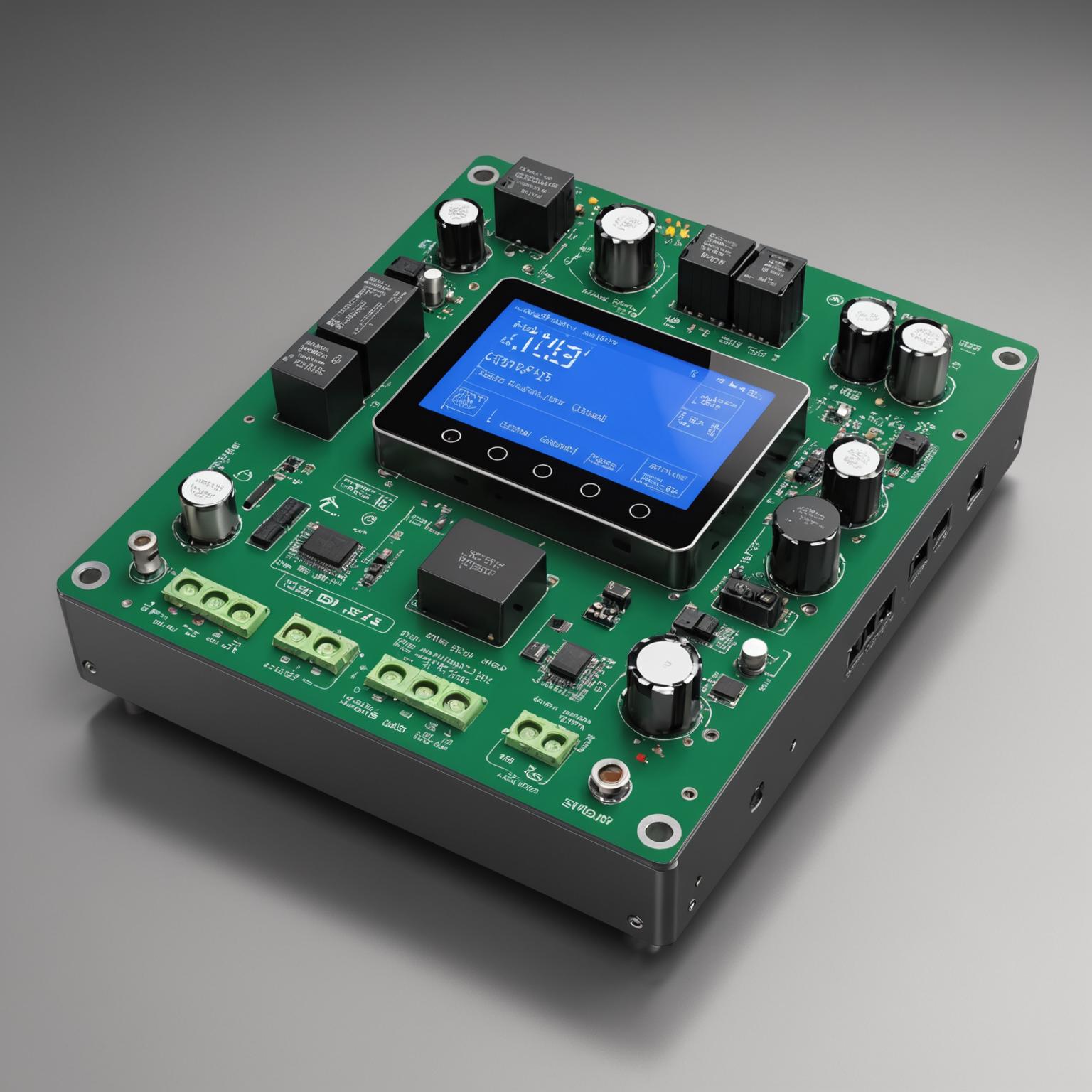
Advancements in Lithium Battery Technology
The journey of lithium battery technology has been marked by continuous innovation, leading to significant improvements in energy density, lifespan, and safety. Unlike older battery chemistries, lithium-ion offers a superior power-to-weight ratio, making it ideal for both portable electronics and large-scale installations. These advancements have unlocked new possibilities, from longer-lasting mobile devices to more efficient electric vehicles. The ongoing research focuses on enhancing these attributes further, exploring new materials and designs to push the boundaries of what lithium battery technology can achieve. Companies at the forefront are integrating features like robust power terminals and precise State of Charge (SOC) indicators into their modules, reflecting the practical application of these technological leaps and promising even greater efficiency and sustainability.
Comprehensive Energy Storage Solutions for a Dynamic World
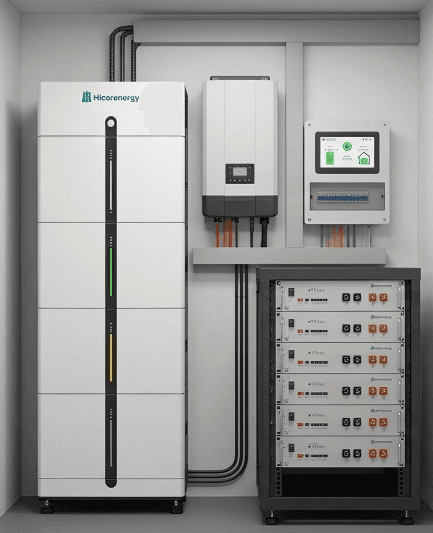
Effective energy storage solutions are vital for balancing supply and demand in our increasingly complex energy grids. Lithium-ion batteries play a critical role within these solutions, providing the flexibility to store energy when it's abundant and release it when needed. This capability is particularly crucial for integrating intermittent renewable energy sources. Systems like the C5° Modular Power Management System from innovators such as Hicorenergy exemplify the sophistication required. These systems offer features like intuitive running lights, responsive alarm indicators, and robust CAN/RS485 communication ports for seamless system integration and data transfer, ensuring that energy storage is not just passive, but actively managed. Such comprehensive energy storage solutions ensure grid stability and optimize energy utilization across various sectors, making them indispensable for modern power management.
Empowering Renewable Energy Storage
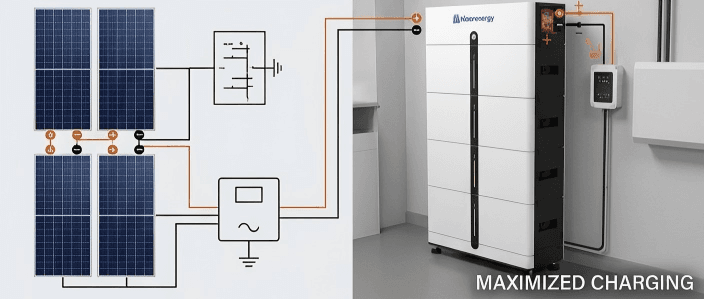
The transition towards a sustainable energy future is heavily reliant on effective renewable energy storage. Lithium-ion batteries provide an efficient and scalable means to capture and store energy generated from sources like solar and wind, overcoming their inherent intermittency. This ensures a stable and reliable power supply, even when conditions are not optimal for generation. Advanced battery modules, such as the HiCorEnergy battery module, are engineered with features like thoughtful ON/OFF power switches, immediate visual feedback from ALM and RUN indicators, and durable Phoenix Contact connectors. These elements are crucial for the demanding requirements of renewable energy storage projects, facilitating greater adoption of clean energy worldwide. The ability to pair renewable generation with reliable storage is transforming the energy landscape.
Diverse Applications of Lithium-Ion Batteries
The versatility of lithium-ion batteries applications extends far beyond grid-scale storage. They are integral to a wide array of technologies, powering electric vehicles, portable consumer electronics, critical medical devices, and robust industrial equipment. In each of these lithium-ion batteries applications, the high energy density, long cycle life, and relatively low maintenance of the batteries offer distinct advantages. For instance, Hicorenergy's advanced power management and distribution units are engineered with user-friendly interfaces, multiple communication protocols (including Console, CAN, RS485, and Ethernet), and sturdy enclosures. These features redefine energy efficiency and reliability in diverse commercial and industrial settings, showcasing how adaptable these power sources have become. These systems often incorporate intelligent design to optimize operational energy infrastructures effectively.
The Future Powered by Intelligent Lithium-Ion Systems
Looking ahead, the integration of smart technologies with lithium-ion battery storage systems is set to further enhance their capabilities. Features like dedicated IoT ports for seamless connectivity, as seen in advanced power management systems like the C5°, allow for remote monitoring, predictive maintenance, and optimized energy dispatch. Ningbo Hicorenergy Co., Ltd. continues to push the envelope with products that embody reliability and futuristic connectivity. Their C5°α variations and the HiCorEnergy battery modules, complete with secure ground connectivity, DIP switches for tailored configurations, and convenient handles for easy installation, are not just about storing power; they represent a new era of intelligent lithium battery technology. These advancements ensure that future energy storage solutions are more accessible, reliable, and sustainable. For those interested in exploring these cutting-edge energy systems further, reaching out to info@hicorpower.com or contacting +86 18106663226 via WhatsApp can provide more detailed insights into their innovative offerings.