Home energy storage systems open up the dawn of energy independence
The way home power is undergoing major changes, and home energy storage systems are at the forefront of this change. These advanced solutions are rapidly moving from niche technologies to mainstream applications, providing homeowners with unprecedented control over power consumption, cost and environmental impact. With energy prices fluctuating and the growing philosophy of sustainable living, understanding the potential of residential energy storage is more important than ever. It’s not just about electricity; it’s about resilience, efficiency, and a positive step towards a future of energy self-sufficiency. These systems essentially allow you to capture and store electricity—whether from off-peak grids or from renewable energy like solar panels—for use at any time during day or night.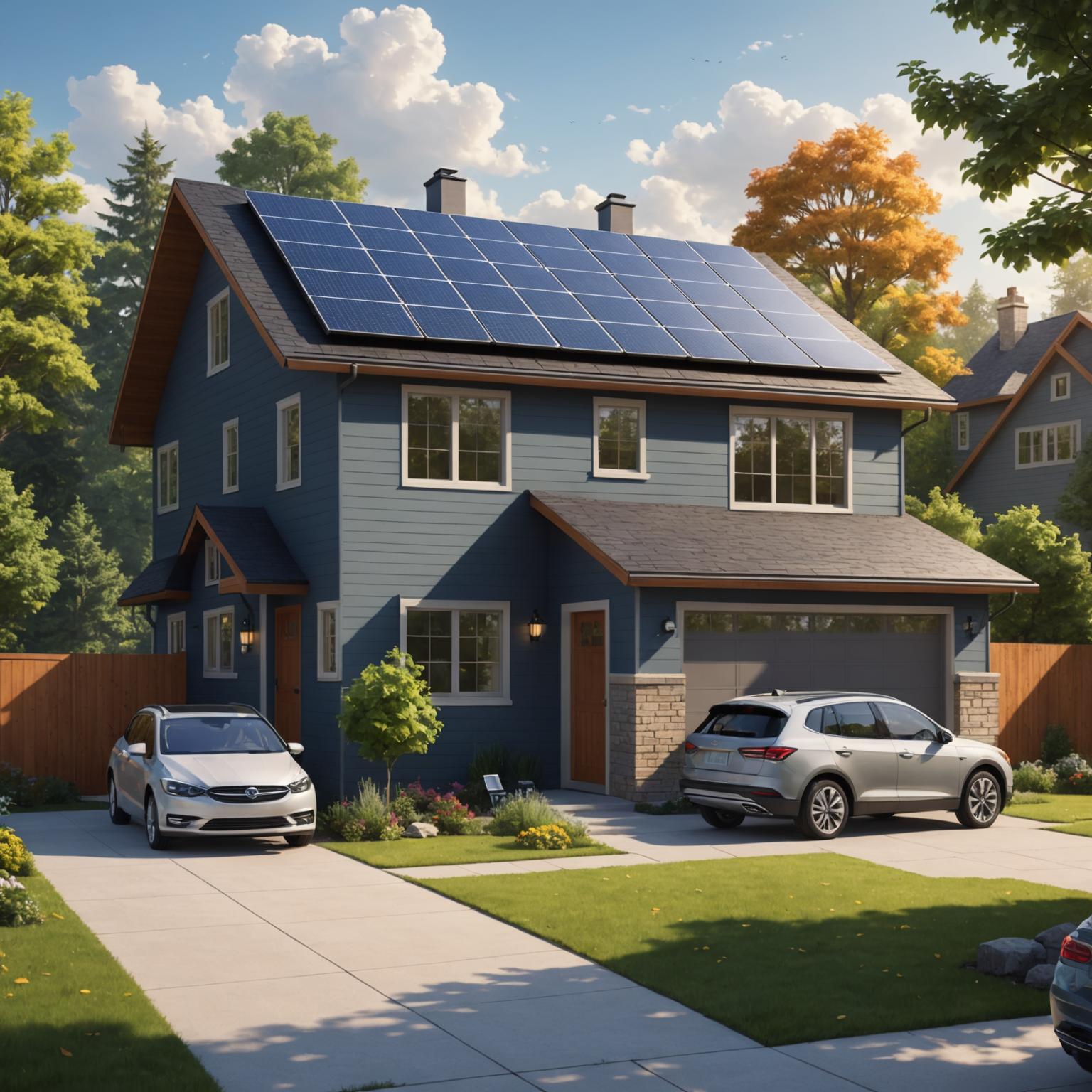
Why invest in household battery energy storage? Its significant advantages
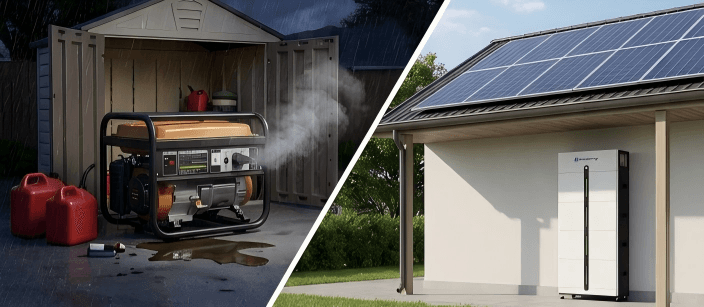
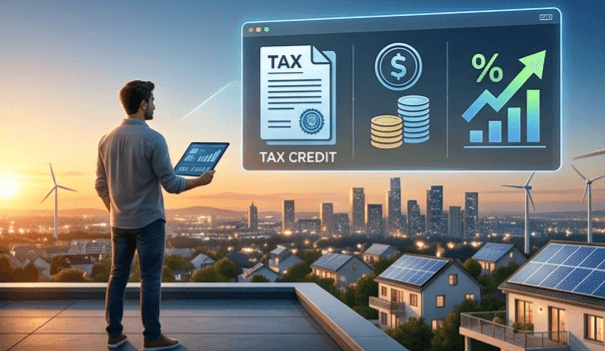
Investing in household battery energy storage systems brings many significant advantages. Perhaps the most direct advantage lies in its significant cost saving potential. By storing electricity at the lowest electricity prices (such as at night or at low demand) and using it during peak hours when the grid prices are high, homeowners can effectively reduce their electricity bills. For homeowners with solar installations, the value of the home battery system is even more prominent. It can store excess solar energy generated during the day for night use, thereby maximizing self-use capabilities and reducing dependence on the power grid. In addition to economic benefits, these systems also bring priceless peace of mind to users through reliable backup power supplies. If your home can switch to energy storage systems seamlessly, the interference caused by power outages due to extreme weather or instability in the grid will be greatly reduced. This not only keeps comfort and convenience, but also ensures that basic household appliances and medical equipment continue to operate. In addition, home energy storage solutions can promote the utilization of renewable energy and may reduce grid pressure during peak demand, thus having a positive impact on the environment.
Selecting the Right System: Key Features of Energy Storage Systems
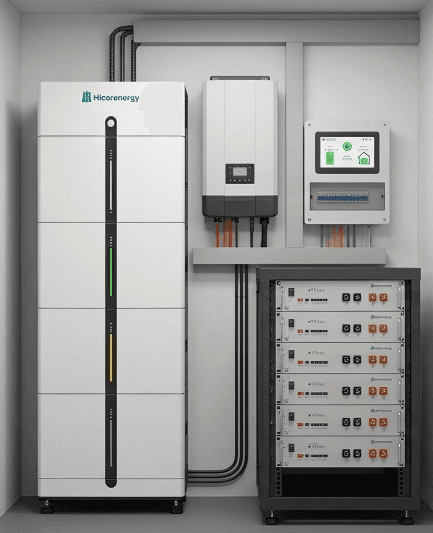
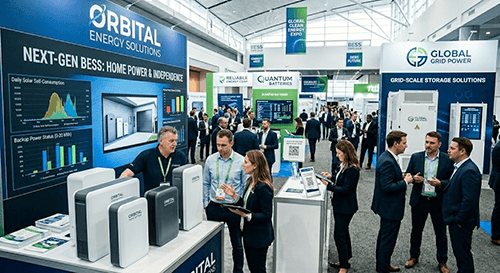
When considering energy storage systems, there are several key characteristics that determine whether they are suitable for your specific needs and their effectiveness. Capacity (in kilowatt-hours (kWh)) is the main consideration, which indicates how much energy the system can store. It is crucial to choose a capacity that matches your home’s energy consumption and target, whether it’s for backup power, solar power, or off-grid life. Many modern systems, such as Hicor Energy’s innovative I-BOX 48100R, offer modular scalability, allowing you to continuously increase storage capacity as your needs change. Performance indicators such as round trip efficiency (the ratio of returned energy to input energy) and discharge depth also play a crucial role. An intuitive interface and powerful monitoring capabilities are essential for effective energy management solutions. For example, some advanced devices, such as the well-designed HDX-K8S08T, offer clear metrics such as state of charge or SOC and connectivity options, allowing users to easily track their energy production, storage, and consumption. Safety certification and durable construction are crucial to ensure long-term reliability. Finally, aesthetics and physical dimensions are becoming increasingly important; modern systems have stylish designs that can seamlessly integrate into various home environments, reflecting both high-tech performance and a harmonious lifestyle. These devices are equipped with precise input ports, power connectors and efficient configurations to ensure that they meet a variety of setup needs.
Powering your life: solar storage and off-grid capabilities
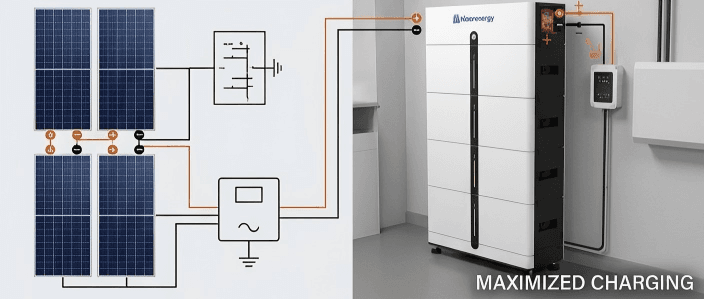
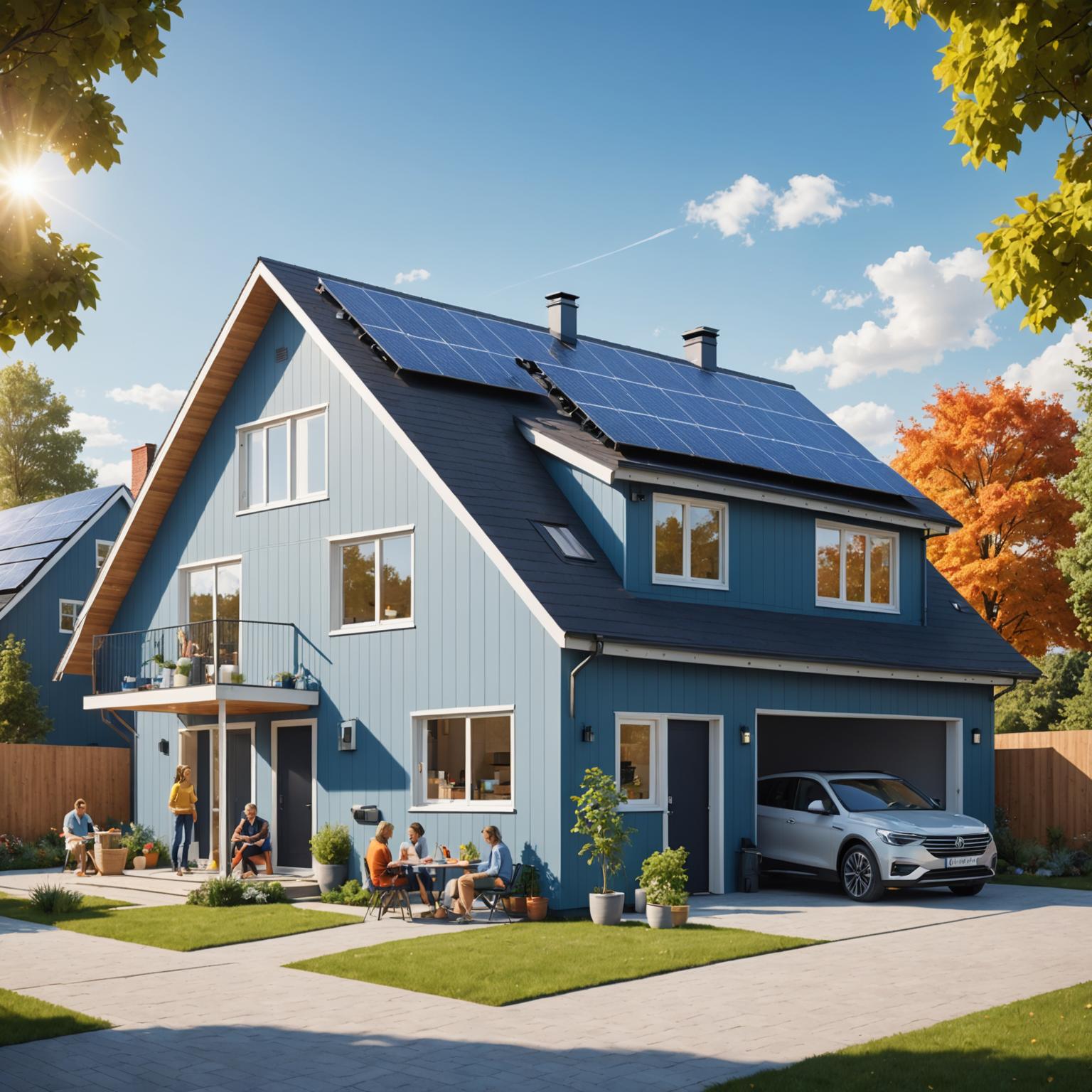
One of the most powerful applications of home energy storage is synergistic with solar panel installations. Solar energy storage allows homeowners to capture the abundant clean energy generated by solar panels during the day, which could otherwise be transported to the grid, and generally with extremely low returns. These stored solar energy can be used at night or cloudy days, thereby significantly increasing the household’s self-sufficiency and reducing reliance on public electricity supply. This not only improves the return on investment in solar systems, but also deepens household commitment to renewable energy. For households who desire greater autonomy or live in areas where grid-powered power is unstable, these systems are the basis for building a powerful off-grid home energy solution. They provide a stable supply of electricity needed for homes to operate independently. In addition, even for homes that are already connected to the grid, the home battery system can act as an intelligent energy management solution, helping to balance demand by discharging (peak shaving) during peak hours and charging at low demand, thus helping to improve stability and efficiency across the grid. The ability to manage energy resources so accurately can bring both environmental and economic returns.
Adopt users to embrace a smarter energy future
Adopting residential energy storage systems is a clear step towards a smarter, more resilient and more sustainable energy future. These systems enable individuals to actively control energy consumption, get rid of passive relationships with utility suppliers, and become proactive energy managers. The benefits are not limited to individual households; the widespread adoption of energy storage systems helps build a more stable and efficient grid, promotes the integration of more renewable energy, and reduces overall carbon emissions. Innovation in battery technology, coupled with advanced energy management software, makes these systems easier to access, more efficient and easier to use than ever before. Devices that combine cutting-edge energy management hardware such as the HDX-K8S08T with high-performance energy storage modules such as the I-BOX 48100R reflect today's advanced solutions. They feature stylish design, intuitive interface with SOC indicators, modular scalability and strong connectivity, making advanced energy management a practical reality for modern homes. Investing in home energy storage is more than just installing batteries; it is about taking a forward-looking approach to energy that ensures safety, optimizes costs, and contributes to a cleaner planet.