The Revolution of Energy: Understanding Lithium-Ion Battery Storage
The advent of effective energy storage has become a cornerstone of modern technological progress, and at the forefront of this revolution is lithium-ion battery storage. This technology is not merely a component; it's an enabler of a more sustainable, reliable, and efficient energy future. As demands for power grow and the shift towards renewable sources accelerates, the ability to store energy effectively is paramount. The sophisticated science behind lithium battery technology has unlocked unprecedented capabilities, transforming how we manage and utilize electrical power across a vast spectrum of applications.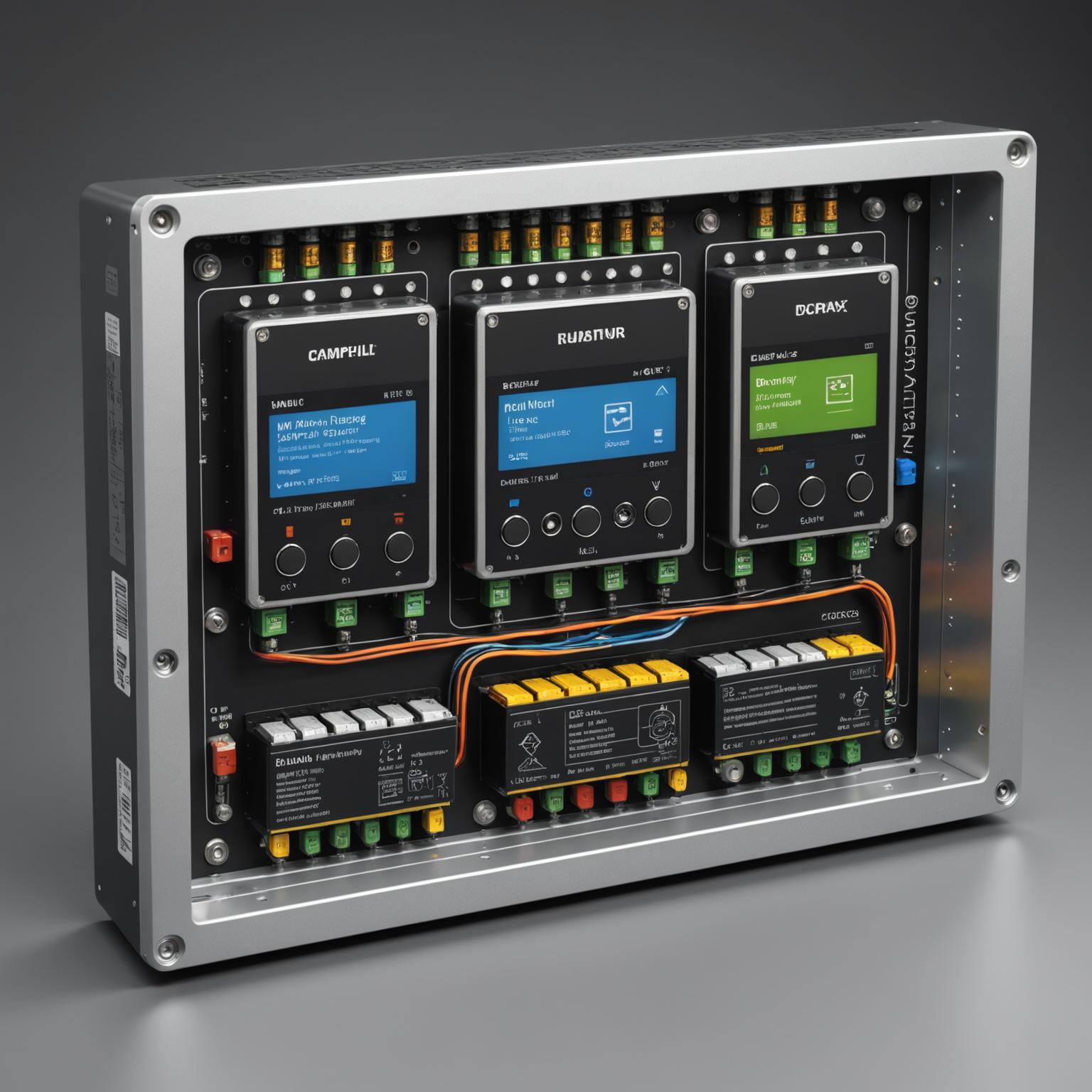
Pioneering Advances in Lithium Battery Technology
Lithium-ion batteries have emerged as the dominant force in energy storage due to a compelling combination of characteristics. Their high energy density means more power can be stored in a smaller, lighter package compared to older battery chemistries. Furthermore, modern lithium battery technology offers extended lifespans, capable of undergoing numerous charge and discharge cycles with minimal degradation. This durability, coupled with high efficiency rates, ensures that minimal energy is lost during storage and retrieval. Continuous research and development in this field, driven by innovators like Ningbo Hicorenergy Co., Ltd., focus on enhancing these attributes further, pushing the boundaries of capacity, safety, and cost-effectiveness, making advanced lithium-ion solutions increasingly accessible.
Integrated Energy Storage Solutions for Modern Demands
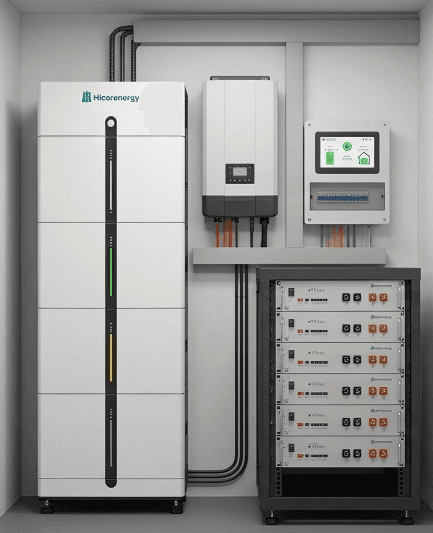
True energy independence and efficiency require more than just individual battery cells; they demand comprehensive energy storage solutions. These systems intelligently manage power flow, ensure operational safety, and integrate seamlessly with existing infrastructure. A prime example of such sophistication can be found in advanced power management systems like the C5°α series. This system is engineered for rigorous industrial demands, featuring an intuitive Running Light and Alarm Indicator for real-time status updates, alongside a straightforward Start Switch and Power Button for safe operation. Crucially, its CAN/RS485 communication port and IoT Port facilitate unparalleled connectivity and data exchange, vital for smart grids and complex industrial setups. Features such as the DIP Switch for personalized configurations, the SOC Indicator for precise charge monitoring, Dry Contact for system alerts, and dedicated Negative and Positive Power Terminals for secure power management, all contribute to a robust and versatile solution that addresses the multifaceted needs of modern lithium-ion batteries applications.
The Heart of Storage: Advanced Lithium-Ion Battery Modules
At the core of any large-scale lithium-ion battery storage system are the battery modules themselves. These are no longer simple power packs but sophisticated units designed for performance, safety, and scalability. The Hiconergy Battery Module exemplifies this evolution. It features an intuitive user interface with clearly marked switches and status indicators, including an advanced State of Charge (SOC) meter for real-time energy reserve updates. Connectivity is a strong suit, with multiple ports including CAN, RS485, and dedicated console interfaces, ensuring seamless integration into diverse power systems, from residential to commercial and renewable energy setups. Safety is paramount, highlighted by bright orange high current connectors that adhere to the highest standards. Housed in a rugged, modular casing with convenient side handles, these modules support easy installation and stacking for scalable solutions, perfectly adapting to growing energy needs without compromising space efficiency. Such modules are fundamental to the success of effective renewable energy storage.
Ensuring Longevity and Safety: The Role of Battery Management Systems
To maximize the potential of lithium-ion batteries and ensure their safe, prolonged operation, a sophisticated Battery Management System (BMS) is indispensable. The BMS monitors critical parameters, protects against conditions like overcharging or deep discharging, and optimizes performance. The HiCore Energy Battery Management System is a testament to this crucial technology. It offers effortless control with a clearly labeled POWER switch and an SW button for signal functions, both illuminated for operational clarity. Vital ALM (alarm) and RUN LEDs provide immediate feedback, while a green LED array serves as an SOC meter. Connectivity is extensive, with an array of ports including CAN, RS485, and multiple Ethernet options, facilitating interaction across various platforms. Robust terminal connectors and a reliable Phoenix Contact catch ensure secure integration, underscoring its role in sophisticated energy storage solutions. This system is pivotal for many lithium-ion batteries applications, ensuring safety and performance.
Empowering Renewable Energy and Diverse Industrial Applications
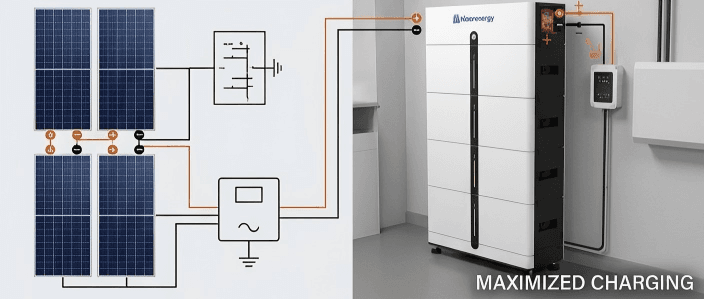
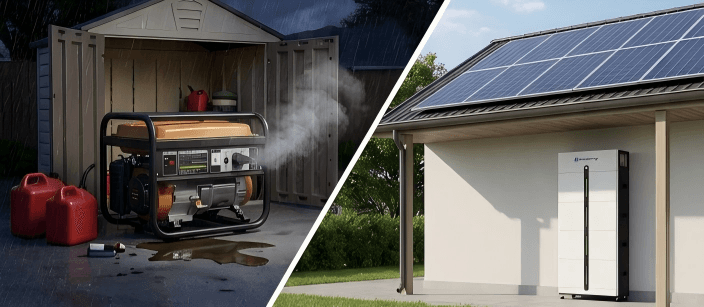
One of the most significant impacts of advanced lithium-ion battery storage is its role in renewable energy storage. Sources like solar and wind are intermittent, and storage systems provide the crucial buffering capability to ensure a stable and reliable power supply. Beyond renewables, lithium-ion batteries applications are incredibly diverse. They power electric vehicles, provide backup for critical facilities like hospitals and data centers, support grid stabilization, and enable off-grid energy solutions in remote areas. The versatility and reliability of systems incorporating components like the C5°α series power management system, Hiconergy Battery Modules, and HiCore Energy BMS, all developed with an eye towards diverse operational needs by companies such as Ningbo Hicorenergy Co., Ltd., are making these applications more feasible and efficient than ever before. This is driving the adoption of cleaner energy and more resilient power infrastructures globally, showcasing the wide-ranging benefits of modern lithium battery technology.
The Future Outlook for Lithium-Ion Energy Storage
The trajectory for lithium-ion battery storage is one of continuous improvement and expanding influence. As technology evolves, we can expect even greater energy densities, longer lifespans, enhanced safety features, and decreasing costs, further accelerating adoption. Innovations such as those embodied by the integrated product ecosystem from Ningbo Hicorenergy Co., Ltd.—spanning the C5°α power management system, the adaptable Hiconergy Battery Modules, and the intelligent HiCore Energy BMS—are critical in this journey. These comprehensive energy storage solutions are not just meeting current demands but are actively shaping a future where clean, reliable, and intelligently managed power is accessible to all, underpinning sustainable development across residential, commercial, and industrial sectors worldwide.