Turnkey Energy Storage Solution: Accelerating Deployment and ROI for Global Projects
Energy storage has become essential for industries and utilities, but traditional deployments are often slowed by multi-vendor complexity, compatibility issues, and extended commissioning. A turnkey energy storage solution addresses these challenges by delivering a fully integrated, factory-tested ESS package that can be deployed quickly and reliably.
Why Businesses Choose Turnkey Energy Storage
-
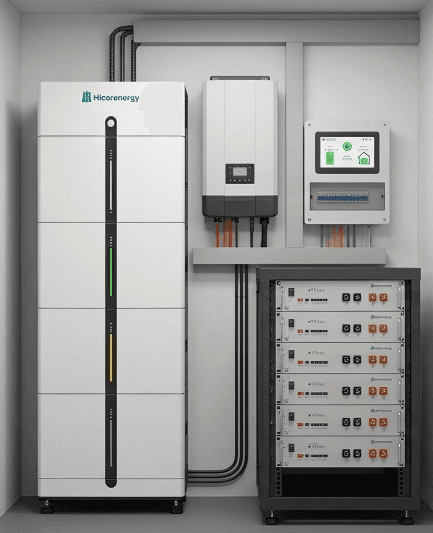
Simplified Integration – Batteries, inverters, BMS, and EMS pre-engineered into one system.
-
Faster Commissioning – Install in days instead of weeks.
-
Lower Risk – Standardized designs reduce compatibility issues.
-
Comprehensive Support – From feasibility studies to ongoing maintenance.
For EPCs and industrial customers, turnkey ESS means more predictable projects and faster payback.
Market Outlook & Industry Trends
The demand for turnkey energy storage systems is growing at record speed. According to BloombergNEF, the global ESS market will exceed 500 GWh annual installations by 2030, with a significant share in commercial and industrial (C&I) deployments.
Key drivers include:
-
Rising energy prices across Europe, Asia, and North America.
-
Government incentives such as the US Inflation Reduction Act and EU Green Deal.
-
Grid modernization in emerging markets like Africa and Southeast Asia.
-
Renewable integration – solar and wind projects increasingly require paired storage to ensure 24/7 output.
This trend explains why international developers and utilities prefer turnkey ESS providers: the model reduces risk and accelerates project delivery in competitive markets.
Customer Pain Points and Targeted Solutions
Businesses turn to turnkey ESS not for convenience alone, but to solve pressing operational challenges:
-
High Electricity Bills – Peak demand charges can account for 30–40% of monthly utility costs.
→ Solution: Turnkey industrial battery storage systems flatten demand curves and cut peak charges. -
Unreliable Grids – Frequent outages disrupt operations and revenue.
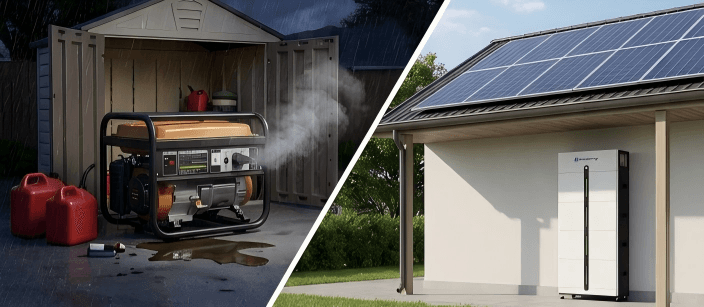
→ Solution: Integrated ESS provides instant backup power, reducing reliance on diesel generators. -
Sustainability Commitments – Corporations face investor and regulatory pressure to meet ESG targets.
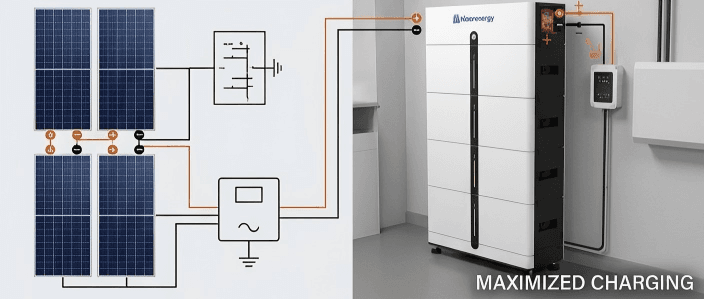
→ Solution: Pairing turnkey ESS with solar and wind ensures measurable carbon reductions. -
Scalability Concerns – Businesses fear outgrowing today’s system.
→ Solution: Modular, turnkey systems allow capacity expansion without redesign.
Financial & Operational Benefits of Turnkey ESS
Beyond technical integration, turnkey solutions deliver measurable financial advantages:
-
Lower CAPEX and OPEX – Standardized designs cut engineering costs by up to 15%, while integrated monitoring reduces operating expenses.
-
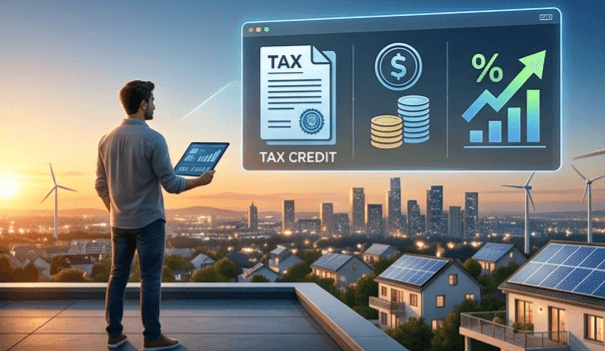
Faster ROI – Businesses see payback in as little as 3–5 years, thanks to energy bill reductions and incentives.
-
Reduced Project Risk – A single responsible supplier eliminates finger-pointing between vendors.
-
Accelerated Delivery – Deployment timelines can be reduced by 30–50%, allowing developers to capture value faster.
For example, a European manufacturing facility implemented a turnkey 2 MWh ESS and achieved a 25% energy cost reduction, while reducing its payback period by two years.
Applications of Turnkey Energy Storage
-
Commercial Buildings – Secure backup and reduce costs for malls, hospitals, and offices.
-
Industrial Facilities – Support production lines with peak shaving and backup power.
-
Utility-Scale Projects – Deploy modular containerized ESS for grid stabilization.
-
Remote Microgrids – Enable clean, reliable power for mining, islands, and rural communities.
Hicorenergy: Delivering Complete Turnkey Solutions
As a BESS manufacturer and turnkey ESS provider in China, Hicorenergy supports global projects with:
-
Integrated Systems – Batteries, inverters, and EMS combined in one package.
-
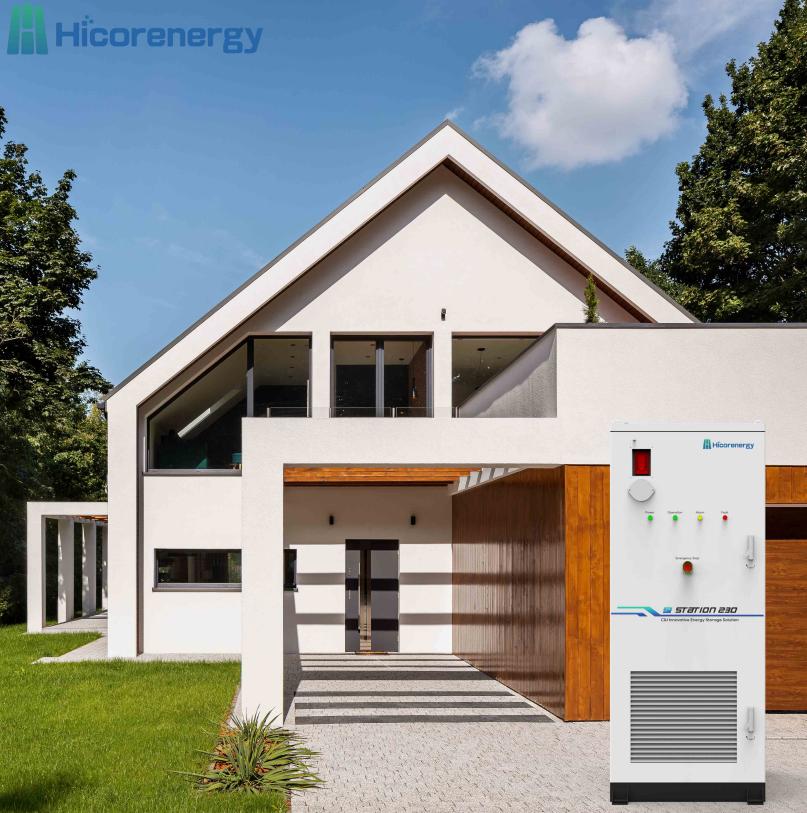
Scalability – From 230kWh cabinets to multi-MWh containerized ESS.
-
Certified Technology – IEC, CE, UL, UN38.3 compliance.
-
Global Deployments – Proven success in Europe, Africa, and Asia.
-
Lifecycle Service – Engineering, commissioning, monitoring, and after-sales.
The Future of Energy Storage is Turnkey
Choosing a turnkey energy storage solution means more than simplifying project management — it means achieving faster ROI, lower risk, and long-term resilience. With its robust portfolio and global project experience, Hicorenergy is a trusted partner for EPCs, industrial clients, and utilities seeking reliable storage at scale.
Explore Hicorenergy’s turnkey ESS solutions or contact us to discuss your project needs.