The Evolving Landscape of Home Energy: The Role of Residential Energy Storage
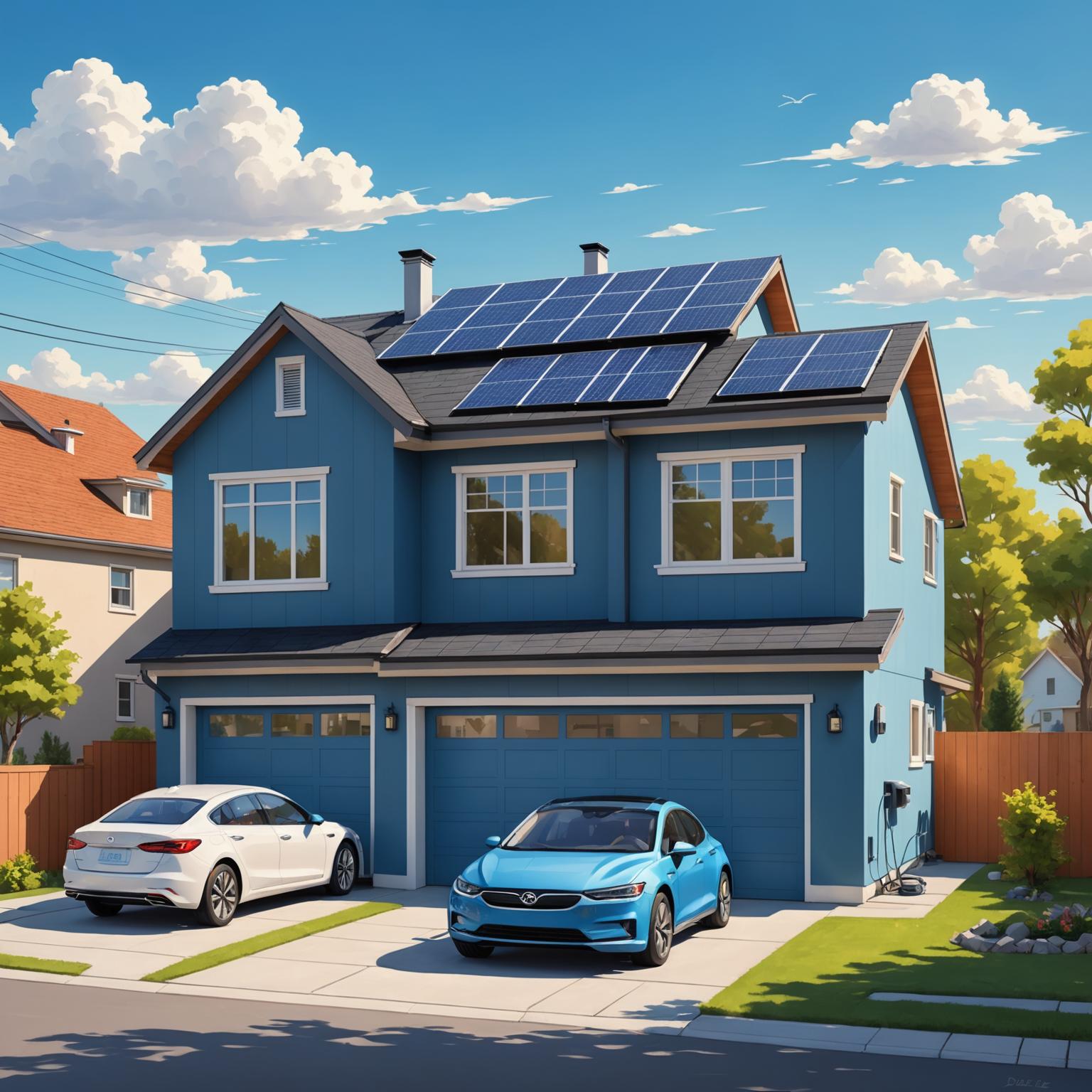
As the world shifts towards more sustainable living and energy independence, the Residential Energy Storage Battery has emerged as a cornerstone technology. These systems are pivotal in modern homes, offering a way to capture and store energy, typically from renewable sources like solar panels, for later use. The growing interest in residential energy storage is driven by a desire for reduced electricity bills, enhanced energy security during grid outages, and a smaller environmental footprint. Homeowners are increasingly looking for ways to take control of their power, and these storage solutions provide precisely that capability, transforming passive energy consumers into active energy managers.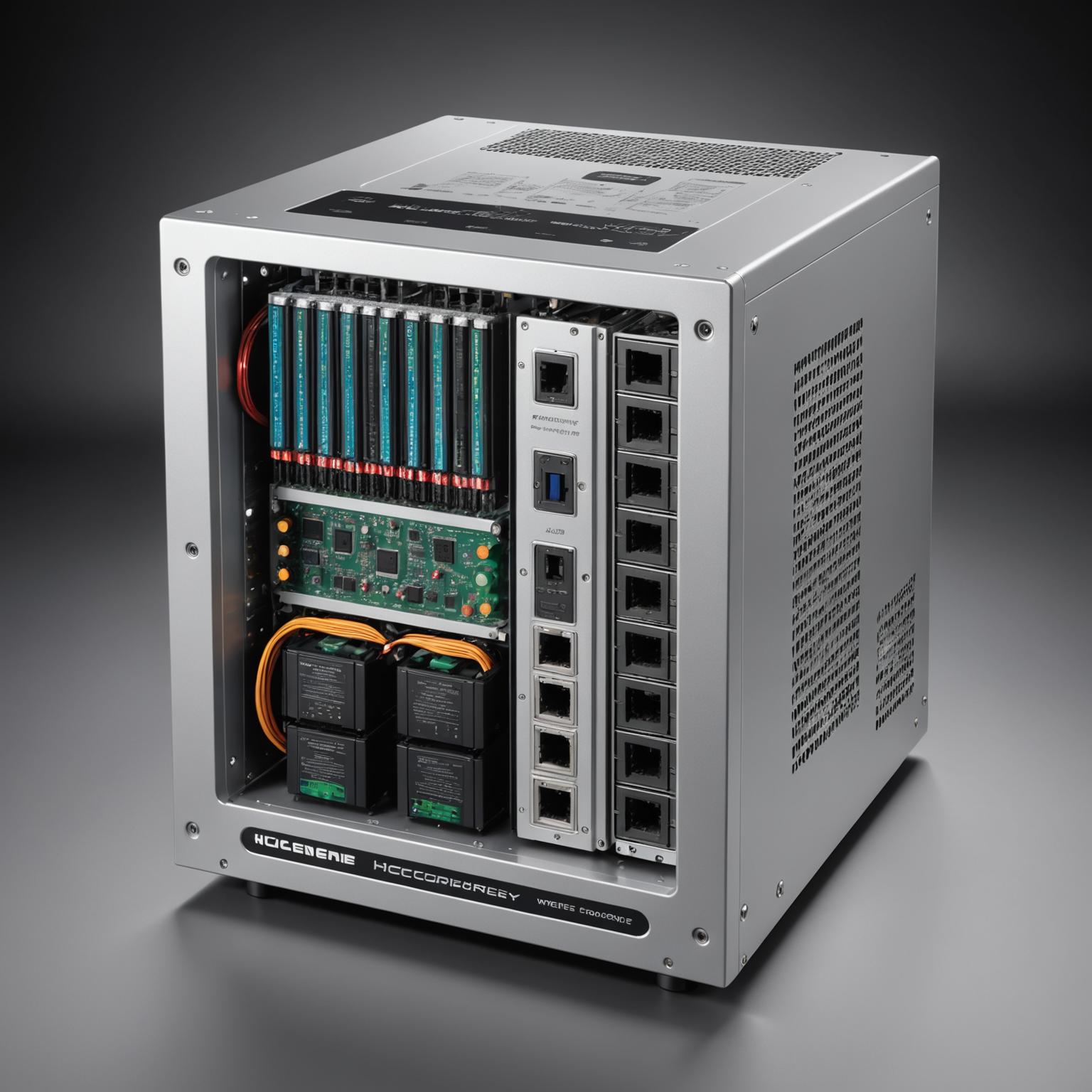
Traditional Grid vs. Modern Home Battery Systems: A Power Paradigm Shift
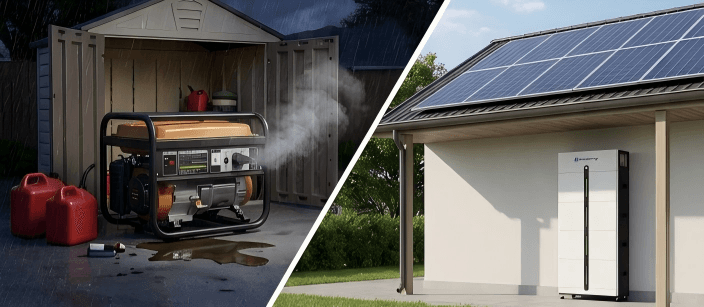
For many years, the conventional approach to home energy involved complete reliance on the centralized utility grid. This model, while functional, presents limitations such as vulnerability to widespread outages, fluctuating energy prices particularly during peak demand, and a one-way flow of power. In contrast, modern home battery systems represent a significant leap forward. They provide a decentralized energy source within the home, ensuring that essential appliances remain operational during blackouts. Furthermore, these systems can be intelligently managed to store electricity when it's cheapest (e.g., during off-peak hours or when solar generation is high) and discharge it when grid prices are high, leading to substantial savings. This comparison highlights a move from dependency to empowerment, where home battery systems give homeowners unprecedented control over their energy usage and costs.
Navigating the Choices: Understanding Different Energy Storage Solutions
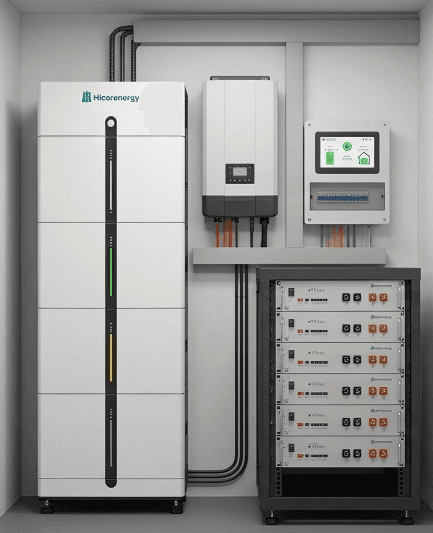
When considering investing in energy storage solutions for your home, it's important to recognize the variety available. The market offers several battery chemistries and system configurations, with lithium-ion technology often favored for its energy density, lifespan, and declining costs. However, not all systems are created equal. Some offer basic backup capabilities, while more advanced energy storage solutions, like those developed by Hicor Energy, come with a suite of sophisticated features. These can include compact, rack-mounted designs for seamless integration into various environments, intuitive front panels with LED indicators for alarms, running status, and State of Charge (SOC), providing real-time operational insights. Connectivity options such as console ports, CAN interfaces, and RS485 communication interfaces emphasize interoperability, allowing the unit to integrate smoothly with other smart home systems or energy management platforms. The choice depends on balancing factors like capacity needs, desired level of automation, and integration capabilities.
The Advantage of Advanced Systems: A Closer Look at Hicor Energy's Approach
Comparing standard battery backups with cutting-edge solutions like those from Hicor Energy reveals the significant benefits of advanced engineering and user-centric design. While a basic system might only provide power during an outage, Hicor Energy's units are designed for maximum efficiency and flexibility. Their sleek, brushed metal exteriors offer durability, while thoughtful features like strong side-mounted handles ensure ease of installation and maintenance. The meticulous design extends to robust terminal connectors, such as the orange Phoenix Contact plug for positive connections, ensuring safe and stable electrical performance. This contrasts with simpler systems that may lack such refined physical ergonomics or comprehensive monitoring and communication capabilities. An advanced Residential Energy Storage Battery from a provider like Hicor Energy offers not just stored power, but a smarter, more integrated approach to managing a home's energy ecosystem, engineered for versatility and long-term performance.
Making an Informed Decision: The Future is Stored Energy
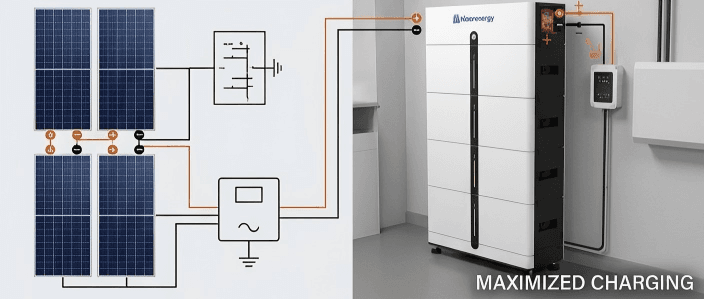
Choosing the right residential energy storage system is a critical decision that impacts a home's resilience, energy costs, and environmental contribution. While basic systems offer a degree of backup, more advanced home battery systems provide a comprehensive solution for modern energy management. They enable optimization of solar self-consumption, participation in demand response programs (where available), and greater overall energy independence. The initial investment in a sophisticated Residential Energy Storage Battery is offset by long-term savings, increased property value, and the peace of mind that comes with a reliable power supply. As technology continues to evolve, these systems will play an even more crucial role in creating smart, sustainable homes, making the comparison between different energy storage solutions an essential step for any forward-thinking homeowner.