The Dawn of a New Energy Era
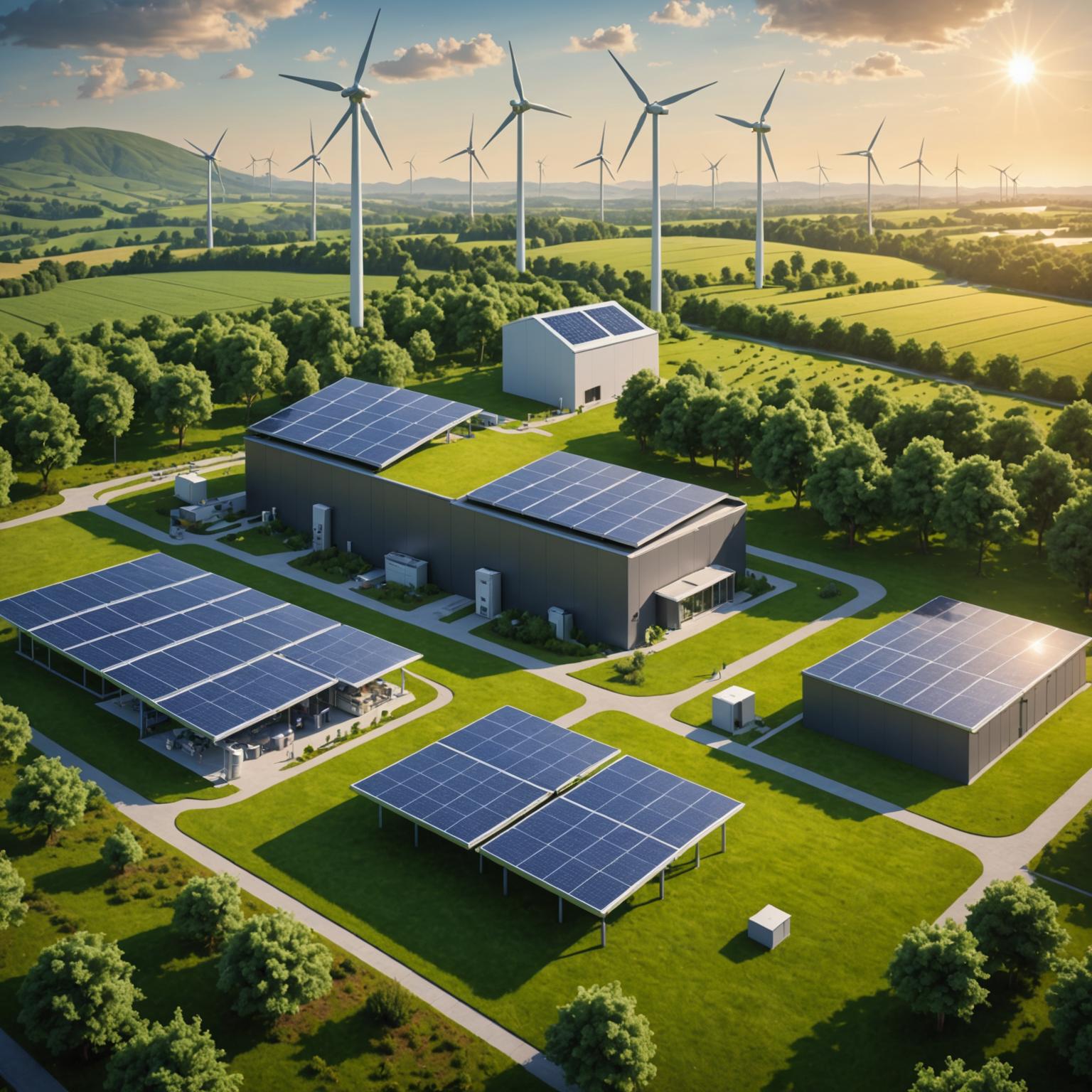
The global shift towards a cleaner, more sustainable future is undeniably powered by the rise of renewable energy sources like solar and wind. However, the intermittent nature of these sources presents a significant challenge: how do we ensure a consistent and reliable power supply when the sun isn't shining or the wind isn't blowing? The answer lies in effective renewable energy storage solutions. These innovative technologies are becoming increasingly crucial, bridging the gap between energy generation and consumption, and paving the way for true energy independence. As we explore this evolving landscape, companies like Ningbo Hicorenergy Co., Ltd. are at forefront, developing advanced systems to meet these growing demands.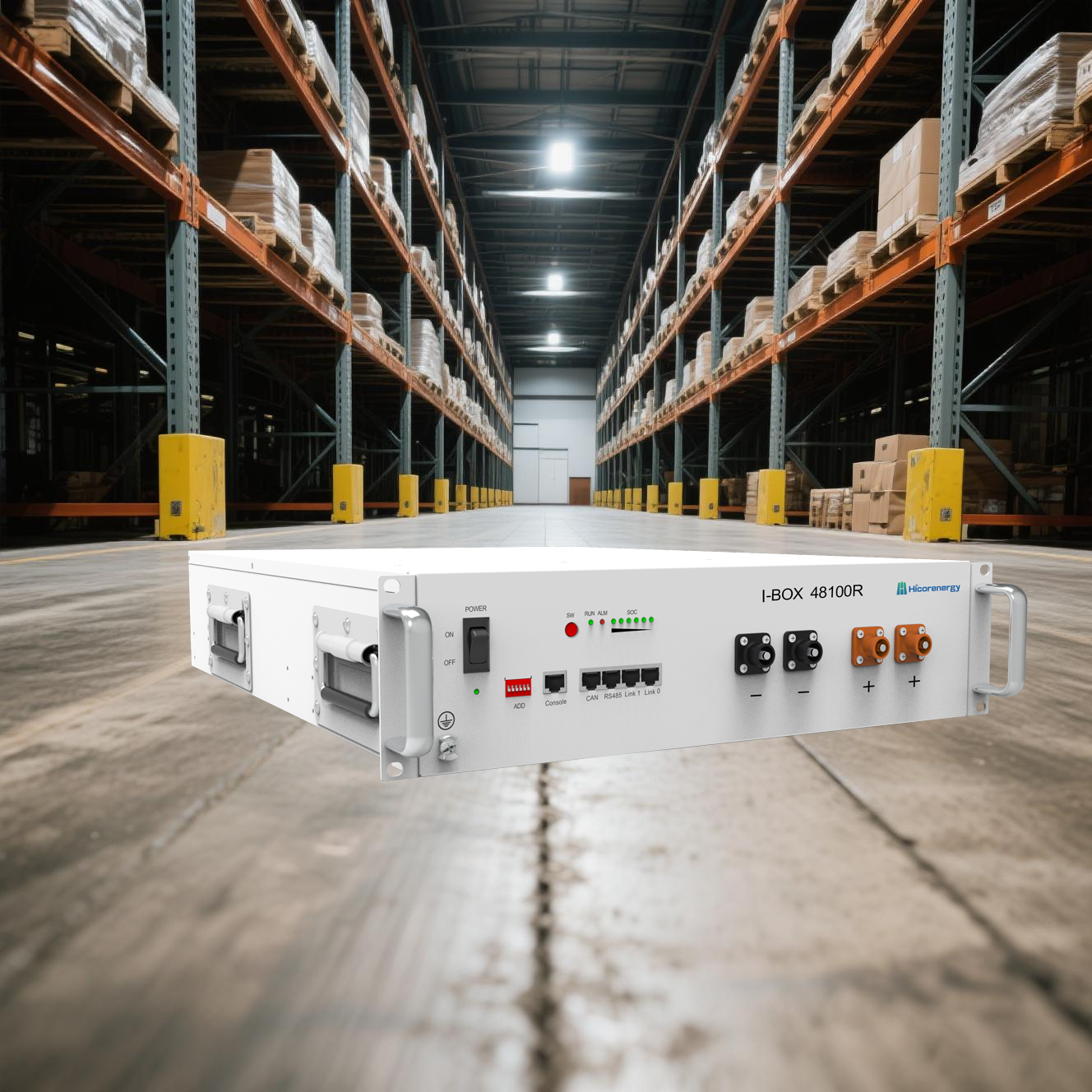
The Surge in Renewable Energy and the Storage Imperative
As sustainability becomes a global priority, the adoption of renewable energy technologies is accelerating. This commendable progress, however, brings with it the inherent challenge of intermittency. Solar panels generate electricity during daylight hours, and wind turbines rely on wind availability. Without a way to store this generated energy, much of it can go to waste, and grid stability can be compromised. This is where modern energy storage systems play a pivotal role, capturing surplus energy during peak generation times and releasing it when demand outstrips supply, ensuring a seamless and dependable power flow.
Decoding Energy Storage Systems
At its core, an energy storage system is a device or group of devices that can store electrical energy so it can be used at a later time. These systems come in various forms, but for renewable integration, battery-based solutions have emerged as highly efficient and flexible options. They are essential not only for utility-scale applications, helping to balance the grid, but also for residential, commercial, and industrial users seeking to maximize their use of self-generated renewable power and achieve greater energy autonomy. The versatility of such energy storage systems means they can be tailored to various needs, from powering a single home to supporting large industrial operations.
The Core Role of Battery Storage for Renewable Energy
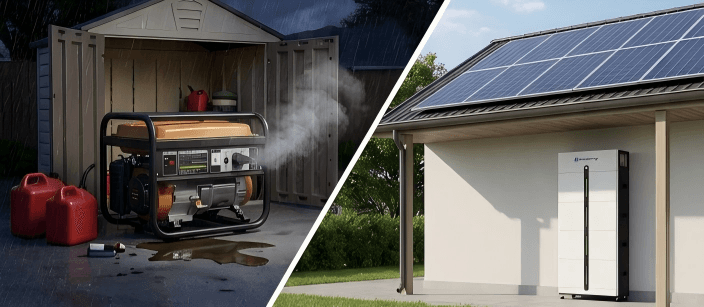
When it comes to efficiently managing renewable resources, battery storage for renewable energy is a game-changer. These systems, particularly those utilizing advanced lithium-ion technologies like Lithium Iron Phosphate (LiFePO4), offer high energy density, long cycle life, and enhanced safety. They allow homeowners and businesses to store excess solar or wind energy, reducing reliance on the grid, lowering electricity bills, and providing reliable backup power during outages. The integration of battery storage for renewable energy transforms intermittent renewable sources into firm, dispatchable power assets.
Maximizing Solar Power with Advanced Solar Energy Storage
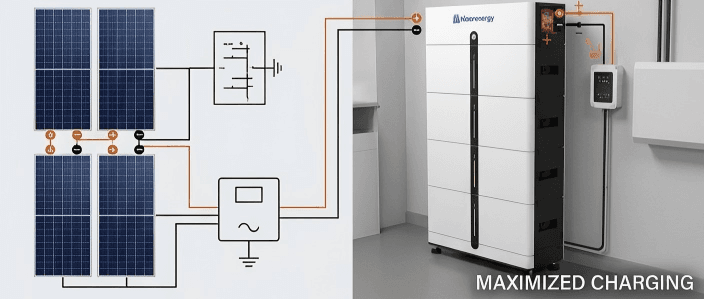
Solar panels are a fantastic way to generate clean electricity, but their output is naturally tied to daylight hours. Advanced solar energy storage solutions ensure that the abundant energy captured from the sun during the day is not lost. By pairing photovoltaic installations with robust battery systems, users can store surplus solar power for use during the evening or on cloudy days. This significantly increases self-consumption of solar energy, enhances energy independence, and makes solar power a more reliable and complete energy solution for homes and businesses. Effective solar energy storage is key to unlocking the full potential of solar technology.
Stabilizing Wind Power through Effective Wind Energy Storage
Similar to solar, wind power generation can be variable. Wind energy storage solutions are crucial for smoothing out the fluctuations in wind turbine output. By capturing excess energy during windy periods and supplying it when the wind dies down, these storage systems improve the reliability and predictability of wind power. This makes wind energy a more viable and consistent contributor to the energy mix, whether for large wind farms feeding into the grid or smaller, localized wind power installations. Integrating wind energy storage helps optimize the use of this clean resource, ensuring it can be depended upon.
Hicorenergy: Pioneering Advanced Renewable Energy Storage Solutions
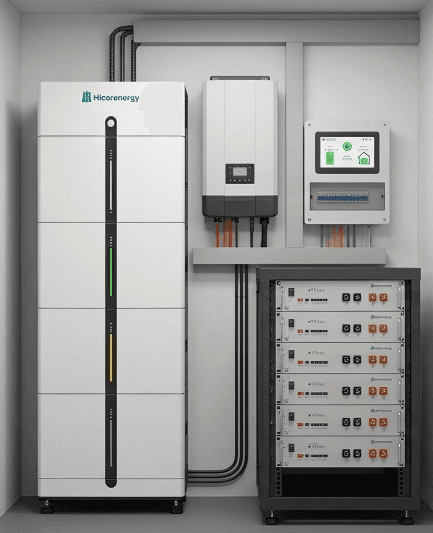
Ningbo Hicorenergy Co., Ltd. is at the vanguard of this energy revolution with its cutting-edge Hicorenergy Battery Storage Systems. These systems are meticulously designed to revolutionize how we store and use energy, catering to residential, commercial, and industrial needs. Embodying modern aesthetics with a sleek, minimalist white and black exterior, Hicorenergy’s offerings are more than just functional; they are a stylish addition to any space. The product range, including the Hicor Energy Modular Battery System and the HiCorEnergy energy storage system, showcases a commitment to high-efficiency modular design, allowing systems to be easily expanded to meet varying energy demands. This focus on advanced renewable energy storage solutions sets a new standard in the industry.
Design Excellence and Performance: The Hicorenergy Advantage
The genius of Hicorenergy products, such as the Hicorenergy Battery Storage System, lies in the seamless blend of form and function. Their stackable, modular design is not only space-saving but also incredibly flexible, allowing users to scale their energy capacity as needed. A key feature is the centrally-aligned vertical status strip, providing real-time feedback on system health with indicators for Run, SOC (State of Charge), and Alarm, keeping users informed and in control. Built with premium materials for durability and longevity, these systems incorporate state-of-the-art battery management systems, often based on robust LiFePO4 technology, ensuring maximum efficiency in energy storage and output. Features like plug-and-play installation and advanced cooling technology further enhance their user-friendliness and reliability, making them a prime example of superior battery storage for renewable energy.
Empowering a Greener Future with Hicorenergy
Investing in a Hicorenergy system is more than just acquiring an energy storage unit; it's an investment in a smarter, greener future. By enabling efficient storage and utilization of renewable energy, these systems play a direct role in reducing our collective carbon footprint. They empower users with greater energy independence, shielding them from rising electricity costs and grid instability. Whether optimizing a solar energy storage setup or ensuring consistent power through effective wind energy storage, Hicorenergy solutions are designed for sustainability and reliability. Ningbo Hicorenergy Co., Ltd.'s commitment to innovation and eco-friendly technology is evident in every unit, helping users transition towards cleaner energy consumption seamlessly.
Your Partner in Energy Independence
The journey towards a sustainable energy landscape is greatly accelerated by the continuous advancement of sophisticated energy storage solutions. These systems are indispensable for maximizing the benefits of solar, wind, and other renewable sources, transforming them into reliable, 24/7 power supplies. With innovative products like the Hicorenergy Battery Storage System, characterized by intelligent design, modular scalability, and robust performance, achieving energy independence and contributing to a healthier planet is now more accessible than ever. As we look to the future, the role of effective energy storage systems will only continue to grow, and choosing a trusted partner like Hicorenergy (info@hicorpower.com, WhatsApp: +86 18106663226) means embracing tomorrow's energy solutions today.