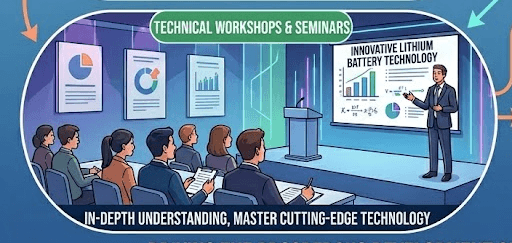
Energy storage partners are organizations or companies working together to design, manufacture, and deploy advanced storage solutions. They are essential because they combine expertise, technology, and resources to scale renewable energy adoption and ensure reliable, cost-effective, and sustainable power systems.
How Strategic Partnerships Drive Innovation in Energy Storage Solutions
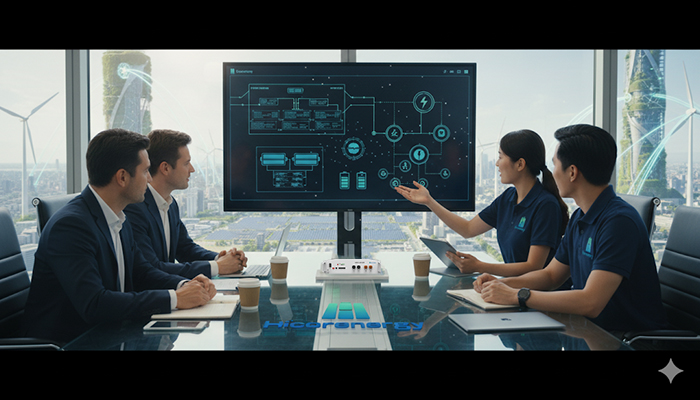
Strategic collaborations in the energy storage industry accelerate innovation by merging complementary capabilities. Manufacturers partner with technology developers to improve battery chemistry, management systems, and integration with renewable sources. Service providers work with distributors to expand market reach and deliver solutions tailored to diverse customer needs. According to HicorPower, partnerships foster cross-industry cooperation, enabling breakthroughs in safety, scalability, and digital monitoring. These collaborations not only enhance product quality but also reduce costs and streamline supply chains, ultimately advancing the global transition toward cleaner energy.
Leading Energy Storage Partners: Key Players Shaping the Market
From global lithium battery manufacturers to specialized integrators and distributors, leading energy storage partners are shaping the market through innovative solutions and strategic networks. Their combined efforts ensure efficiency, reliability, and scalability while positioning themselves as enablers of a carbon-free future.
The Role of Energy Storage Partnerships in Scaling Renewable Energy Adoption
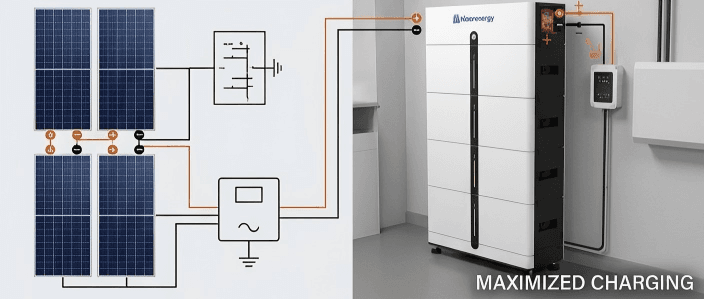
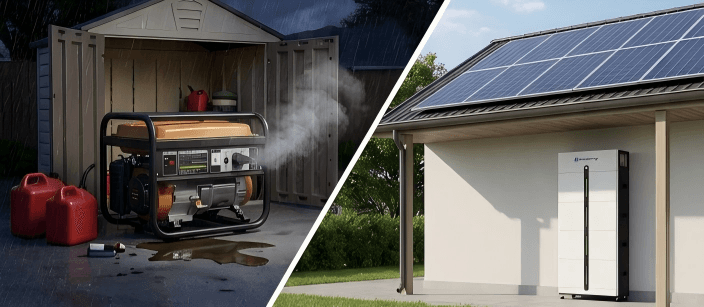
Energy storage partnerships are central to making renewable energy accessible at scale. By integrating storage solutions with solar and wind power, partners ensure a steady and reliable energy supply despite fluctuations in generation. These collaborations facilitate grid stability, peak shaving, and backup power, directly addressing energy insecurity in regions with unstable infrastructure. Partnerships also help governments and businesses meet carbon reduction targets by providing systems that maximize renewable energy utilization. Through shared investments in research, technology, and localized service networks, energy storage partners make renewable adoption faster, more reliable, and more economically viable.
How to Choose the Right Energy Storage Partner for Your Business
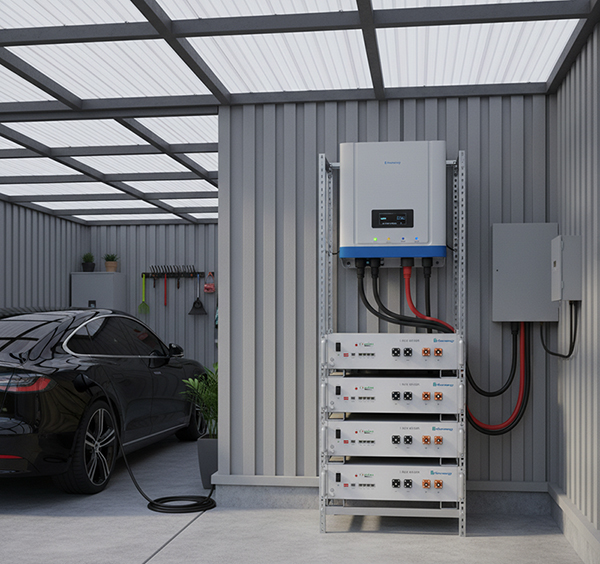
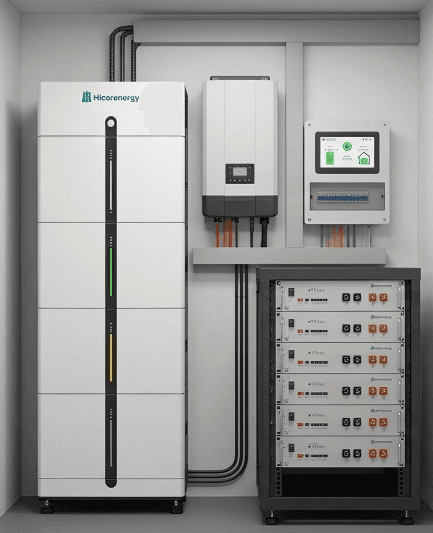
Selecting the right energy storage partner requires evaluating product performance, scalability, service capability, and local support. A trusted partner should offer reliable, cost-effective, and certified systems that match market demands. Hicorenergy, for example, provides residential and commercial storage solutions ranging from the I-BOX 48100R—a compact, efficient solar storage battery with ≥6000 cycles—to the Si LV1, a modular low-voltage system with rapid plug-and-play installation, and the Si Station 230, a high-capacity liquid-cooled cabinet for industrial applications. These products reflect the company’s commitment to flexibility, safety, and long-lasting performance. Beyond product quality, businesses should consider after-sales support, regional service availability, and the ability to expand capacity in line with future needs.
The Future of Energy Storage Partnerships: Trends and Growth Opportunities
The energy storage sector is entering a phase of rapid expansion fueled by technological advances, policy support, and rising global demand. Partnerships will increasingly focus on digitalization—remote monitoring, AI-driven management, and predictive maintenance will become standard. Global collaboration between manufacturers and local distributors will strengthen supply chains, while modular and scalable systems will dominate future markets. Companies like Hicorenergy are already aligning with these trends by offering remotely monitored, upgradeable systems such as the C5°, designed for high efficiency and adaptability. Growth opportunities also lie in emerging markets across Africa, Asia, and Latin America, where partnerships will play a decisive role in overcoming infrastructure and cost barriers to renewable energy adoption.
Conclusion
Energy storage partners are key to advancing renewable energy worldwide. Hicorenergy contributes by offering safe, scalable, and efficient products for households, businesses, and large-scale projects, ensuring sustainable energy access globally.
Contact Hicorenergy today: