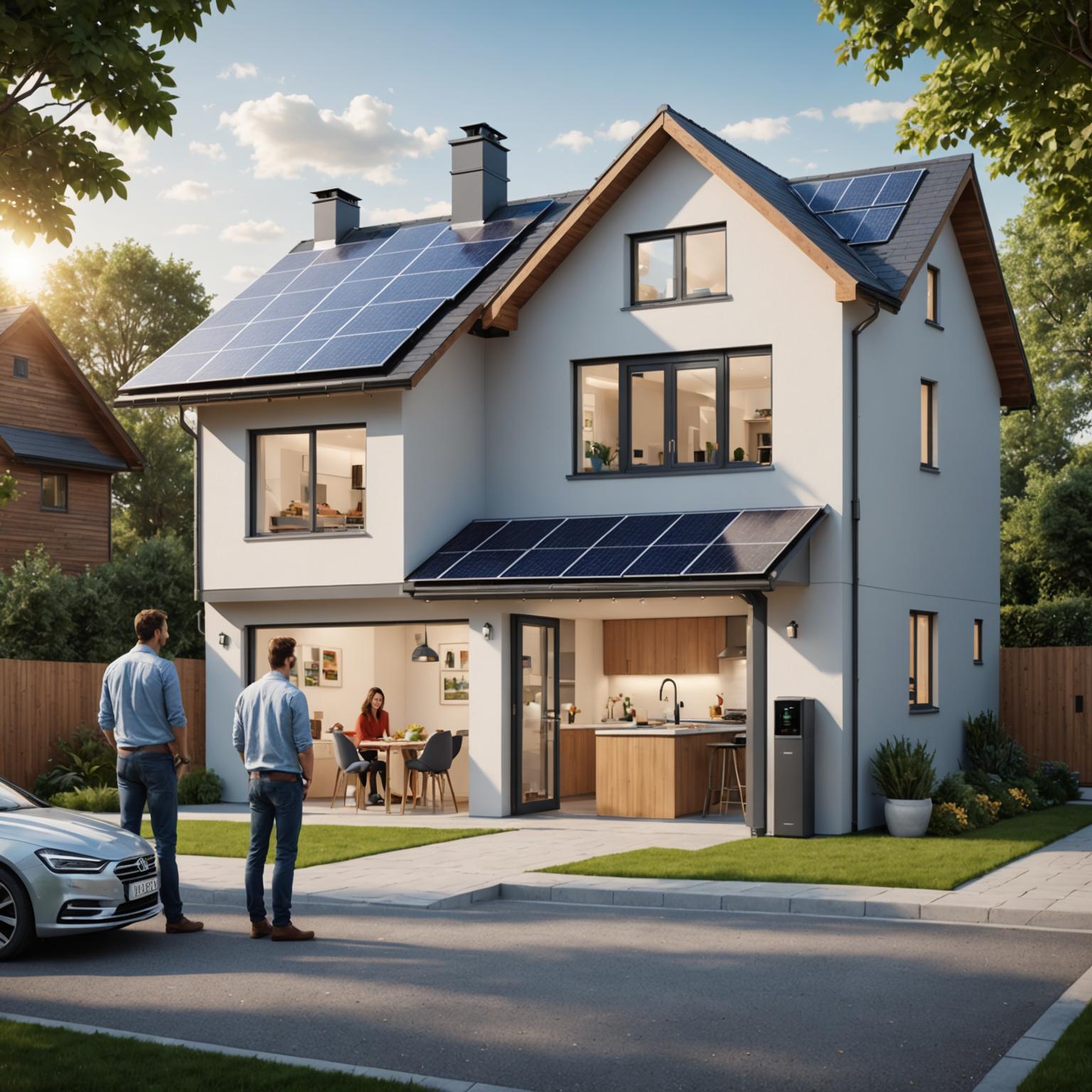
Investing in a residential energy storage battery is a significant step towards energy independence, cost savings, and enhanced grid stability. As power demands grow and the desire for sustainable living increases, understanding how to select, install, and utilize these advanced energy storage solutions becomes paramount. This guide will walk you through the essential steps and considerations for integrating a residential energy storage system into your home, ensuring you can harness its full potential effectively and safely.
Understanding Your Energy Needs
Before diving into the world of home battery systems, the first crucial step is to accurately assess your household's energy requirements. This involves looking at your average daily electricity consumption, which can typically be found on your utility bills. Consider your peak load times – when does your household use the most electricity simultaneously? Also, think about the duration of backup power you would require during an outage. Do you need to power essential appliances for a few hours, or are you looking for whole-home backup for an extended period? A clear understanding of these factors will guide you in choosing a battery with the appropriate capacity and power output, forming the foundation for effective energy storage solutions.
Key Features to Look For in a Home Battery System
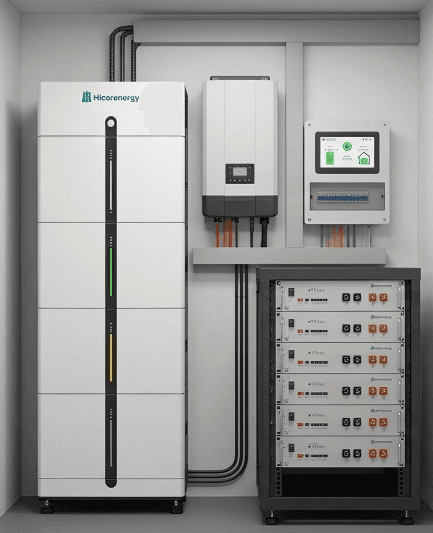
When selecting a residential energy storage battery, several key features contribute to its efficiency, ease of use, and longevity. Look for a system with a straightforward power control mechanism, such as a clearly accessible ON/OFF switch and an LED power indicator for immediate operational status. Comprehensive connectivity options are also important; integrated network ports like CAN and RS485 allow for seamless communication with other devices and smart home systems, optimizing power distribution and monitoring. Smart monitoring is essential, so seek out systems with a full suite of LED indicators for system performance, including indicators for operational readiness (RUN), alerts for troubleshooting (ALM), and a clear display for State of Charge (SOC) to show remaining battery capacity. Robust power outputs, typically heavy-duty positive and negative terminals, ensure secure and stable connections. For future flexibility, consider a modular design with an expansion switch, like the ADD expansion switch found on models such as the Hicorenergy I-BOX 48100R, which allows you to easily integrate additional modules if your energy needs grow. Finally, a durable, often rack-mountable, form factor ensures the system can be securely installed and blends well into existing setups, with features like side handles aiding transport and installation.
Step-by-Step: Integrating Your Residential Energy Storage Battery
Integrating a system like the Hicorenergy I-BOX 48100R, or similar home battery systems, involves several key stages. Always prioritize safety and consult with certified professionals for installation. First, select a suitable location: it should be cool, dry, well-ventilated, and easily accessible, away from direct sunlight and flammable materials. Next, securely mount the unit; if it's a rack-mountable chassis, ensure it's properly fitted into a compatible rack. Electrical connections are critical: carefully connect the heavy-duty positive (often distinguished, for instance, by an orange color on the Hicorenergy I-BOX 48100R) and negative terminals to your home’s electrical system or solar inverter, adhering strictly to manufacturer guidelines and local electrical codes – this step is best left to a qualified electrician. Once physically installed, connect any communication cables to the appropriate ports (e.g., CAN, RS485, Link ports) for monitoring and control. If your system is scalable, this is also when you might configure any expansion modules using features like an ADD expansion switch. Finally, perform the initial power-up using the ON/OFF switch, and carefully observe all status indicators (RUN, ALM, SOC LEDs) to ensure the system is functioning correctly and the battery is charging as expected. Regular checks of these indicators will be vital for ongoing system health.
Maximizing the Benefits of Your Residential Energy Storage
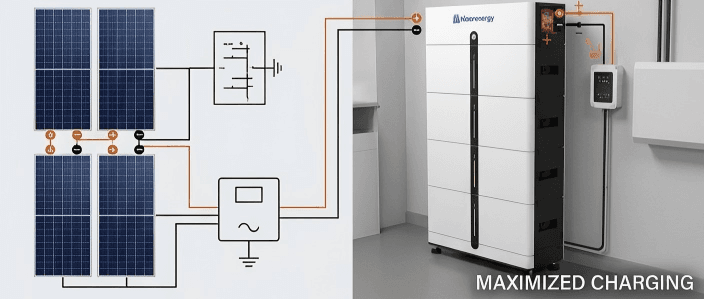
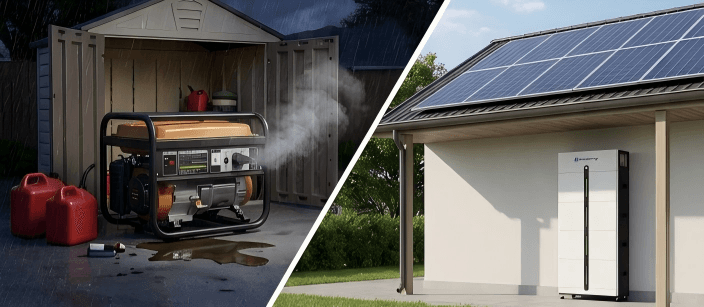
Once your residential energy storage battery is installed, you can employ several strategies to maximize its benefits. If your utility company offers time-of-use rates, configure your system to charge the battery during off-peak hours when electricity is cheaper and discharge it during peak hours to power your home, significantly reducing your energy bills. For homes with solar panels, the battery can store excess solar energy generated during the day for use at night or during cloudy periods, enhancing self-consumption of your clean energy. Beyond cost savings and solar optimization, your system provides invaluable backup power during grid outages, keeping essential appliances running and providing peace of mind. Regularly monitor your system’s performance through its status indicators (like SOC and ALM LEDs) or any connected monitoring software to ensure it's operating efficiently and to catch any potential issues early. This proactive approach helps in extending the lifespan and performance of your energy storage solutions.
Choosing a Reliable System for Your Home
Selecting the right residential energy storage is crucial, and models like the Hicorenergy I-BOX 48100R exemplify the kind of robust and intelligent design that homeowners should look for. Features such as its intuitive ON/OFF power switch, comprehensive LED indicators for power, run status, alerts, and state of charge, along with versatile CAN and RS485 communication ports, make monitoring and integration straightforward. The inclusion of an ADD expansion switch for scalability addresses future energy needs, while the durable rack-mount design with heavy-duty terminals ensures both secure installation and reliable power delivery. Such thoughtful engineering and a focus on user-friendly operation make these systems excellent choices for anyone serious about investing in dependable home battery systems.