The Future is Now: Advancing with Renewable Energy Storage Solutions
The transition towards a sustainable energy future is heavily reliant on the effective deployment of renewable energy sources like solar and wind. However, these sources are inherently intermittent, meaning they don't produce power around the clock. This is where advanced renewable energy storage solutions become crucial, bridging the gap between energy generation and consumption, ensuring a stable and reliable power supply. These systems are fundamental to maximizing the benefits of green energy, making them a cornerstone of modern energy infrastructure.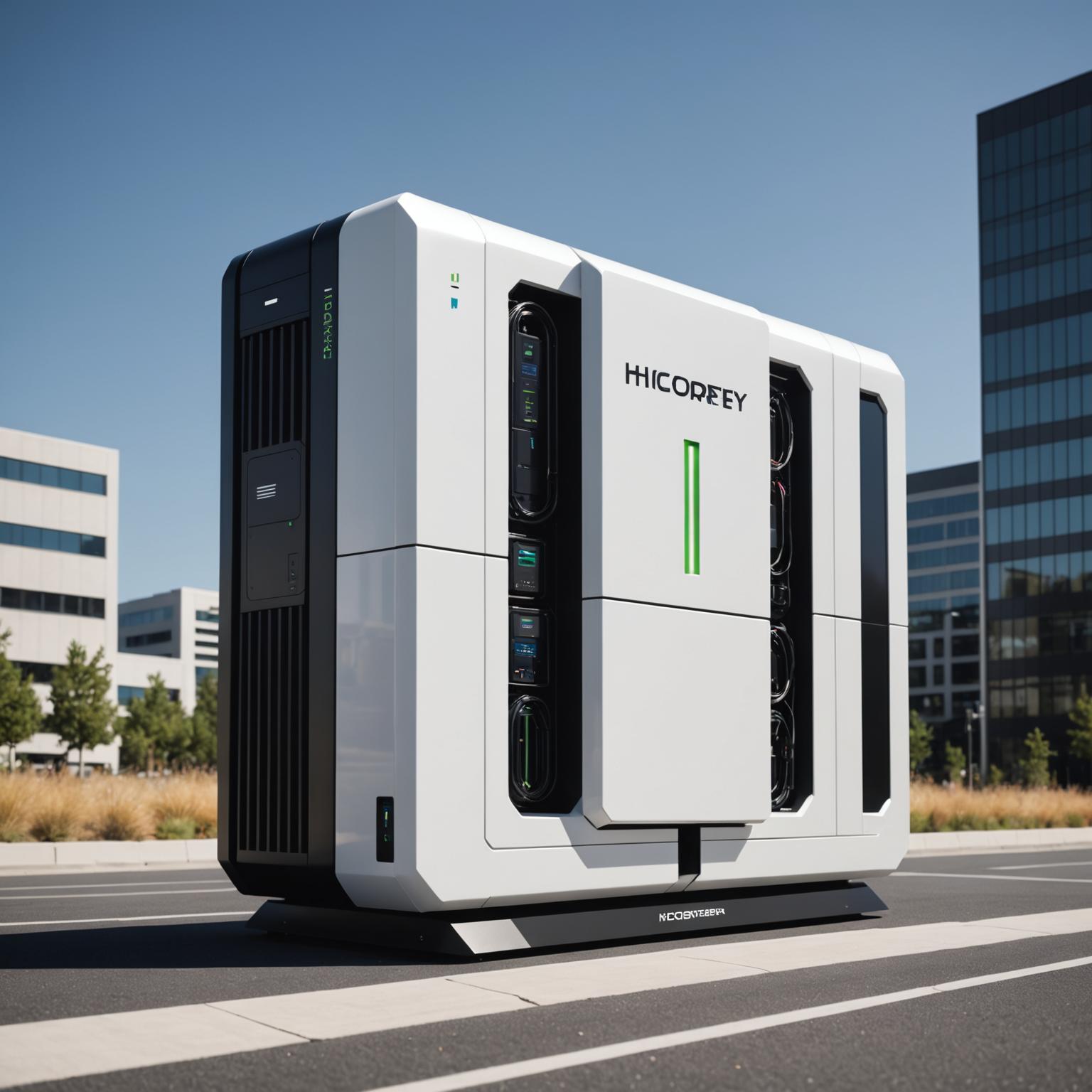
Understanding Energy Storage Systems
At the heart of a resilient renewable energy setup are sophisticated energy storage systems. These systems capture excess energy generated during peak production times—like sunny afternoons for solar or windy periods for turbines—and store it for later use. This stored energy can then be dispatched when renewable generation is low or demand is high, enhancing grid stability and reducing reliance on fossil fuels. The technology behind these systems varies, encompassing everything from mechanical methods to electrochemical batteries, each with unique advantages for different applications. The development of more efficient and cost-effective energy storage systems is a key driver in the global push towards decarbonization, allowing for greater penetration of renewable resources into our energy mix.
The Revolution of Battery Storage for Renewable Energy
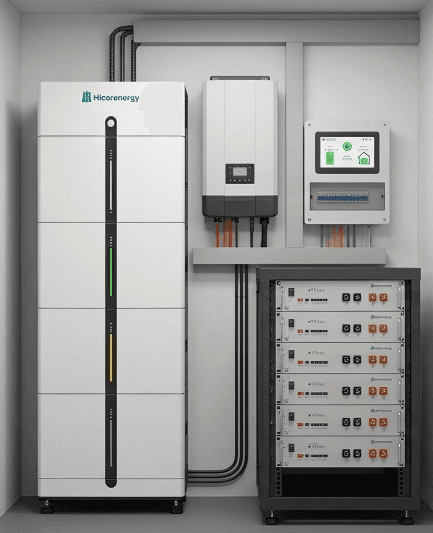
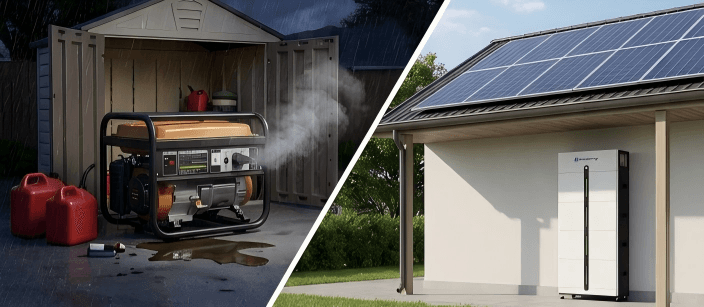
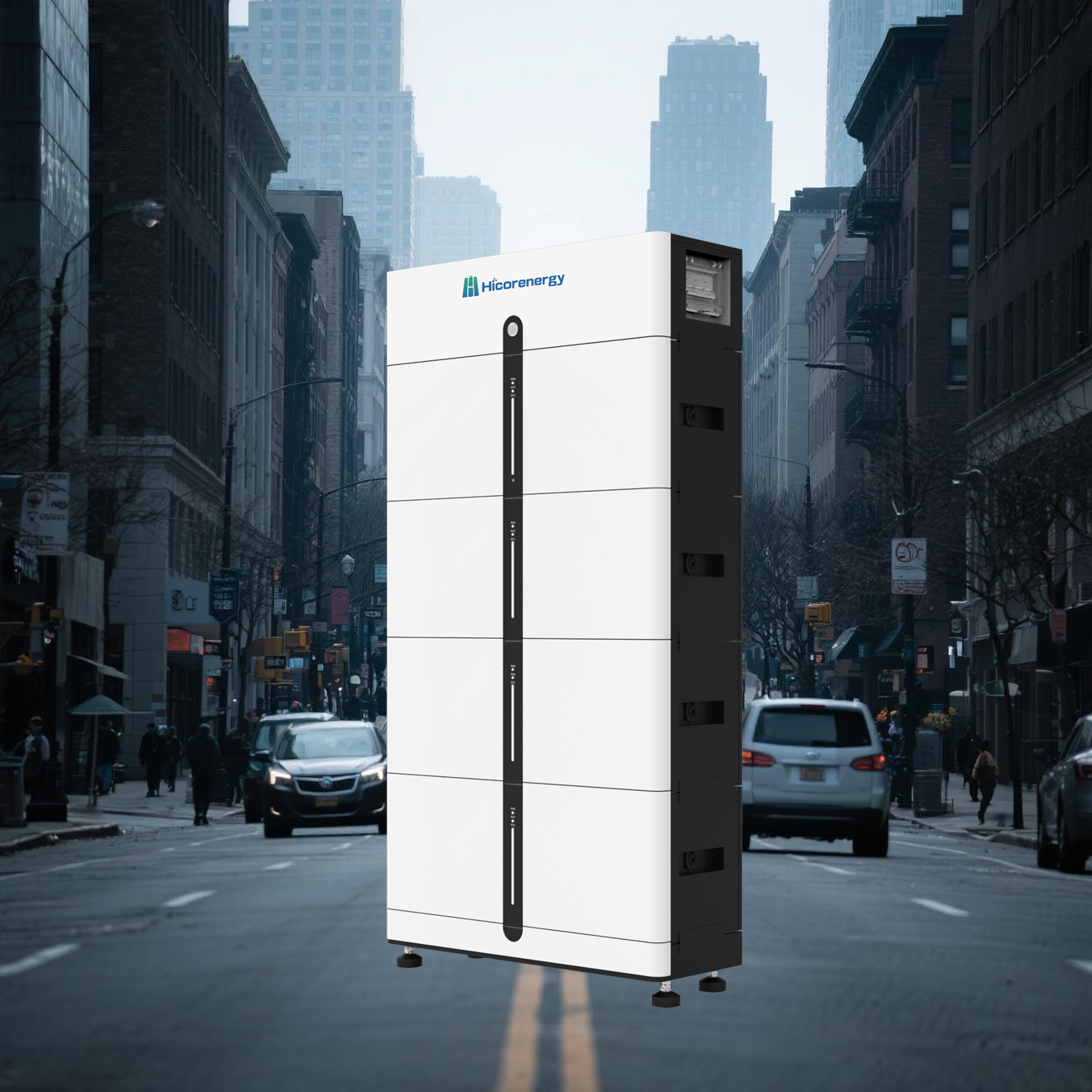
Among the various storage technologies, battery storage for renewable energy has emerged as a leading solution, particularly for residential, commercial, and grid-scale applications. Lithium-ion batteries, for example, offer high energy density, long cycle life, and decreasing costs, making them increasingly attractive. These systems can provide rapid response ancillary services to the grid, backup power during outages, and enable consumers to optimize their energy usage by storing low-cost or self-generated renewable energy. Companies like Ningbo Hicorenergy Co., Ltd. are at forefront of this revolution, offering innovative solutions. Their HiCorenergy Modular Energy Storage System, for instance, is designed for scalability and efficiency. Its advanced battery technology ensures robust storage and discharge capabilities, making it ideal for managing fluctuating renewable energy sources. The modular, stackable design allows users to adapt their storage capacity to evolving needs, a critical feature for both homes and businesses aiming for energy independence.
Maximizing Solar Power with Solar Energy Storage
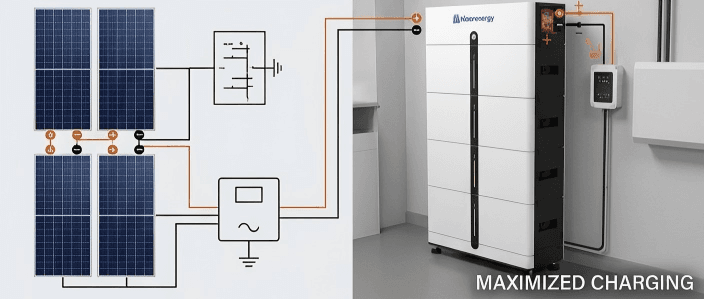
Solar energy storage is becoming an indispensable component for anyone looking to fully leverage their solar panel installations. Without storage, excess solar power generated during the day is often fed back to the grid, sometimes at low compensation rates, or simply wasted if the grid cannot accept it. With a dedicated solar energy storage system, this surplus energy can be stored directly on-site. This means homeowners and businesses can use their own clean energy during evenings or cloudy days, drastically reducing electricity bills and increasing self-sufficiency. The HiCorenergy Modular Energy Storage System, with its high-performance battery cells and integrated LED indicators for real-time status updates, offers a seamless solution for optimizing solar energy. Its durable build and compact footprint make it a practical addition to any solar setup, contributing to a reduced carbon footprint.
Taming the Turbines: Efficient Wind Energy Storage
Wind energy, much like solar, is subject to variability. Wind turbines generate power only when the wind blows, which doesn't always coincide with periods of high energy demand. This intermittency can pose challenges for grid operators and consumers alike. Wind energy storage solutions play a vital role in smoothing out these fluctuations, storing excess power when generation is high and releasing it when the wind dies down. This ensures a more consistent and reliable power supply from wind resources. While various technologies can be applied, battery systems are gaining traction due to their responsiveness and scalability. The adaptability of advanced systems like the HiCorenergy unit means they can be configured to meet the specific demands of harnessing wind power, providing reliable backup and contributing to grid stability in areas with significant wind generation capacity.
HiCorenergy: Leading Innovation in Energy Independence
Ningbo Hicorenergy Co., Ltd. exemplifies the innovation driving the renewable energy storage market. Their HiCorenergy Modular Energy Storage System is a testament to this, combining cutting-edge technology with a sleek, user-friendly design. Key features such as its modular scalability—allowing users to simply add another module to increase capacity—and advanced safety mechanisms address the core needs of modern energy consumers. The integrated LED display offers intuitive access to status indicators, while the durable, compact design ensures it fits seamlessly into various environments, from homes to commercial operations. By focusing on robust performance, longevity, and efficient management of renewable sources like solar, HiCorenergy empowers users to achieve greater energy independence and contribute to a greener planet. Their commitment to versatile applications and integration with clean energy solutions positions them as a key player in making renewable energy storage solutions accessible and effective. For those looking to invest in the future of energy, exploring solutions from pioneers like Ningbo Hicorenergy Co., Ltd. is a step in the right direction.
The Path to a Sustainable Energy Ecosystem
The journey towards a fully sustainable energy ecosystem is complex, but the advancements in renewable energy storage solutions are significantly paving the way. By enabling the consistent and reliable use of intermittent power sources, these technologies are crucial for reducing our dependence on fossil fuels and mitigating climate change. From large-scale grid applications to individual homes enhancing their solar energy storage, the impact is profound. As innovation continues and costs decline, the widespread adoption of systems like battery storage for renewable energy will accelerate, bringing us closer to a cleaner, more resilient energy future. The synergy between renewable generation and effective storage, including both solar and wind energy storage, is transforming how we produce and consume energy worldwide.