Embracing Energy Independence
Living independently from the traditional electrical grid is no longer a distant dream but a tangible reality, thanks to sophisticated off-grid power systems. These self-sufficient setups provide reliable electricity to homes, businesses, and industrial facilities in remote locations or for those who simply wish to disconnect from utility providers. By harnessing the power of nature, these systems offer a sustainable and resilient alternative, granting users complete control over their energy generation and consumption. The core principle is simple: generate your own power, store it for when you need it, and enjoy uninterrupted energy freedom, regardless of external grid stability.
The Foundation: Renewable Energy Solutions
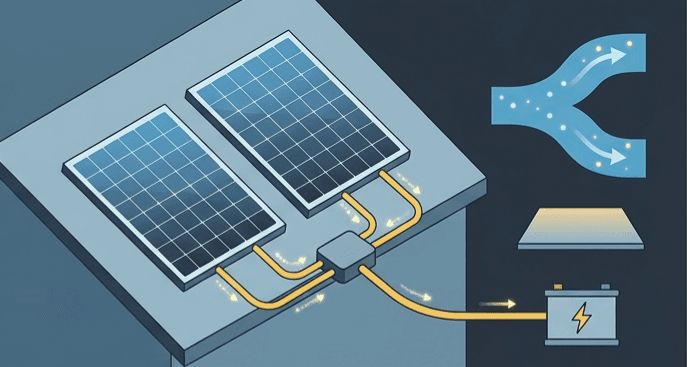
At the heart of any modern off-grid system are renewable energy solutions. Most commonly, this involves harnessing solar power through photovoltaic (PV) panels or capturing wind energy with turbines. These technologies convert natural resources—sunlight and wind—into clean, usable electricity. The choice of generation source often depends on the geographic location and its specific climate conditions. A well-designed system will maximize energy capture during peak times, such as sunny days or windy afternoons, to power the property's immediate needs while also producing a surplus to be stored for later use. This approach not only ensures a consistent power supply but also significantly reduces the user's carbon footprint, aligning with a global push towards sustainability.
The Critical Role of Battery Storage
Energy generation is only half of the equation; effective storage is what makes an off-grid lifestyle truly viable. Advanced battery storage solutions are the linchpin of a successful system, acting as a personal energy reservoir. They store the excess electricity generated by solar panels or wind turbines during the day, making it available for use at night, on overcast days, or during periods of low wind. Without a reliable storage component, the power supply would be intermittent and unpredictable. The evolution of battery technology has led to more efficient, durable, and scalable options, making it easier than ever to build a system that perfectly matches a property's unique energy demands.
Hicorenergy: Redefining Off-Grid Capabilities
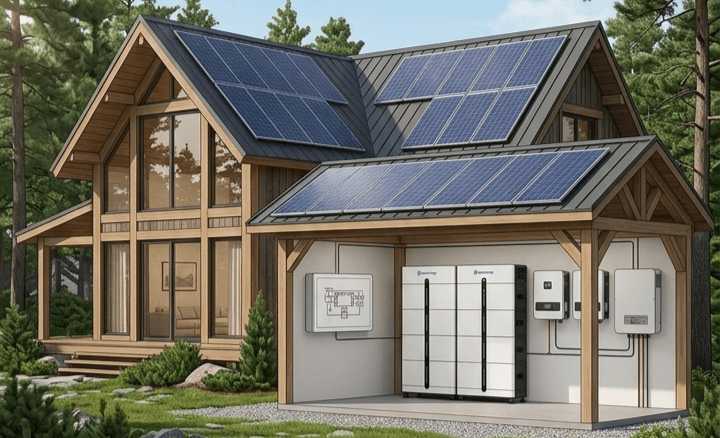
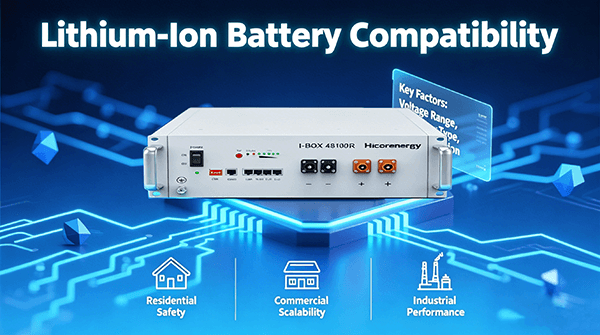
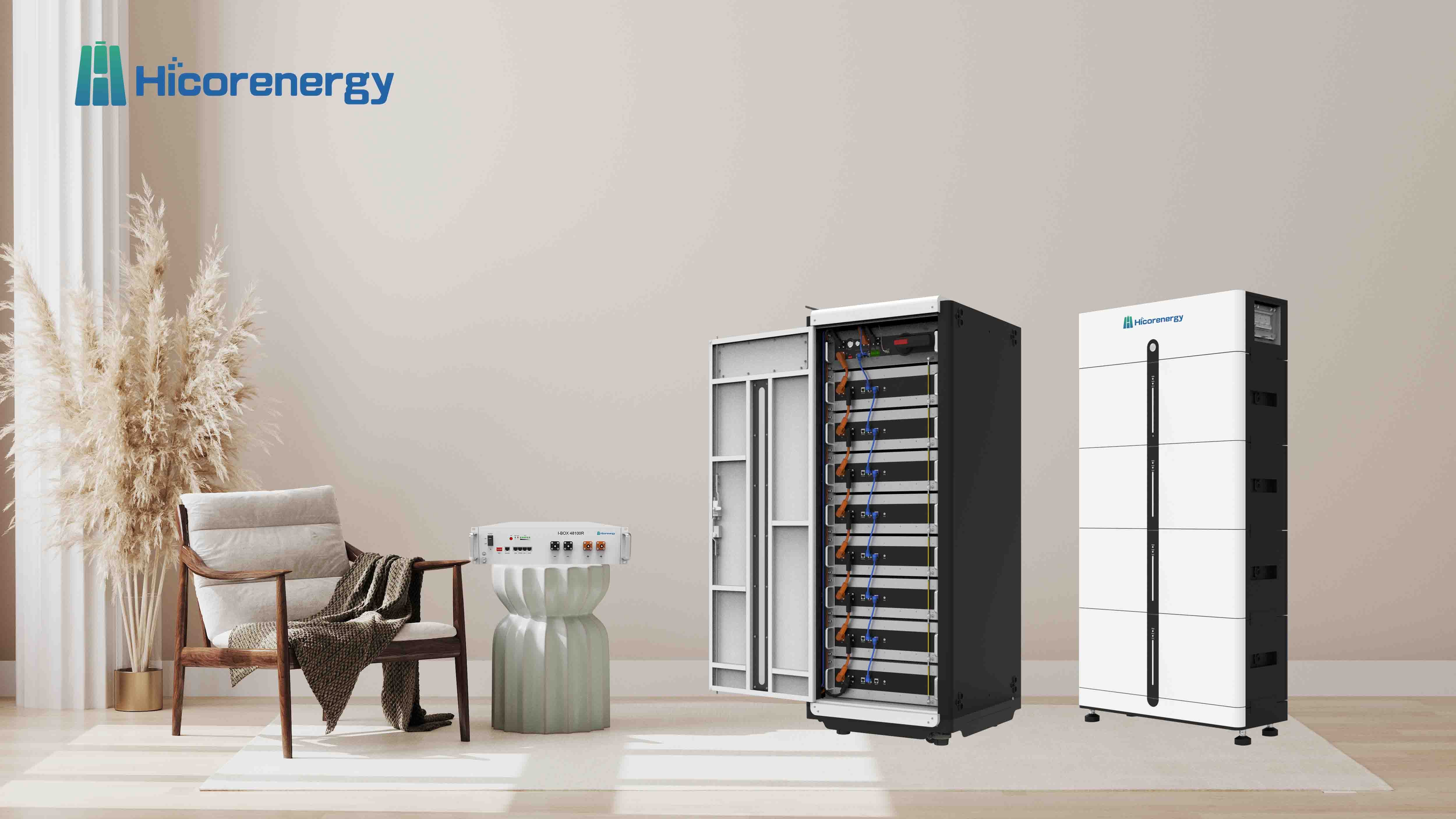
Hicorenergy is at the forefront of this technological evolution with its cutting-edge energy management products. The Hicorenergy Power Solutions, featuring the I-BOX 48100R unit, represent a significant leap forward for battery storage solutions. The I-BOX is expertly crafted to manage and store power with remarkable efficiency. Its sleek, white casing and thoughtfully designed front panel with easy-to-read indicators and multiple connection ports ensure seamless integration into any off-grid power systems. This unit works in harmony with a robust, modular vertical storage system, which can be scaled to store vast amounts of energy. This adaptability makes Hicorenergy's offering ideal for a wide range of applications, from a small residential cabin to a large commercial operation, providing a future-proof foundation for energy independence.
The Advantages of a Self-Sufficient System
The benefits of investing in off-grid power systems extend beyond simple utility independence. Users gain resilience against widespread power outages caused by storms or grid failures. They also achieve long-term financial savings by eliminating monthly electricity bills and protecting themselves from rising utility costs. Furthermore, by relying on renewable energy solutions, users actively contribute to a healthier planet. The combination of clean generation and sophisticated storage, as exemplified by Hicorenergy's harmonious components, offers a powerful, elegant, and responsible way to manage energy. This fusion of technology and sustainability is redefining how we harness and utilize power, making a self-sufficient future more accessible than ever before.