As the global demand for reliable energy storage solutions continues to surge, particularly in commercial and industrial sectors, the focus on optimizing battery performance and lifespan has never been more critical. A key challenge in high-capacity battery systems is thermal management. Excessive heat can significantly degrade battery health, reduce efficiency, and pose serious safety risks. To address this, the industry is increasingly turning to advanced solutions like the Liquid Cooling Battery Cabinet, a technology designed to maintain optimal operating temperatures for maximum performance and longevity.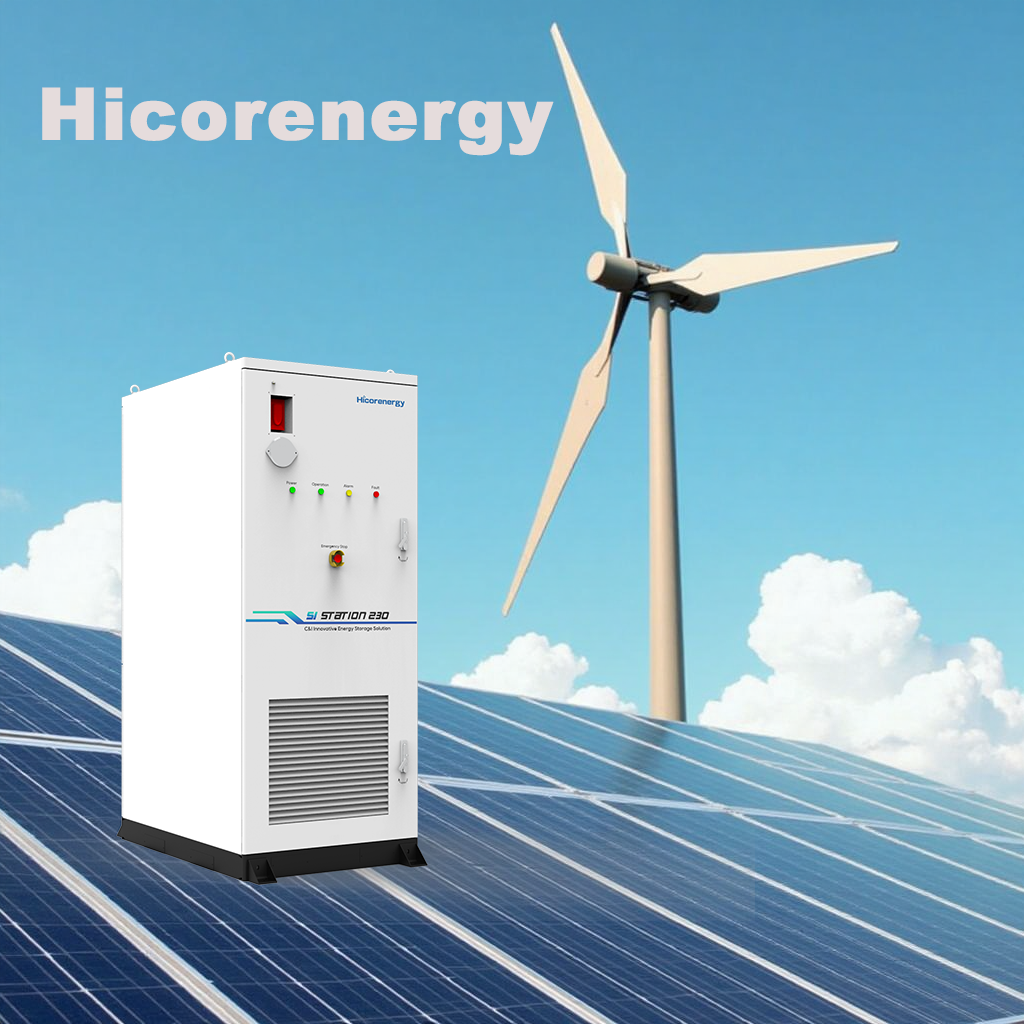
The Importance of Advanced Thermal Management
Effective temperature control is paramount for the health of any battery energy storage system (BESS). Traditional air cooling methods, while simpler, often struggle to provide uniform cooling, leading to hot spots within the battery pack that can accelerate cell degradation and create imbalances. This is where Liquid Cooled Battery Systems offer a significant advantage. By using a liquid coolant to absorb and dissipate heat directly from the battery modules, these systems can manage thermal loads far more effectively than air-based counterparts, ensuring every cell operates within its ideal temperature range.
How Battery Cabinet Cooling Technology Works
The core principle behind Battery Cabinet Cooling Technology is its superior heat transfer capability. In a typical setup, a dielectric coolant is circulated through a network of pipes or cold plates that are in direct contact with the battery modules. This liquid absorbs the heat generated during charge and discharge cycles and transports it away to a radiator or heat exchanger, where it is released into the ambient environment. This closed-loop process is highly efficient, allowing for precise temperature regulation, which is crucial for preventing thermal runaway and extending the operational life of the battery system. This technology enables more compact and power-dense designs, as less space is required for airflow compared to traditional cooling methods.
Key Advantages of Liquid Cooled Systems
Adopting a Liquid Cooling Battery Cabinet provides a multitude of benefits. The most significant is the enhancement of battery lifespan and performance. By maintaining a stable and uniform temperature, these systems minimize cell degradation, allowing the battery to complete more cycles over its lifetime. Safety is also greatly improved, as the risk of overheating is drastically reduced. Furthermore, Liquid Cooled Battery Systems operate more quietly and efficiently, consuming less auxiliary power than the large fans required for air cooling. This leads to a lower overall operational cost and a higher net energy output, making it an economically sound choice for large-scale deployments.
Innovations Driving Commercial and Industrial Energy Storage
Leading manufacturers are integrating this advanced thermal management to push the boundaries of energy storage. Cutting-edge units, such as the Si Station 230 and Si Station 186, are prime examples of this innovation in action. Designed for demanding commercial and industrial applications, these stations leverage sophisticated Battery Cabinet Cooling Technology to ensure reliability and efficiency under heavy loads. The ability to manage heat effectively allows these systems to offer high-capacity, dependable power for businesses aiming to optimize their energy management and embrace sustainability. The future of powerful and resilient energy storage undoubtedly relies on the superior thermal performance provided by these advanced cooling solutions.