The Crucial Role of Renewable Energy Storage Solutions
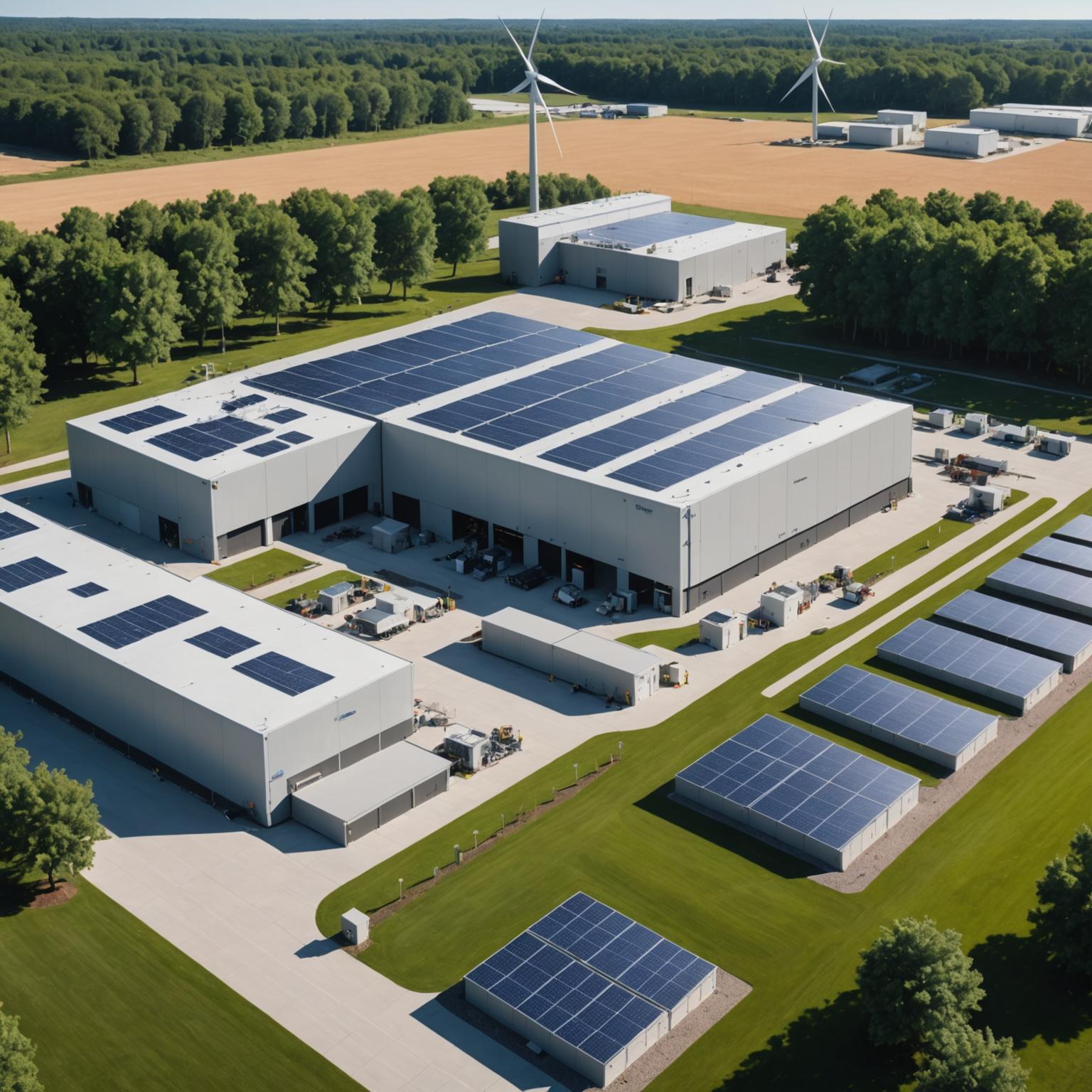
The transition towards a sustainable energy future is heavily reliant on the effective integration of renewable energy sources like solar and wind power. However, these sources are inherently intermittent – the sun doesn't always shine, and the wind doesn't always blow. This is where advanced renewable energy storage solutions become indispensable. They act as a critical bridge, capturing surplus energy during peak generation times and dispatching it when demand is high or generation is low. Without robust storage, the full potential of renewable energy cannot be realized, making it a cornerstone technology for grid stability, energy independence, and a cleaner planet.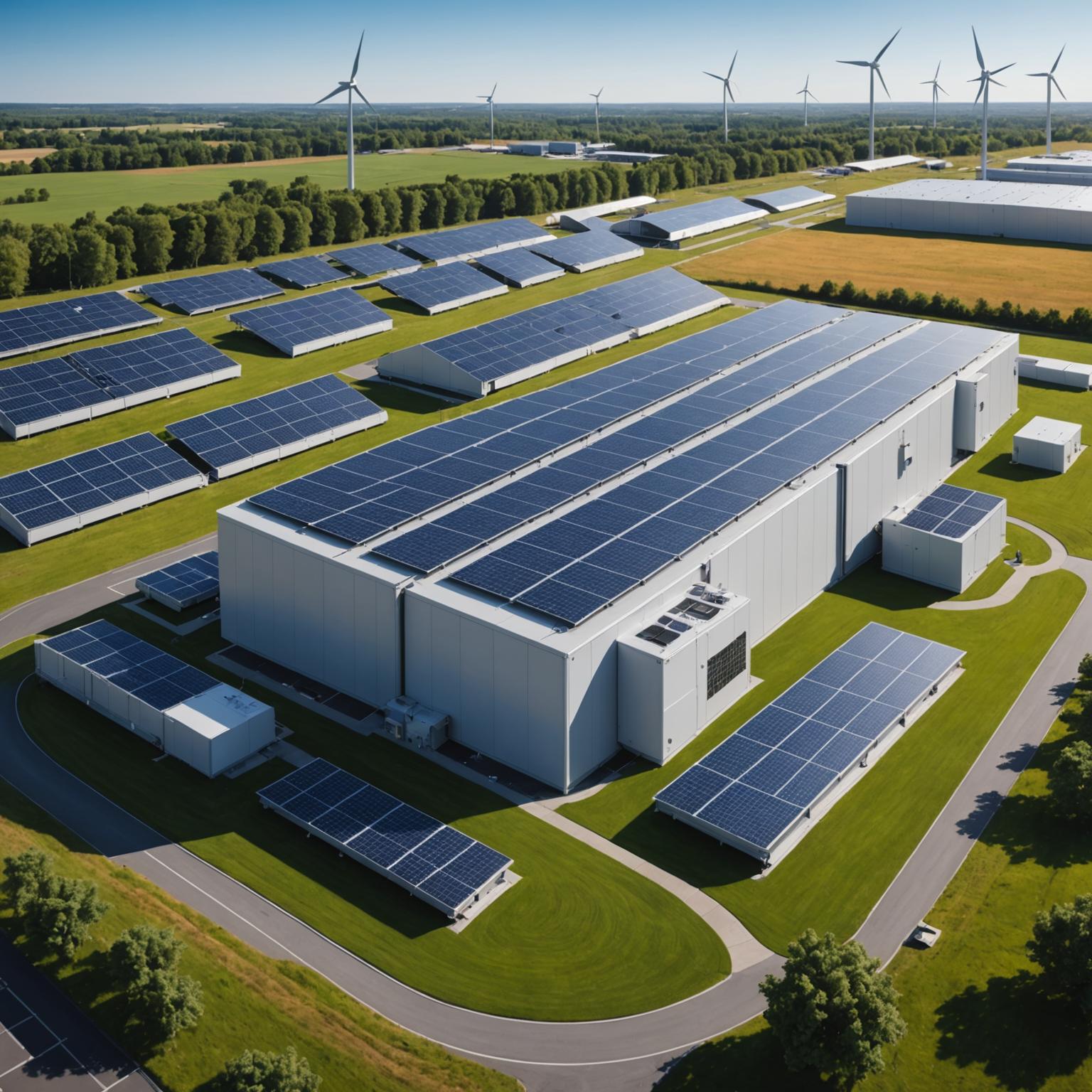
Diving Deeper into Energy Storage Systems
At the heart of managing renewable energy are sophisticated energy storage systems. These systems encompass a variety of technologies designed to store electrical energy so it can be used at a later time. While historically, pumped hydro storage was dominant, recent advancements have brought other technologies to the forefront, particularly battery-based systems. These systems vary in capacity, discharge duration, and application, but their core function remains the same: to enhance the reliability and flexibility of our power supply. Modern energy storage systems are becoming increasingly intelligent, incorporating advanced management software to optimize charging and discharging cycles, thus maximizing efficiency and lifespan.
Battery Storage: Powering a Renewable Future
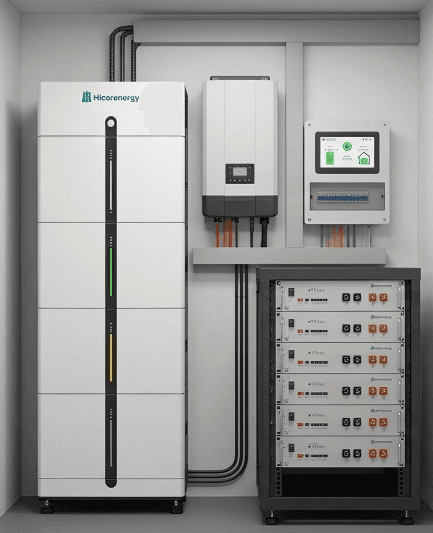
The development of high-capacity, efficient batteries has revolutionized how we think about energy. Specifically, battery storage for renewable energy is a game-changer, offering scalable and deployable solutions for residential, commercial, and utility-scale applications. Lithium-ion batteries, for example, have seen significant improvements in energy density, cost-effectiveness, and safety. Companies like Hicorenergy are pushing the boundaries with innovative designs, such as their modular Energy Storage System. Features like a stackable architecture allow users to customize storage capacity, while an advanced Battery Management System (BMS) ensures optimal performance and safety by preventing overcharging or undercharging and regulating temperature. This makes battery storage a versatile and increasingly popular choice.
Maximizing Solar Power with Effective Solar Energy Storage
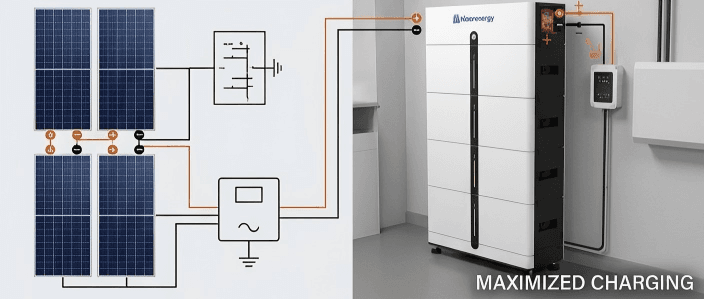
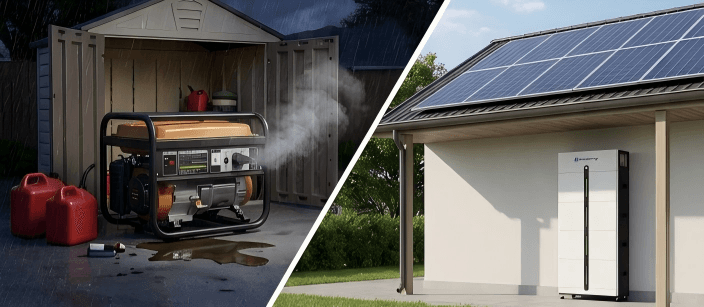
Solar panels are a common sight on rooftops and in large-scale farms, but their output is directly tied to sunlight availability. Solar energy storage solutions, typically in the form of battery systems, allow homeowners and businesses to store excess solar power generated during the day for use at night or during cloudy periods. This not only increases self-consumption of solar energy but also provides backup power during grid outages and can help reduce electricity bills by avoiding peak demand charges. The Hicorenergy system, for instance, is perfectly suited for solar integration, enabling users to transform intermittent solar power into a reliable, on-demand energy source. Its smart connectivity features further allow for remote monitoring and control, making solar energy storage more convenient than ever.
Optimizing Wind Energy through Advanced Storage
Similar to solar, wind energy is a powerful renewable resource, but its generation can be unpredictable. Wind energy storage plays a vital role in smoothing out the fluctuations in power output from wind turbines. By storing energy during periods of high wind and releasing it when the wind subsides, these storage systems help ensure a consistent supply of electricity to the grid or for direct consumption. This is crucial for grid stability, especially as the penetration of wind power increases. Robust energy storage systems, capable of handling variable charging rates and providing long-duration discharge, are key. The reliability and durable build quality of systems like the Hicorenergy battery, designed to handle various conditions, make them suitable companions for wind energy projects, contributing to a more resilient power infrastructure.
Innovations Driving the Future of Energy Storage
The field of renewable energy storage solutions is constantly evolving, driven by ongoing research and development. Innovations are focused on increasing energy density, extending lifespan, improving safety, and reducing costs. Smart features, such as the integrated status panels and advanced BMS found in the Hicorenergy system, are becoming standard, offering users greater control and insight into their energy usage. Furthermore, the modular design philosophy allows for scalability, ensuring that energy storage systems can adapt to growing energy demands. These advancements are critical for making renewable energy a more viable and primary source of power globally, paving the way for a future where energy is not only clean but also consistently available.
Embracing a Sustainable Energy Future
Renewable energy storage solutions are more than just a technological advancement; they are a fundamental component of our journey towards a sustainable and resilient energy future. By addressing the intermittency of renewable sources like solar and wind, energy storage systems enhance grid stability, empower consumers with energy independence, and accelerate the global transition away from fossil fuels. The continued development and adoption of technologies like advanced battery storage for renewable energy, exemplified by comprehensive solutions such as the Hicorenergy Energy Storage System, will undoubtedly play a pivotal role in creating a cleaner, more reliable, and economically sound energy landscape for generations to come.