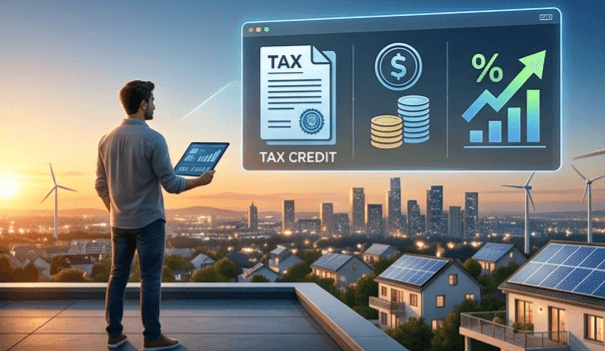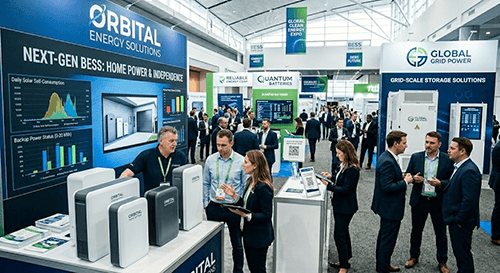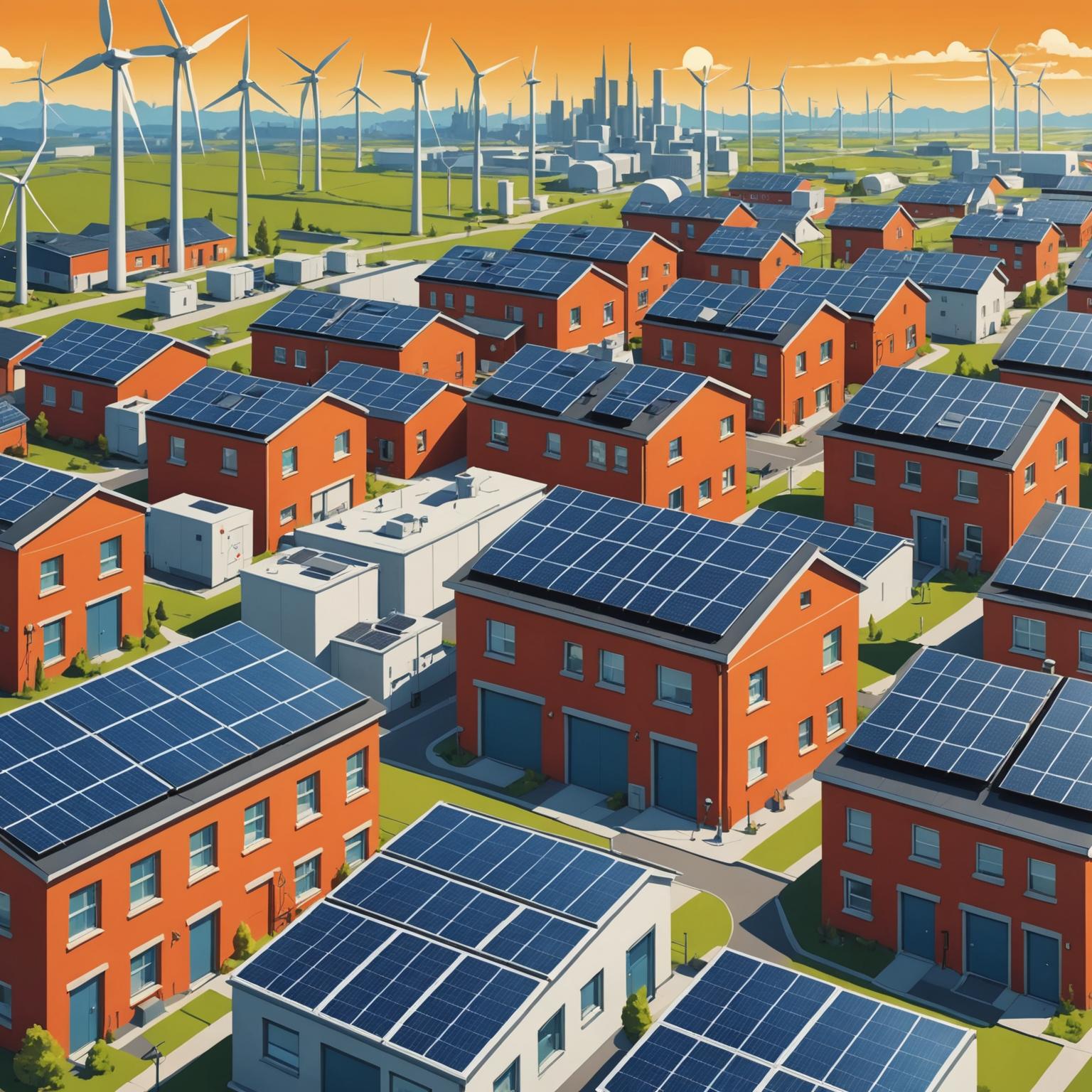
The global shift towards a sustainable future is heavily reliant on the adoption of renewable energy sources. However, the intermittent nature of renewables like solar and wind power presents a significant challenge: providing consistent and reliable energy. This is where advanced renewable energy storage solutions come into play, revolutionizing how we capture, store, and utilize clean energy, ensuring power availability when and where it's needed most. These systems are not just accessories but fundamental components of a modern, resilient energy infrastructure.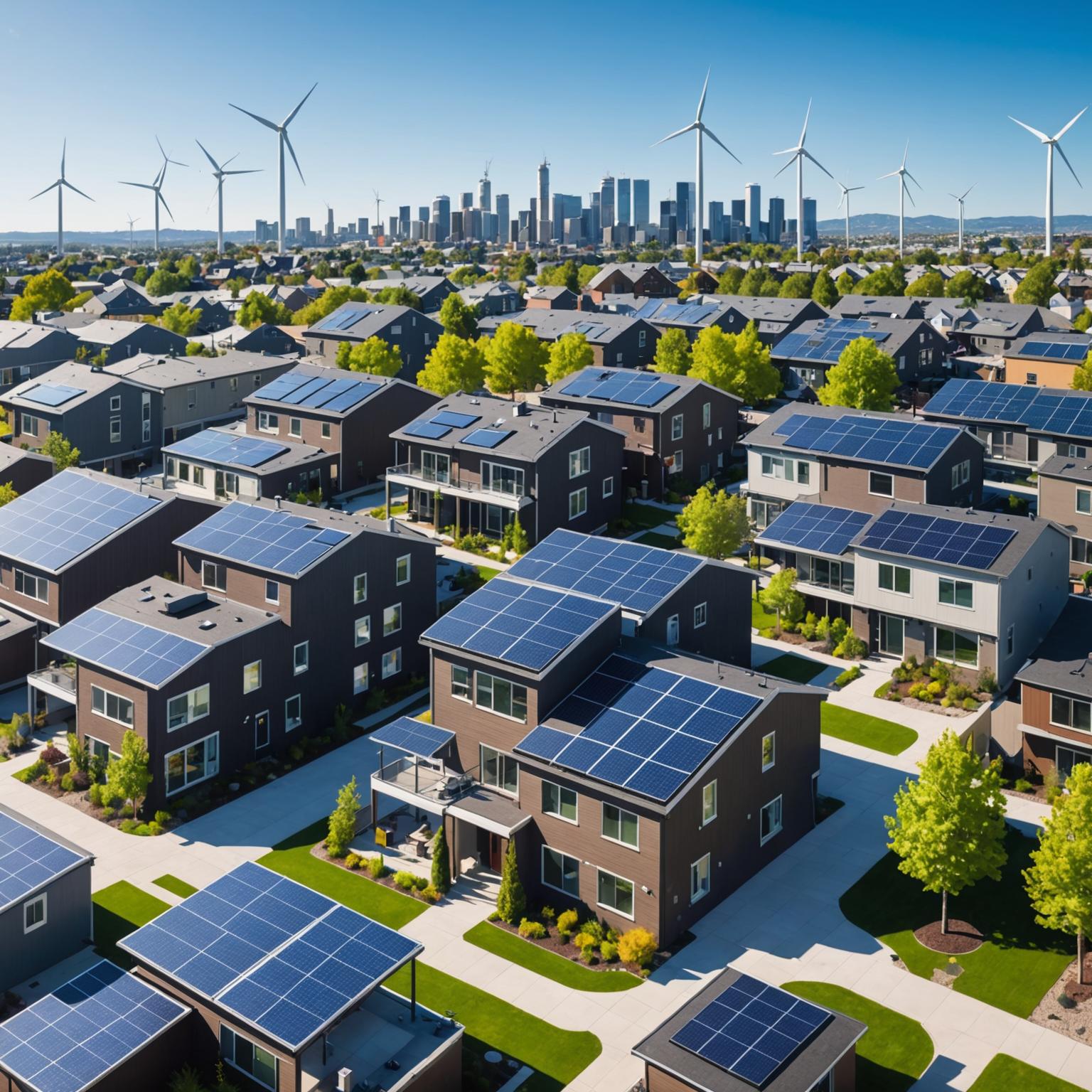
The Crucial Role of Energy Storage Systems
At their core, energy storage systems are designed to accumulate energy generated from various sources and discharge it when required. For renewable energy, this means capturing surplus power produced during peak generation times (e.g., sunny days for solar, windy periods for wind turbines) and storing it for use during periods of low generation or high demand. This capability is vital for grid stability, reducing reliance on fossil fuel peaker plants, and enabling greater penetration of renewables into the energy mix. Modern energy storage systems, like those offered by innovative companies such asNingbo Hicorenergy Co., Ltd.,encompass a range of technologies, with battery-based solutions leading the charge due to their versatility and declining costs. These systems are pivotal in making renewable energy a dependable primary power source.
Advancements in Battery Storage for Renewable Energy
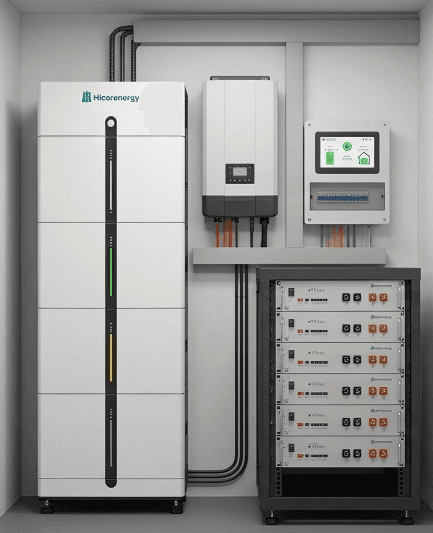
Battery storage for renewable energy has emerged as a particularly effective and popular solution. Lithium-ion batteries, similar to those powering electric vehicles and consumer electronics, are now widely adapted for stationary energy storage due to their high energy density, long cycle life, and increasing affordability. When integrated with renewable energy installations, these batteries store excess electricity, transforming intermittent power sources into a more dispatchable and reliable asset. For instance, the HicorEnergy Modular Energy Storage System and the Hicorenergy Smart Battery Storage System exemplify cutting-edge battery technology. These systems offer modular scalability, allowing users to expand their storage capacity as their needs grow. They feature high efficiency, smart performance monitoring, and robust construction, making battery storage for renewable energy a practical choice for both residential and commercial applications, thereby ensuring a consistent power supply from energy storage systems.
Optimizing Solar Energy Storage for Homes and Businesses
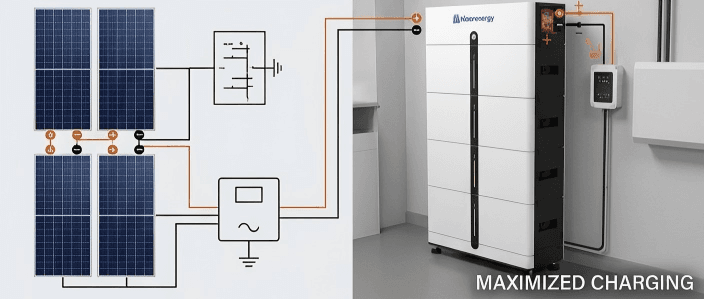
Solar energy generation is most abundant during daylight hours, which may not always coincide with peak energy consumption. Solar energy storage systems address this mismatch by capturing surplus solar power generated during the day for use in the evenings or during cloudy periods. This significantly enhances the self-consumption of solar energy, reducing reliance on the grid and lowering electricity bills. The HicorEnergy Battery System, for example, seamlessly integrates with solar panel installations. Its smart indicators provide real-time feedback on operational status, state of charge, and overall system health. By investing in solar energy storage, homeowners and businesses can achieve greater energy independence, improve their energy security, and contribute to a more sustainable energy ecosystem. These sophisticated systems make solar power a more viable and efficient option around the clock.
The Importance of Wind Energy Storage
Similar to solar, wind energy is inherently variable, with output fluctuating based on wind speed and consistency. Wind energy storage plays a critical role in smoothing out these fluctuations, ensuring a more stable and predictable power supply from wind turbines. By storing excess energy generated during high winds, these systems can dispatch power during lulls or when demand spikes, enhancing the grid compatibility of wind power installations. While the HicorEnergy systems are highlighted for solar integration, their underlying technology as robust energy storage systems can equally support wind energy storage applications. Effective wind energy storage helps to balance the grid, reduce curtailment (the intentional reduction of energy output when generation exceeds demand or transmission capacity), and maximize the economic benefits of wind power projects.
Key Attributes of Advanced Renewable Energy Storage Solutions
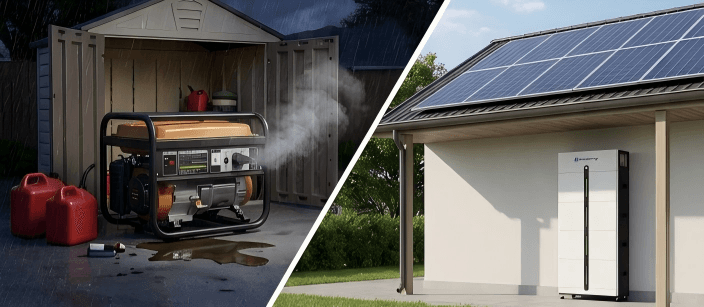
Modern renewable energy storage solutions, such as those developed by Ningbo Hicorenergy Co., Ltd., are defined by more than just capacity; they incorporate a suite of advanced features. The HicorEnergy systems showcase modularity, allowing users to easily scale their storage from residential to small commercial or even industrial support needs. High efficiency is achieved through advanced lithium battery chemistry, ensuring minimal energy loss during charge and discharge cycles. User-friendly monitoring, often via intuitive LED displays or smart apps, provides real-time insights into system performance, state of charge, and alerts, empowering users with control over their energy usage. Furthermore, robust construction ensures durability and resilience against environmental factors, whether installed indoors or outdoors. Sustainability is at the heart of these designs, supporting clean energy initiatives and offering reliable power during outages. For those considering these advanced systems, reaching out toinfo@hicorpower.comor WhatsApp +86 18106663226 can provide tailored information for specific needs.
Embracing the Future with Intelligent Energy Storage
The transition to a renewable energy-dominated future is not just a possibility but a growing reality, thanks in large part to advancements in renewable energy storage solutions. These systems, particularly sophisticated battery storage for renewable energy, are critical for overcoming the intermittency challenges of sources like solar and wind. By enabling efficient solar energy storage and stable wind energy storage, they pave the way for greater energy independence, reduced carbon footprints, and enhanced grid stability. Companies like Ningbo Hicorenergy Co., Ltd. are at the forefront, offering intelligent and scalable energy storage systems that meet the evolving demands of modern energy consumers. Investing in these technologies is an investment in a cleaner, more resilient, and sustainable energy future for all.