The dream of energy independence is becoming a tangible reality for many homeowners and businesses, thanks to the evolution of off-grid power systems. These sophisticated setups provide a reliable and sustainable alternative to traditional utility grids, empowering users to take control of their energy generation and consumption. By decoupling from the grid, individuals can achieve greater resilience against outages, reduce their environmental impact, and potentially lower their long-term energy costs, all while embracing a more self-sufficient lifestyle.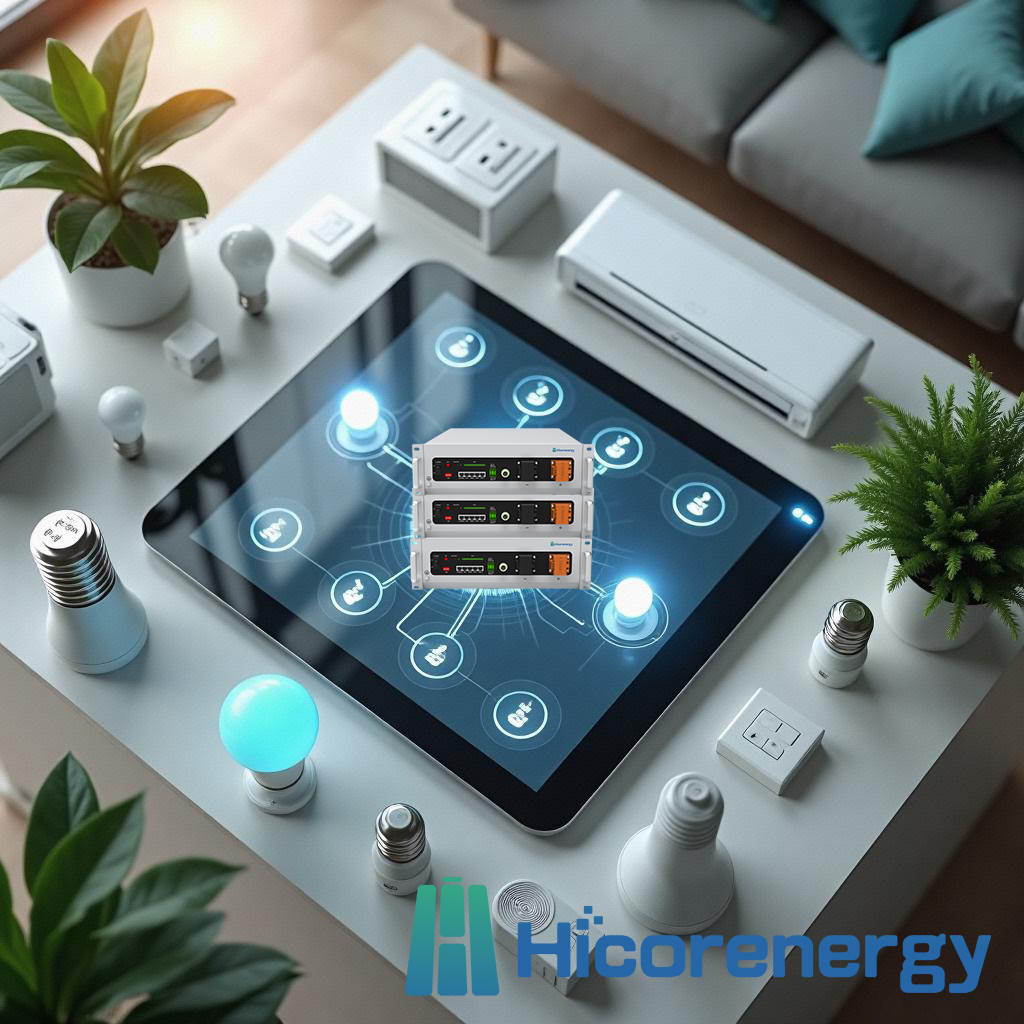
The Foundation: Harnessing Nature's Power
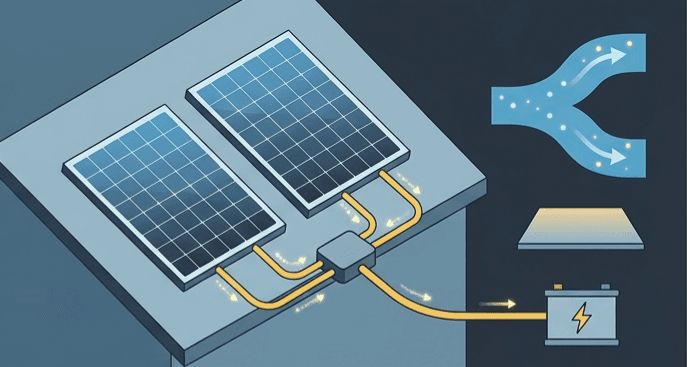
The journey to energy independence begins with capturing power from the environment. Modern renewable energy solutions, primarily solar panels and wind turbines, form the foundation of any off-grid installation. Solar panels convert sunlight directly into electricity, offering a silent and low-maintenance power source, while wind turbines harness kinetic energy from the wind. The choice between them, or the decision to use both, depends on the specific climate and geographical location. These technologies are the clean, green engines that generate the raw power needed to run a home or business, tapping into abundant natural resources to create electricity without producing harmful emissions.
The Heart of Independence: Advanced Energy Storage
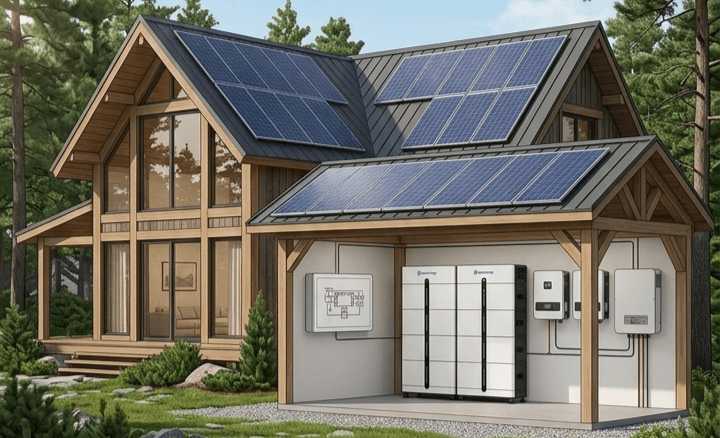
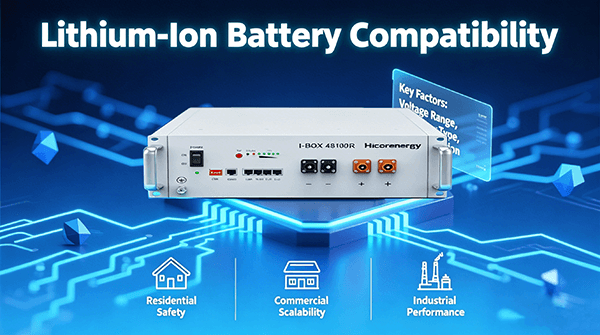
Generating power is only half the equation; storing it for later use is what makes an off-grid system truly viable. This is where advanced battery storage solutions become the critical heart of the entire setup. For power to be available at night, on cloudy days, or during periods of low wind, it must be stored efficiently and safely. Companies like Hicorenergy are at the forefront of this technology, offering products designed for this exact purpose. The I-BOX 48100R, for example, is engineered for optimal efficiency and seamless integration, ensuring that every kilowatt-hour captured is stored effectively. For those with dynamic or growing energy needs, modular rack systems provide scalability, allowing users to expand their storage capacity as required. These systems not only promise high-density energy storage but also combine form with function, as seen in contemporary battery stacks that are both aesthetically pleasing and technologically advanced, featuring superior safety and longevity through smart battery management.
Seamless Integration for a Reliable System
An effective off-grid power system is more than just a collection of components; it is a seamlessly integrated ecosystem where generation, storage, and consumption work in harmony. The intelligence of the system lies in its ability to manage energy flow efficiently. Advanced inverters and charge controllers act as the brains of the operation, directing electricity from solar panels or wind turbines to either power appliances directly or charge the batteries. Modern solutions, like those offered by Hicorenergy, come with smart monitoring features that give users clear insight into their energy production and usage. This level of control ensures that the stored energy is used optimally, maximizing the system's reliability and extending the life of the components, providing a steady and uninterrupted power supply around the clock.
Embracing a Sustainable Energy Future
Ultimately, choosing to install an off-grid power system is a powerful statement about sustainability and self-reliance. By combining state-of-the-art renewable energy solutions for generation with cutting-edge battery storage solutions for reliability, anyone can build a robust and independent power source. This approach not only provides protection from grid instability but also actively contributes to a healthier planet by reducing reliance on fossil fuels. As technology continues to advance, the path to energy independence becomes more accessible, offering a future where clean, sustainable power is in the hands of the consumer.