The landscape of energy storage is rapidly evolving, with the low voltage battery emerging as a cornerstone technology for a sustainable future. These systems are becoming increasingly integral to both residential and commercial energy management, offering a safe, efficient, and flexible way to store power generated from renewable sources like solar and wind. By operating at lower, safer voltages, they provide a user-friendly solution for harnessing clean energy, reducing reliance on the traditional grid, and lowering electricity bills. As we move towards a smarter energy ecosystem, understanding the role of these batteries is more important than ever.
Why Choose a Low Voltage Lithium Battery?
At the heart of this revolution is the low voltage lithium battery, a solution prized for its superior performance, longevity, and high energy density. Unlike traditional battery chemistries, lithium-ion technology allows for deeper discharge cycles, a longer lifespan, and greater efficiency, meaning less energy is lost during storage and retrieval. This technology is not only powerful but also inherently safer, with advanced battery management systems (BMS) that protect against overcharging, overheating, and short circuits. Its compact and lightweight nature makes it ideal for a wide range of applications, from sleek home units to large-scale industrial setups.
Empowering Homes with Smart Energy
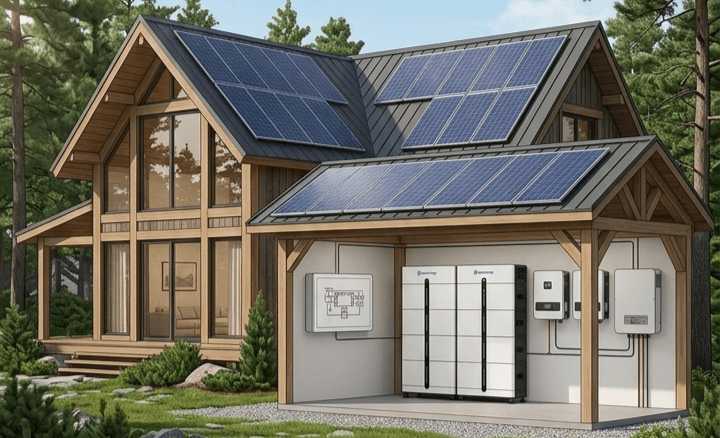
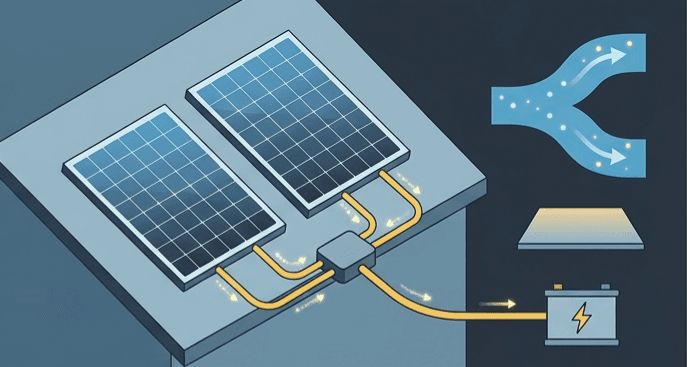
For homeowners, the transition to renewable energy is more accessible than ever, thanks to advanced low voltage battery systems. Modern solutions, such as HicorEnergy’s modular residential energy storage unit, seamlessly blend style with functionality. These units are designed not just to be technological powerhouses but also visually appealing additions to any home. Featuring a modular design, they allow homeowners to easily scale their storage capacity based on their changing energy needs. Paired with intelligent system integration, these batteries can effortlessly store excess solar energy during the day for use at night, ensuring a continuous and reliable power supply while promoting energy independence.
Scaling Up: Industrial and Commercial Solutions
The power of these systems extends far beyond the home. For commercial and industrial applications, robust energy storage is critical for operational continuity and efficiency. Industrial-grade solutions like the SI Station 186 are engineered to deliver peak performance in demanding environments, making them perfect for factories, large buildings, and grid-level storage. These durable systems come with advanced monitoring interfaces to track energy usage seamlessly, integrated cooling for reliability, and comprehensive control panels for simple operation. They are optimized to store large amounts of solar energy, enhancing productivity while making energy systems more sustainable.
The Future is Modular and Scalable
One of the most significant advantages of modern energy storage is its adaptability. High-capacity, multi-layer battery rack systems, which often utilize low voltage lithium battery modules, are revolutionizing how medium to large enterprises manage their power. These systems feature high-density stacking to maximize storage capacity within a minimal footprint, making them ideal for data centers or manufacturing hubs where space is at a premium. The modular installation capabilities allow for custom configurations to suit varied power demands, ensuring that businesses can build an energy storage solution perfectly tailored to their operational requirements, guaranteeing streamlined and reliable energy flow.
In conclusion, the low voltage battery is more than just a component; it is a versatile and powerful tool driving the global shift towards sustainable energy. From stylish residential units to massive industrial racks, these systems offer scalable, reliable, and efficient solutions for storing clean power. As technology continues to advance, we can expect to see even more innovative applications that will further empower homes and businesses to embrace energy independence and contribute to a greener planet.