 A Low Voltage Battery system is at the heart of many modern technologies, from the smartphone in your pocket to advanced home energy storage solutions. Understanding how to properly manage these power sources is key to unlocking their full potential and ensuring they last as long as possible. Whether you are looking to power small gadgets or an entire home with a solar power system, knowing the fundamentals of battery care and performance can save you money and improve your experience. This guide will walk you through the essentials of managing your batteries for optimal performance and longevity.
Understanding Rechargeable Batteries for Home Use
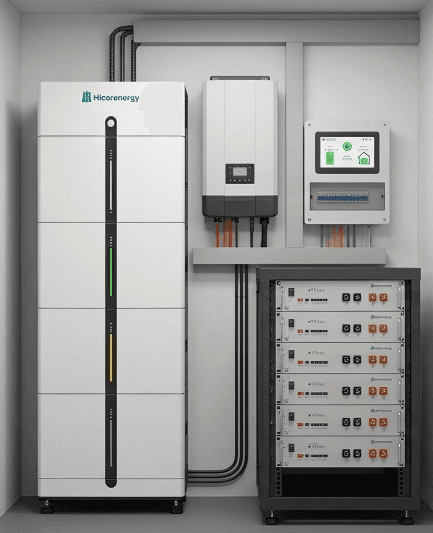
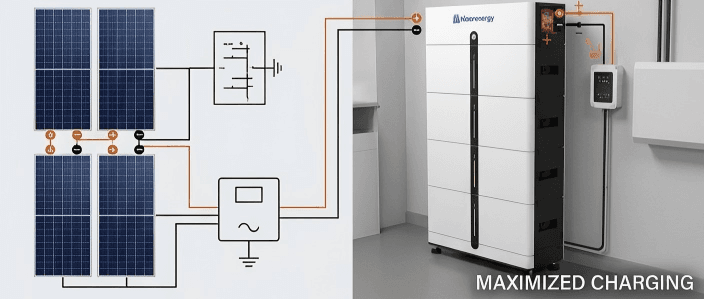
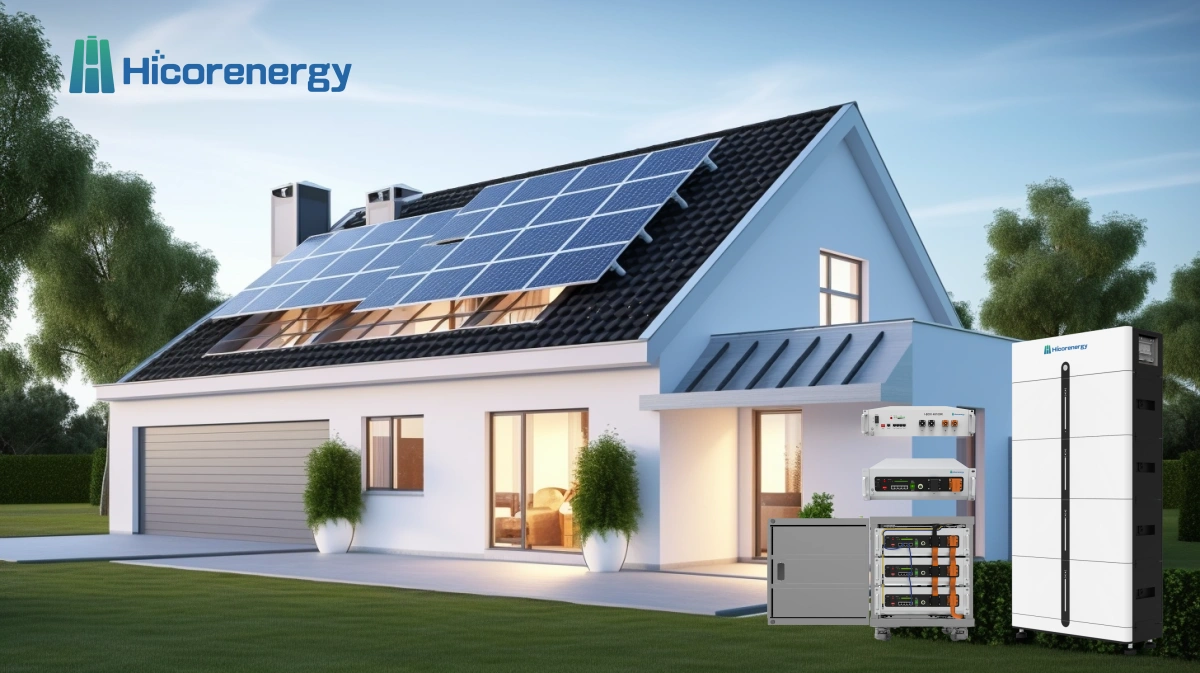
Modern energy solutions are increasingly reliant on powerful Rechargeable Batteries. Unlike single-use alternatives, these can be charged and discharged hundreds or even thousands of times, making them a sustainable and cost-effective choice. For homeowners, this technology is a game-changer. Systems like the Hicorenergy Solar Power System use state-of-the-art I-BOX 48100R energy storage units to capture and store solar energy. These units are essentially large-scale rechargeable battery systems that provide your home with seamless, uninterrupted power, day or night. Investing in a quality system ensures you have a reliable power source that integrates perfectly with renewable energy generation, moving you toward energy independence.
Practical Tips for Battery Life Extension
Getting the most out of your investment requires a focus on Battery Life Extension. A few simple practices can significantly increase the lifespan of your power cells. First, avoid exposing your batteries to extreme temperatures, as both high heat and severe cold can degrade performance and capacity over time. Second, it's generally best to avoid fully depleting the battery before recharging. Most modern batteries, especially the Lithium-ion types found in systems like the Hicorenergy I-BOX, perform best when kept between 20% and 80% charge. Thankfully, advanced systems come with built-in battery management systems that handle these processes automatically, optimizing charging cycles for maximum durability and ensuring your Low Voltage Battery provides years of reliable service.
What You Need to Know About the Battery Discharge Rate
An important but often overlooked metric is the Battery Discharge Rate, which refers to how quickly the battery can safely release its stored energy. A battery with a well-managed discharge rate can deliver steady, consistent power without overheating or sustaining damage. This is crucial for home energy systems that need to power everything from lights to large appliances. The Hicorenergy I-BOX 48100R is engineered for an optimal Battery Discharge Rate, delivering reliable power on demand without compromising the health of the battery. This ensures your home’s energy supply is stable and the system remains efficient for its entire lifecycle.
The Rise of Batteries in Consumer Electronics and Homes
The role of Batteries in Consumer Electronics has conditioned us to expect portable, on-demand power. We've moved from powering small devices to powering our entire lives. The same principles that apply to your phone or laptop battery are now being scaled up for residential use. A home energy storage unit is the ultimate consumer electronic for the modern, energy-conscious homeowner. It offers control, efficiency, and sustainability on a larger scale. This transition represents a significant step towards a future where every home can generate, store, and manage its own clean energy with a sophisticated Low Voltage Battery setup.
Responsible End-of-Life: The Importance of Battery Recycling
As our reliance on battery technology grows, so does our responsibility to manage its environmental impact. Battery Recycling is a critical final step in the lifecycle of any battery. Most Rechargeable Batteries contain materials that can be recovered and reused, reducing the need to mine for new resources and preventing harmful substances from ending up in landfills. Many local municipalities and electronics retailers offer recycling programs. By choosing durable, long-lasting products like the Hicorenergy system, you are already reducing future waste. When the time eventually comes, practicing responsible Battery Recycling ensures your commitment to sustainability continues.