The dream of energy independence is rapidly becoming a reality for homeowners around the world, thanks to advancements in solar technology and energy storage. At the heart of this revolution is the low voltage battery, a safe, efficient, and scalable solution for storing solar energy generated during the day for use at any time. Systems like the Hicorenergy Residential Energy Storage System are making it easier than ever to harness the power of the sun, providing reliable power and reducing reliance on the traditional grid.
What Defines a Low Voltage Energy Storage System?
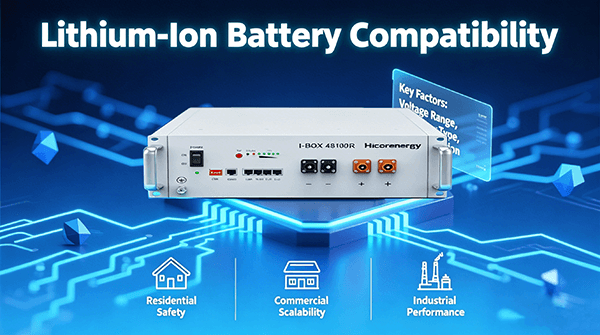
A low voltage battery system is typically defined as one that operates at a nominal voltage of less than 100V. This characteristic makes them inherently safer for residential installations and easier to handle for technicians. While high voltage systems have their place, the lower voltage architecture offers unparalleled flexibility and modularity, which is ideal for the evolving energy needs of a modern household. The most effective iteration of this technology is the low voltage lithium battery, which combines the safety and scalability of a low voltage design with the superior performance, energy density, and long lifespan of lithium-ion chemistry. This combination represents the pinnacle of current home energy storage technology, offering a balance of safety, performance, and long-term value.
The Power of Flexibility and Modular Design
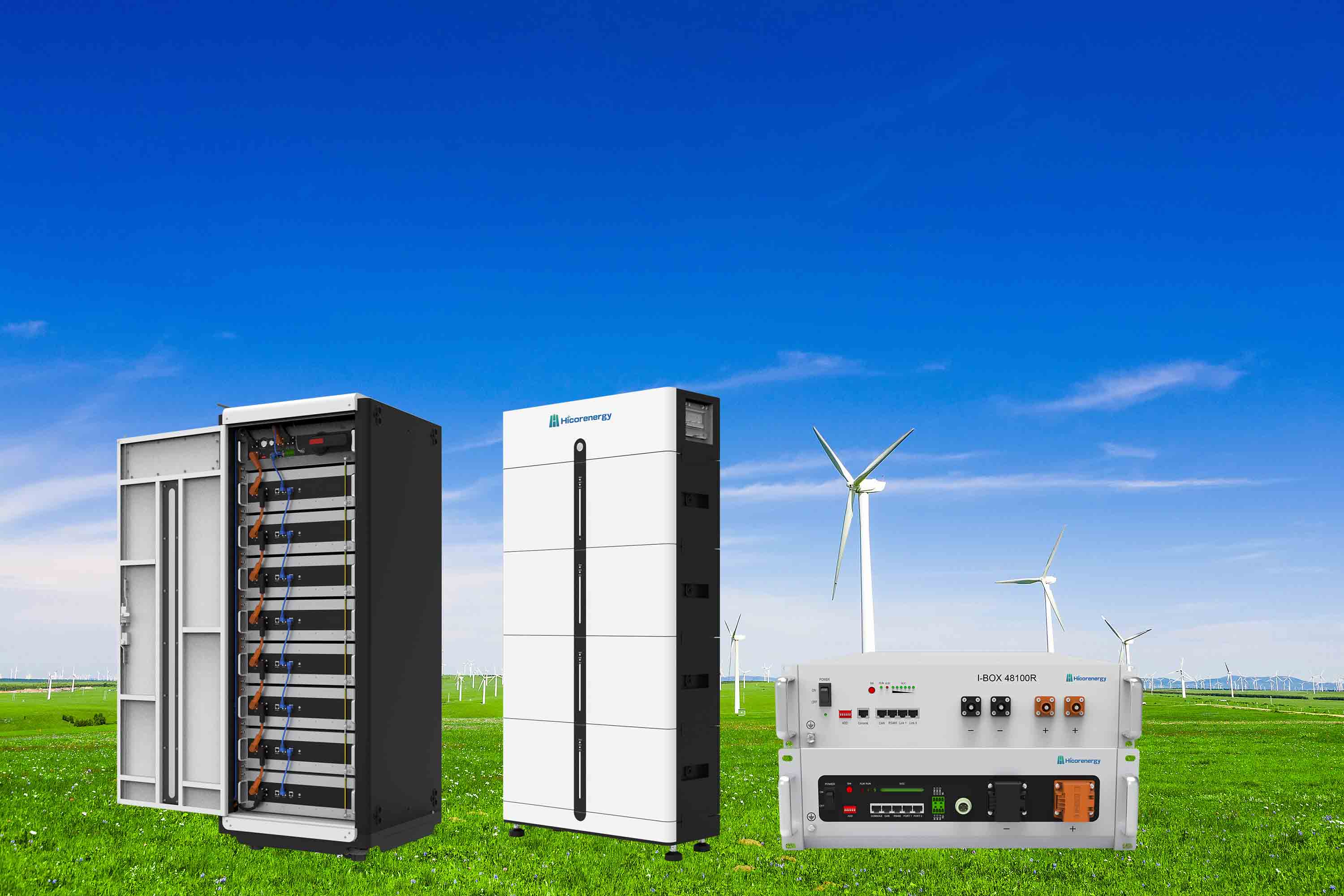
One of the most significant benefits of adopting a low voltage battery for your home is the incredible flexibility it offers. Modern systems are often modular, allowing you to customize your storage capacity to perfectly match your energy consumption. The Hicorenergy Residential Energy Storage System, for instance, is built with stackable modules. This intelligent design means you can start with a capacity that meets your current needs and budget, and easily expand it in the future as your family grows or your energy demands increase. This scalability prevents the need for a complete system overhaul, making it a future-proof investment. Furthermore, the inherent safety of lower voltage reduces installation complexity and enhances peace of mind for homeowners.
Hicorenergy: A New Standard in Residential Energy
The Hicorenergy Residential Energy Storage System is a premier example of a low voltage lithium battery solution designed for the modern, eco-conscious home. Its design is both functional and aesthetically pleasing, featuring clean, white modular panels with a futuristic look that complements any home. But its innovation goes far beyond appearances. Engineered to optimize solar energy storage and distribution, it delivers reliable, high-efficiency performance day and night. Built from premium, durable materials, it is designed to withstand various environmental conditions, whether installed indoors or outdoors. With advanced connectivity for real-time monitoring and control via a user-friendly interface, you are always in command of your home’s energy, empowering you to maximize savings and efficiency.
Achieving True Energy Independence
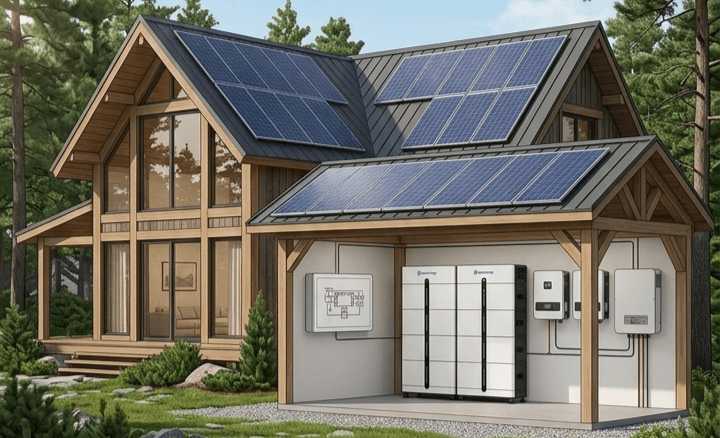
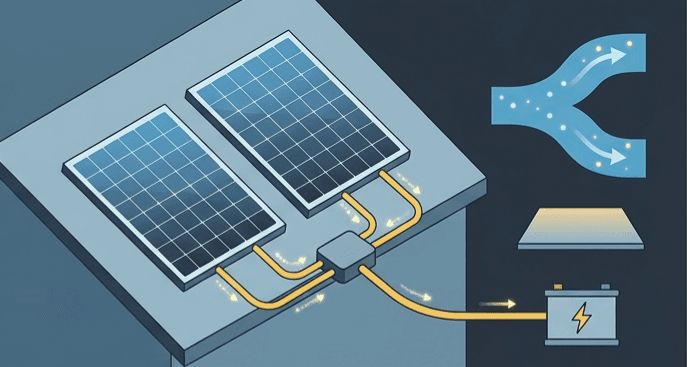
Choosing the right energy storage system is a critical step towards reducing your carbon footprint and cutting energy costs. A low voltage lithium battery offers the ideal blend of safety, efficiency, and longevity, making it the superior choice for residential applications. It allows you to store the surplus energy generated by your solar panels during peak sunlight hours and deploy it during the evening, on cloudy days, or as a seamless backup during a power outage. With a solution like the Hicorenergy system, you are not just installing a battery; you are investing in energy security, independence from utility rate hikes, and a tangible commitment to a more sustainable world. This technology empowers you to take control of your energy future, building a greener, brighter home for tomorrow.