 Choosing between lithium battery vs lead acid systems affects lifespan, usable energy, and long-term cost. Lithium batteries offer higher efficiency, deeper discharge, and longer service life, while lead-acid remains cheaper upfront. This article compares performance, cost, and use cases to help determine the best solution for solar energy storage.
Lithium Battery vs Lead-Acid Cycle Life: 3–10x Longer, 10+ Years vs 3–5 Years
When comparing lithium battery vs lead acid, cycle life is one of the most critical differences. Lithium batteries, especially LiFePO4, typically deliver 4000–6000+ cycles, while lead-acid batteries average only 500–1500 cycles. This means lithium systems can last over 10 years, whereas lead-acid systems often require replacement within 3–5 years.
This difference becomes even more significant in daily cycling applications such as solar storage. The lifespan advantage directly impacts cost-effectiveness and reliability. Additionally, lithium batteries maintain consistent performance over time, while lead-acid batteries degrade more rapidly.
Another key factor is depth of discharge lithium battery capability. Lithium systems can safely operate at 80–90% depth of discharge, while lead-acid batteries are typically limited to 50%. This means lithium batteries provide more usable energy per cycle, further extending their practical lifespan and overall value.
Depth of Discharge & Usable Capacity: Why 10kWh Lead-Acid Is Really Only 5kWh
Depth of discharge lithium battery performance plays a crucial role in real-world capacity. A 10kWh lead-acid battery system typically allows only 50% usable energy to avoid damage, meaning only 5kWh is practically available. In contrast, lithium systems with high lifepo4 depth of discharge can safely deliver 80–90% of their capacity.
This means a 10kWh lithium battery can provide 8–9kWh of usable energy—almost double that of lead-acid. As a result, users often need larger and more expensive lead-acid systems to achieve the same usable output. This is why understanding depth of discharge lithium battery characteristics is essential when evaluating true system performance.
Lithium vs Lead-Acid: Why Higher Upfront Cost Saves Money Over 10–15 Years
Although lithium systems have a higher upfront cost, their long-term economics are significantly better. When evaluating solar battery cost per usable kWh, lithium batteries outperform lead-acid due to higher efficiency, longer lifespan, and greater usable capacity.
Consider the following comparison:
| Factor | Lithium Battery | Lead-Acid Battery |
|---|---|---|
| Initial Cost | Higher | Lower |
| Cycle Life | 4000–6000+ | 500–1500 |
| Usable Capacity | 80–90% | 50% |
| Replacement Frequency | 10–15 years | 3–5 years |
Over a 15-year period, lead-acid batteries may need to be replaced 2–3 times, significantly increasing total cost. Meanwhile, lithium systems maintain stable performance, reducing maintenance and replacement expenses.
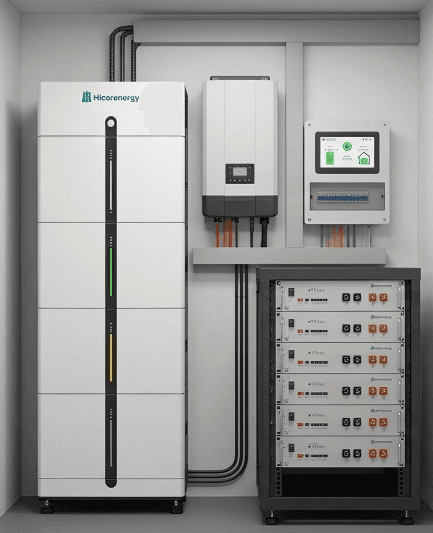
Hicorenergy’s I-BOX 48100R is designed with ≥6000 cycles at 90% depth of discharge lithium battery performance, ensuring long-term reliability and high efficiency (>95%). This directly reduces solar battery cost per usable kWh, making it a cost-effective investment over time.
When Should You Choose Lead-Acid vs Lithium for Solar Storage?
The choice between lithium battery vs lead acid depends largely on the application.
Lead-acid batteries may still be suitable for:
-
Occasional backup power with infrequent cycling
-
Projects with very limited upfront budgets
-
Short-term or temporary installations
However, they are less suitable for modern energy demands due to limited depth of discharge lithium battery performance and shorter lifespan.
Lithium batteries, on the other hand, are ideal for:
-
Daily solar energy storage and cycling
-
Long-term residential or commercial installations
-
Applications requiring high efficiency and reliability
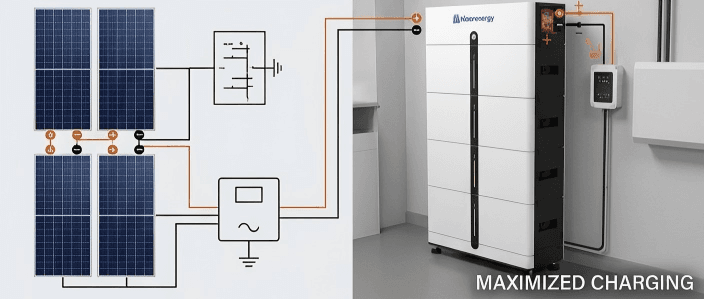
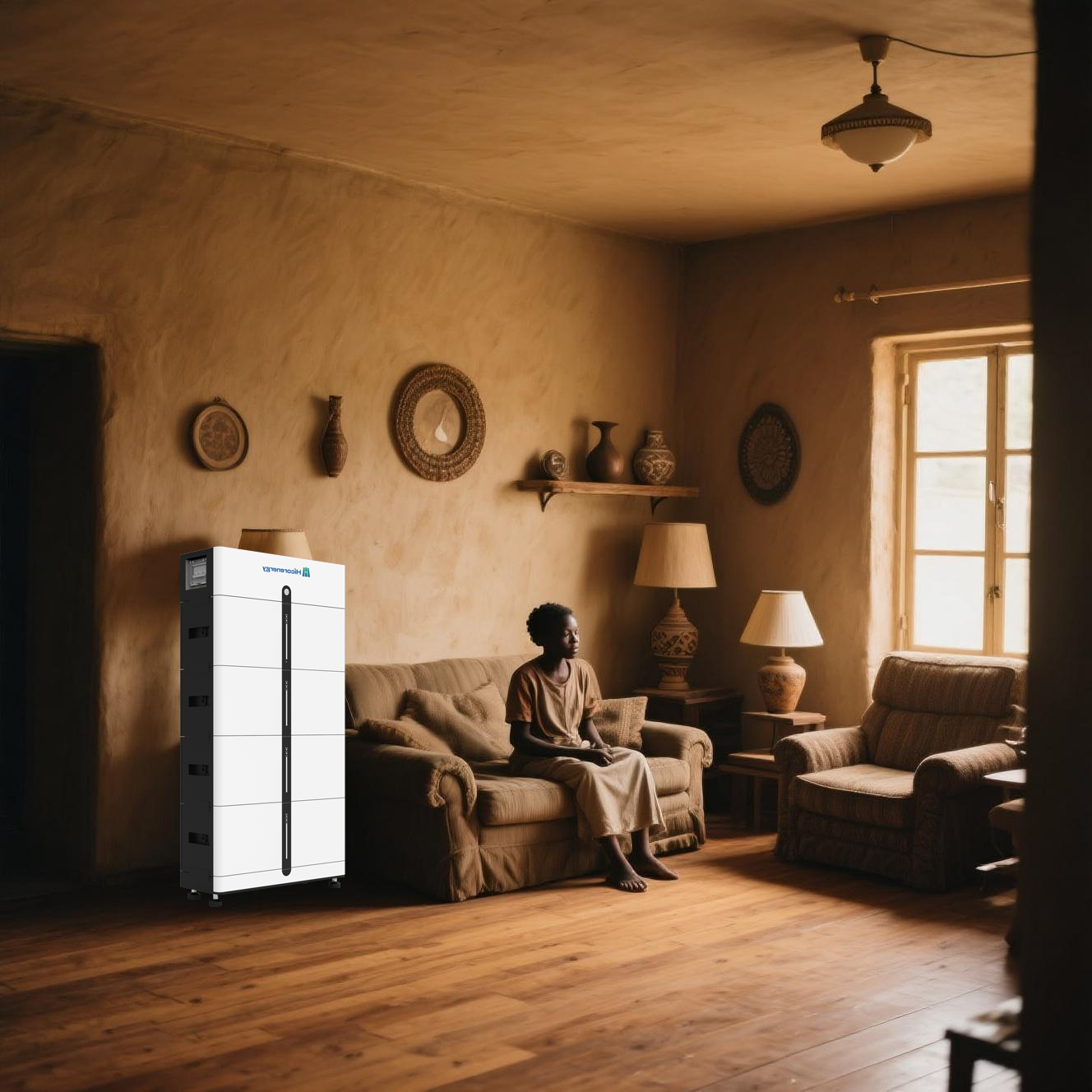
For example, Hicorenergy’s Si LV1 system uses advanced LiFePO4 technology with high lifepo4 depth of discharge and modular scalability. This makes it perfect for both whole-home backup and daily solar usage, ensuring consistent performance and long-term savings.
Ultimately, for users asking whether lithium battery vs lead acid is the better choice, lithium systems clearly provide superior value in most modern energy storage scenarios, especially when depth of discharge lithium battery capability and lifecycle costs are considered.
Conclusion: About Hicorenergy Products
Hicorenergy provides advanced lithium battery solutions with high efficiency, long lifespan, and flexible scalability for solar storage. For more information, contact info@hicorpower.com or WhatsApp +86 181-0666-3226.