The development of clean energy has reached a new milestone, and lithium battery energy storage solutions lead us towards a more sustainable and independent future. As households and businesses seek to better control power consumption and enhance their ability to cope with grid instability, advanced energy storage technologies are no longer a luxury, but a fundamental component of modern life. These systems enable users to utilize and store energy according to their needs, marking a major change in the way we interact with electricity.
A new era of home energy management
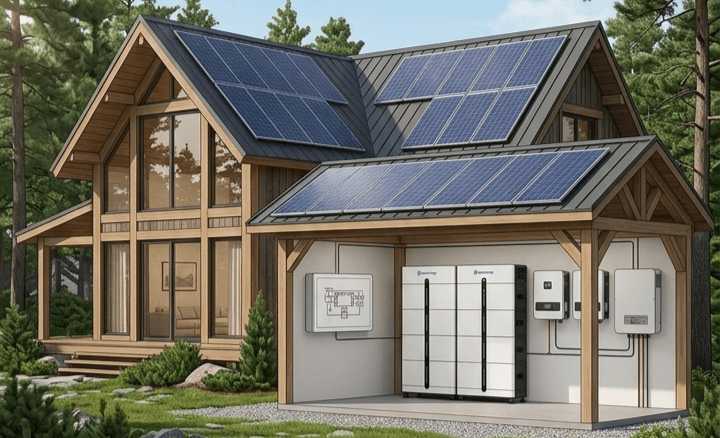
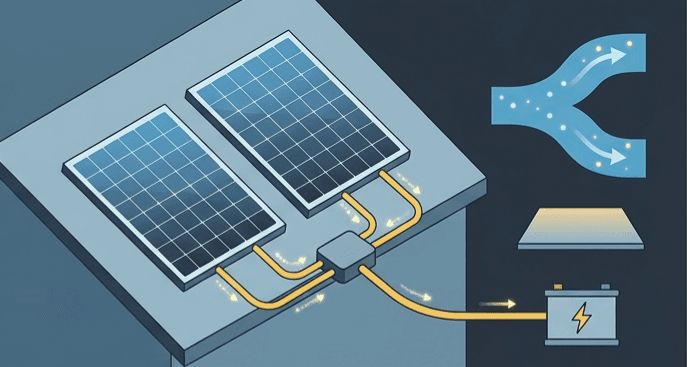
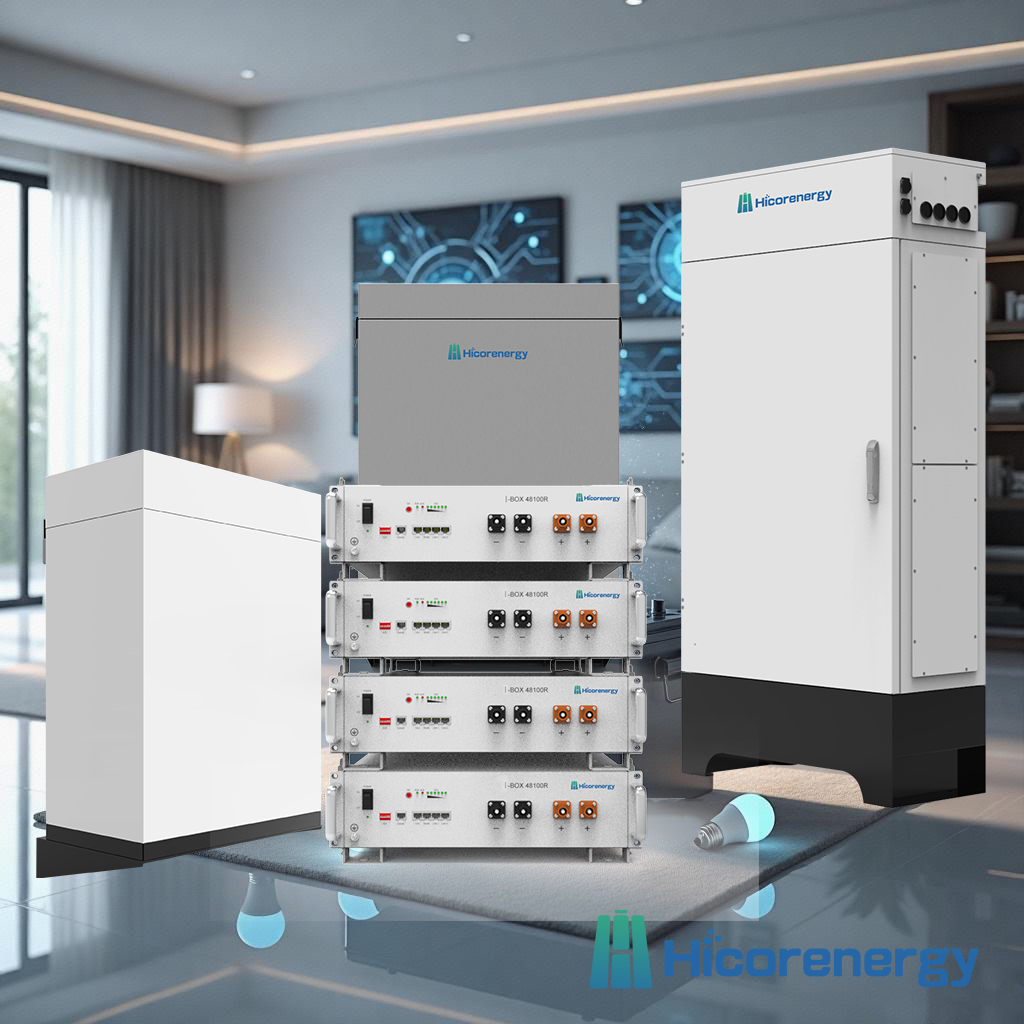
Modern home energy storage systems are at the forefront of this revolution, providing unprecedented flexibility and efficiency. Gone are the days of the same solution. Today’s systems feature their innovative modular design, allowing stacked configurations and can be scaled to specific energy needs. Whether it’s a small apartment or a large family home, these devices can be tailored to provide the right amount of backup power and save energy. This adaptability ensures that homeowners can not only survive power outages without interruption, but also optimize energy usage, which significantly reduces monthly electricity bills. By storing excess electricity generated by solar panels during the day, these home energy storage systems can be used during peak hours or at night, maximizing self-sufficiency and promoting energy independence.
Intrinsic power: household lithium battery
At the heart of these advanced solutions are home lithium batteries, a technical miracle designed for performance and long life. Compared with traditional batteries, lithium-ion technology is highly favored for its high energy density, longer service life and excellent efficiency. But the true potential of the technology needs to be fully unlocked through a high-performance battery management system (BMS). This smart core component continuously monitors and manages battery health, ensuring optimal performance, prevents overcharging or deep discharge, and ensures the highest level of safety. In addition, the physical structure of modern household lithium batteries is durable. Made from industrial grade materials such as durable aluminum housings, these batteries offer excellent heat dissipation, which is essential for maintaining efficiency and extending system life.
Seamless integration and intelligent control systems
A truly effective energy solution is not just a battery, but a fully integrated system. Modern lithium-ion battery systems are designed to integrate seamlessly with existing power infrastructure, especially solar panels. This synergy creates a strong and self-sustainable ecosystem in the family. The key feature of these advanced systems is their future-oriented connectivity and intuitive control interface. With real-time monitoring of clear LCD displays or connected applications, users can track every aspect of the energy landscape—from renewable energy generation to home consumption patterns. This insight allows homeowners to make informed decisions, optimize energy efficiency, and have complete control over their electricity use. A comprehensive lithium-ion battery system consists of all the necessary components, from AC/DC connectors to circuit protectors, ensuring a perfect, safe and user-friendly experience.
Embrace a sustainable and powerful future
The adoption of lithium battery energy storage systems is a critical step towards a more sustainable and resilient future. Through the widespread use of renewable energy sources such as solar energy, these systems directly help reduce the global carbon footprint. They represent a fundamental shift from passive energy consumption to active energy management. Investing in a complete set of solutions, from powerful household lithium batteries to smart control software, is an investment in energy security, financial conservation and environmental responsibility. With the continuous advancement of technology, these advanced home energy storage systems will become an integral part of smart homes and green communities, paving the way for building a cleaner and stronger world.