The Evolution of Energy Storage Cooling
As the world transitions towards renewable energy sources, the demand for efficient and reliable Commercial & Industrial (C&I) energy storage solutions has surged. A critical component in the performance and longevity of these systems is thermal management. High-density battery packs generate significant heat during operation, and without effective cooling, they face risks of reduced efficiency, premature degradation, and even safety hazards. The solution to this challenge is the advanced Liquid Cooling Battery Cabinet, a technology designed to provide precise and uniform temperature control, ensuring optimal performance and extending the lifespan of the entire energy storage system.
Why Advanced Battery Cabinet Cooling Technology is Essential
Effective thermal management is non-negotiable for modern battery energy storage systems (BESS). Each battery cell has an ideal operating temperature range, and deviating from this can have severe consequences. Overheating can accelerate chemical degradation within the cells, permanently reducing their capacity and shortening their useful life. In extreme cases, it can lead to thermal runaway, a dangerous condition where rising temperatures create a self-perpetuating cycle that can result in system failure. Traditional air cooling methods often struggle to evenly dissipate heat in densely packed modules, leading to temperature imbalances. This is why advanced Battery Cabinet Cooling Technology is crucial; it actively manages the thermal environment, safeguarding the investment and ensuring the system operates safely and at peak efficiency for years to come.
The Superiority of Liquid Cooled Battery Systems
Compared to conventional cooling methods, Liquid Cooled Battery Systems offer a significant leap forward in thermal performance. This technology works by circulating a specialized liquid coolant through an intricate network of pipes or plates that are in direct or close contact with the battery modules. The coolant absorbs heat directly from the cells and transports it away to a radiator or heat exchanger where it is dissipated. This process is far more efficient at heat transfer than air, allowing for tighter temperature control and greater uniformity across the entire battery pack. This consistent temperature profile not only enhances safety and longevity but also allows the system to perform reliably under high-load conditions and in diverse environmental climates, making Liquid Cooled Battery Systems the gold standard for high-performance C&I applications.
Hicorenergy's SI Station: A New Benchmark in Innovation
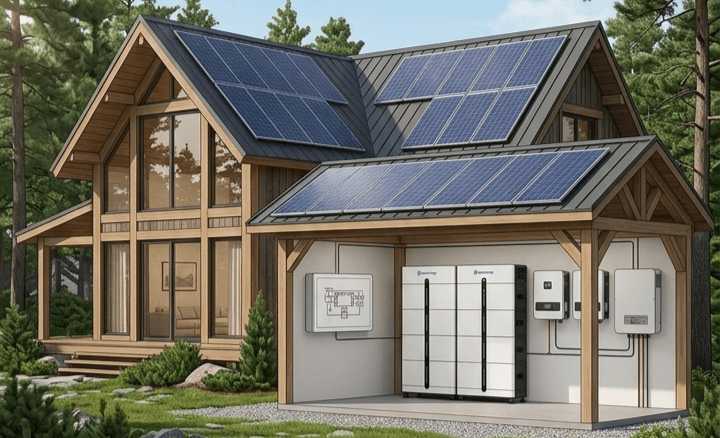
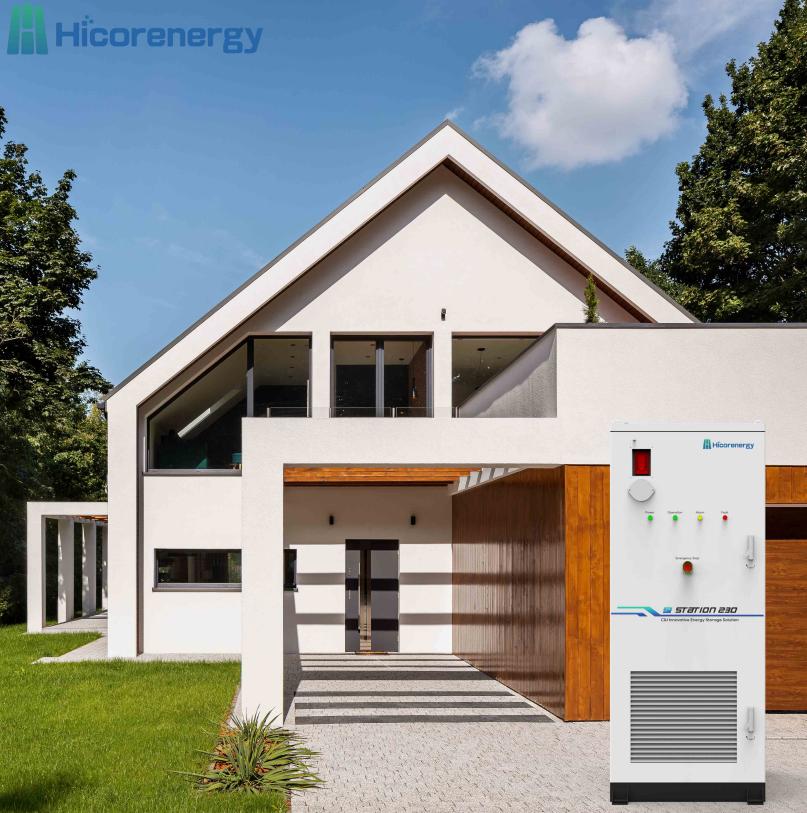
Leading the charge in this technological evolution is Ningbo Hicorenergy Co., Ltd with its innovative SI Station series. The SI Station 230 and SI Station 186 are engineered for the demanding needs of the C&I sector, embodying cutting-edge design and operational intelligence. Housed within a durable, weather-resistant casing, these stations are built to perform in various environments. This robust performance is underpinned by a sophisticated thermal management system, utilizing the principles of a Liquid Cooling Battery Cabinet to maintain stability and efficiency. With user-friendly interfaces, comprehensive monitoring, and a focus on seamless integration with renewable energy setups, the SI Stations represent a complete, forward-thinking solution for modern energy storage, where advanced cooling is integral to its superior functionality.
Pioneering a Sustainable and Efficient Energy Future
The future of large-scale energy storage is intrinsically linked to the technologies that support it. The adoption of the Liquid Cooling Battery Cabinet is a pivotal step towards creating safer, more durable, and more efficient energy infrastructure. By ensuring batteries operate within their optimal thermal window, this technology maximizes return on investment and contributes to the overall stability of the energy grid. Companies like Ningbo Hicorenergy are setting new industry standards with products like the SI Station series, demonstrating a commitment not just to meeting today's energy demands but to building a cleaner and more resilient energy landscape for tomorrow.