Understanding LiFePO4 Battery Technology
LiFePO4 batteries, also known as Lithium Iron Phosphate batteries, are increasingly recognized as one of the most reliable and efficient energy storage solutions available today. Their unique chemical composition provides enhanced safety features, including excellent thermal stability and a significantly reduced risk of overheating. These characteristics make them highly suitable for a wide range of applications, from electric vehicles to residential energy storage systems. Designed for high performance, long lifespan, and consistent efficiency, LiFePO4 batteries enable users to store and utilize energy in a stable and dependable manner.
Home Energy Storage with LiFePO4
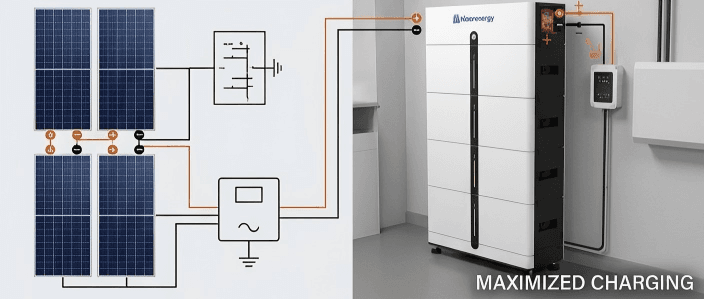
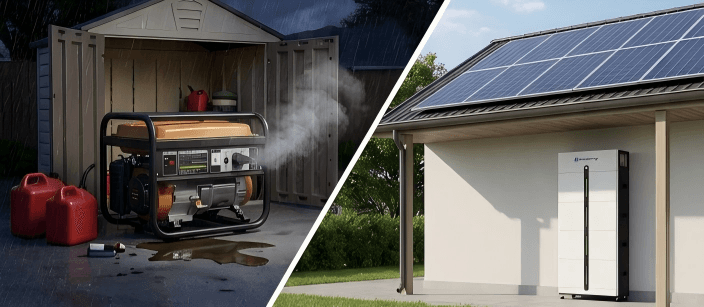
For homeowners aiming to reduce both environmental impact and electricity costs, adopting LiFePO4 battery technology represents a highly effective solution. These systems integrate seamlessly with renewable energy sources such as solar panels, allowing excess energy to be stored for later use. This ensures a continuous and sustainable energy supply during power outages while optimizing electricity consumption during peak demand periods. By utilizing a LiFePO4-based energy storage system, households can achieve greater energy independence and maintain stable daily operations without relying entirely on traditional power grids.
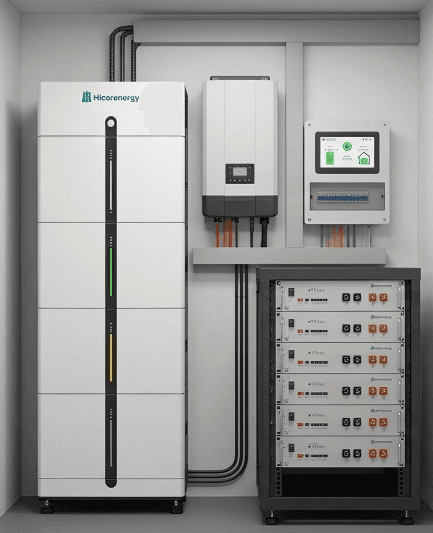
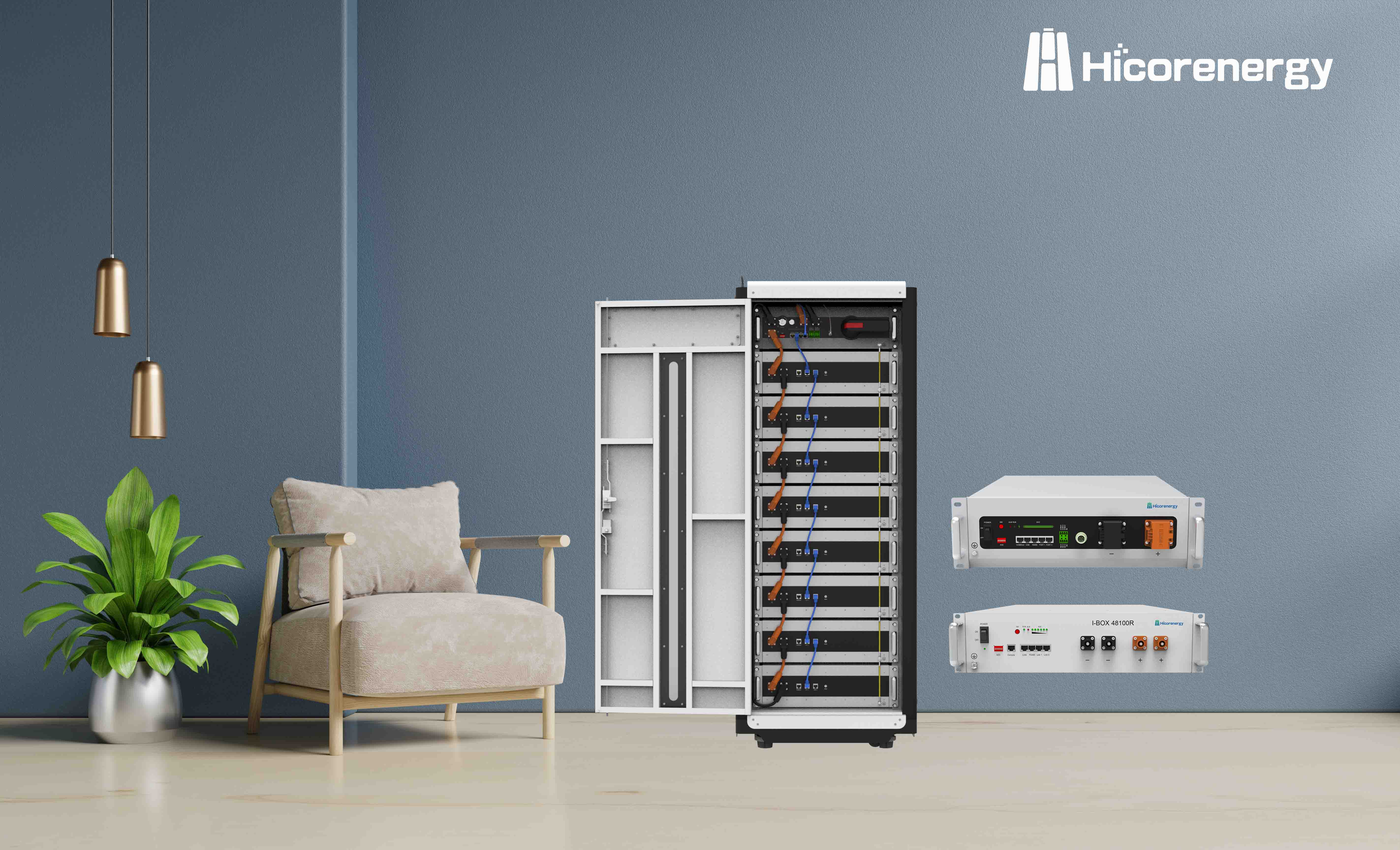
In this context, advanced residential solutions such as Hicorenergy’s I-BOX 48100R and SI LV1 systems provide flexible and efficient options. The I-BOX 48100R features automotive-grade LiFePO4 cells, over 6,000 cycles, and compatibility with most mainstream inverters, making it ideal for both new installations and system upgrades. Meanwhile, the SI LV1 adopts a compact, stackable design with plug-and-play installation, enabling homeowners to expand capacity up to 30.72 kWh or beyond with minimal effort, ensuring adaptability to evolving energy demands.
Advantages of LiFePO4 for Home Use
When evaluating residential energy storage solutions, LiFePO4 batteries stand out due to their environmental friendliness, cost-effectiveness, and long service life. Their extended cycle life significantly reduces the need for frequent replacements, lowering both long-term costs and environmental impact. Modular system designs allow users to scale their storage capacity in line with growing energy requirements.
Additionally, modern systems are equipped with intelligent management features accessible via mobile applications, enabling real-time monitoring, remote upgrades, and proactive energy control. These capabilities not only enhance operational efficiency but also contribute to reduced carbon emissions while maintaining a clean and modern home aesthetic.
Economic Benefits and Return on Investment (ROI)
Financial feasibility remains a key consideration for homeowners. Although the initial investment in LiFePO4 energy storage systems may be higher than traditional lead-acid alternatives, the long-term economic benefits are substantial. With a cycle life often exceeding 6,000 cycles, these batteries can deliver reliable performance for more than a decade.
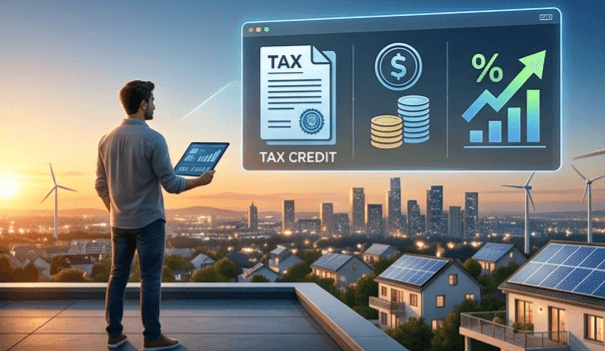
By leveraging time-of-use electricity pricing, users can store energy during off-peak hours and utilize it during peak periods, significantly reducing utility expenses. Furthermore, government incentives such as tax credits and rebates in many regions help lower upfront costs and accelerate the return on investment, making LiFePO4 systems an increasingly attractive financial choice.
Environmental Impact and Sustainable Manufacturing
LiFePO4 batteries offer notable environmental advantages beyond clean energy storage. Unlike cobalt-based lithium-ion technologies, they avoid the use of conflict minerals, thereby reducing ethical and environmental concerns associated with raw material extraction. Their extended lifespan also minimizes battery waste, contributing to a more sustainable lifecycle.
Manufacturers are further improving sustainability by adopting greener production processes, including the use of recycled materials and energy-efficient manufacturing methods. As a result, the overall carbon footprint of LiFePO4 energy storage systems continues to decline, making them a responsible option for environmentally conscious users.
Scalability and System Integration for Smart Homes
A key advantage of modern LiFePO4 storage systems lies in their scalability and seamless integration with smart home ecosystems. Users can begin with a basic configuration and expand capacity as needed, whether due to increased household consumption, additional solar installations, or electric vehicle adoption.
With open communication protocols, these systems can integrate with smart inverters, home energy management systems, and even virtual power plants (VPPs). This enables automated energy optimization, including prioritizing solar self-consumption, providing backup power during outages, and exporting excess electricity to the grid. Such intelligent functionality enhances convenience while giving users greater control over their energy usage.
The Future of Energy Storage Solutions
The future of energy storage continues to evolve with advanced technologies and integrated system designs. In commercial and industrial sectors, solutions such as Hicorenergy’s SI Station 186 and SI Station 230 offer high-capacity, all-in-one energy storage with air-cooling and liquid-cooling options, supporting grid stability, peak shaving, and large-scale renewable integration across diverse applications.
Hicorenergy delivers reliable LiFePO4 energy storage solutions with high safety, scalability, and global service support, empowering users to achieve long-term energy independence and sustainability.
For more information, please contact:
Email: info@hicorpower.com
WhatsApp: +86 181-0666-3226