 Solar-plus-storage is rapidly reshaping how households generate, store, and use electricity. With rising energy costs and grid instability, home energy storage systems are becoming essential. This article explores growth trends, financial benefits, policy incentives, and emerging technologies driving the global adoption of residential energy storage solutions.
Home Solar Battery Storage Adoption Is Exploding: 16.4% Annual Growth and What’s Driving It
The adoption of home energy storage is accelerating at an unprecedented rate, with global markets growing at an estimated 16.4% annually. This surge is driven by rising electricity prices, increased grid outages, and the global shift toward renewable energy. As homeowners seek energy independence, solar-plus-storage systems are becoming a practical and financially attractive solution.
Technological advancements have significantly improved battery efficiency, lifespan, and safety. Modern residential energy storage systems, particularly those using LiFePO4 chemistry, now offer over 6000 cycles and 10+ years of service life. At the same time, declining battery costs are making home energy storage more accessible than ever.
Government incentives and supportive policies are also accelerating adoption. In many regions, subsidies and tax credits reduce upfront costs, making solar-plus-storage systems more appealing. As a result, home energy storage is no longer a niche product but a mainstream energy solution for households worldwide.
Are Solar Batteries Worth It? Why Self-Consumption Pays Off in 2026
As electricity tariffs continue to rise, the value of solar-plus-storage becomes increasingly clear. Instead of exporting excess solar energy to the grid at low rates, homeowners can store and use it when electricity prices peak. This self-consumption model significantly improves home battery ROI and reduces reliance on utilities. With better technology and falling costs, home energy storage systems are now more economically viable than ever, encouraging more households to make the transition.
Solar Battery Tax Credit 2026: 30% ITC, Payback Period, and How to Maximize Your Incentives
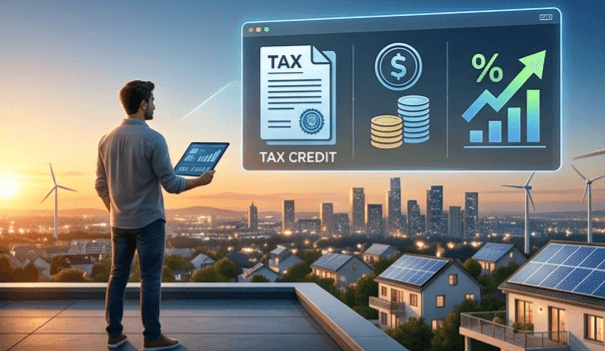
One of the most important drivers of home energy storage adoption is financial incentives, particularly the Investment Tax Credit (ITC). In 2026, many homeowners can still benefit from a 30% federal tax credit on solar-plus-storage installations, significantly reducing upfront costs.
For example:
| System Cost | Without ITC | With 30% ITC |
|---|---|---|
| $15,000 | $15,000 | $10,500 |
This reduction directly improves home battery ROI and shortens the payback period, which typically ranges between 5 to 8 years depending on electricity rates and usage patterns.
To maximize incentives, homeowners should:
-
Install solar and storage systems together
-
Ensure systems meet local certification requirements
-
Work with qualified installers
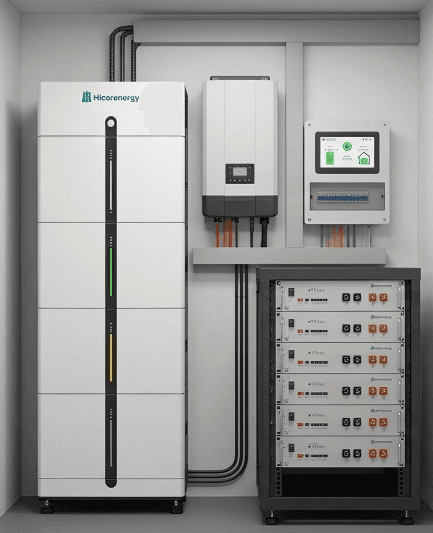
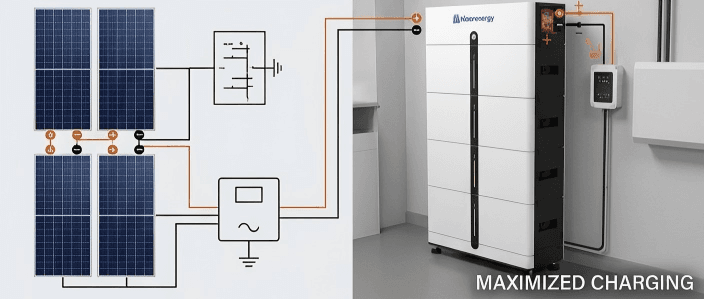
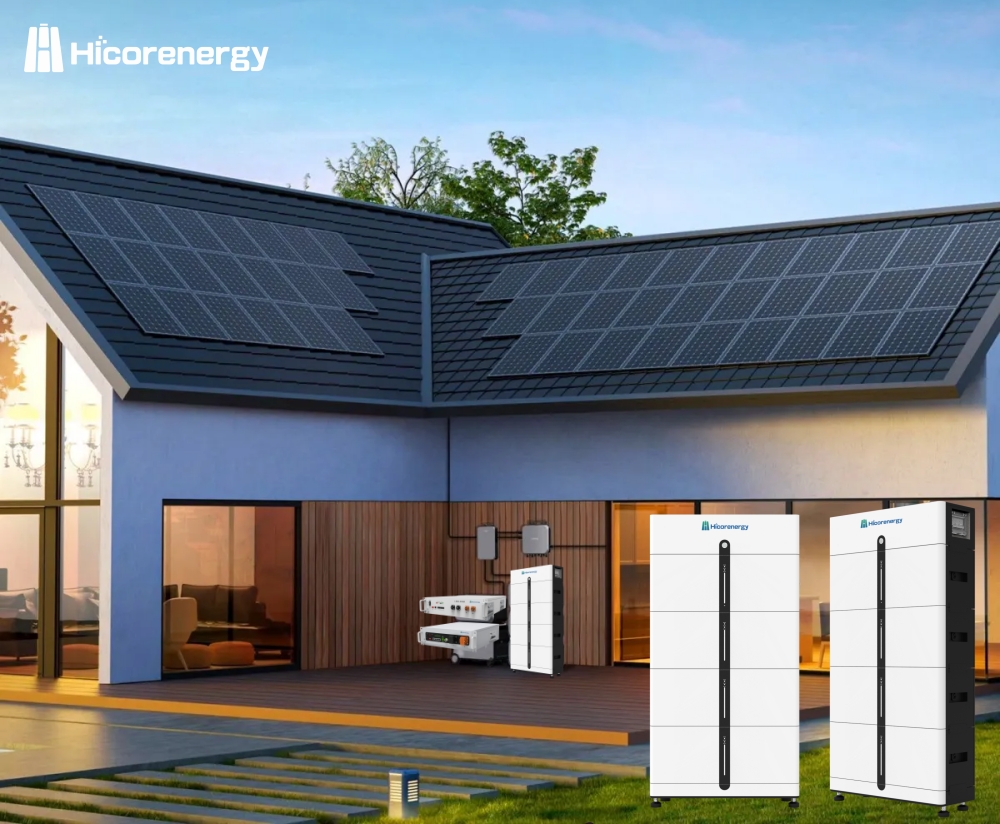
Hicorenergy’s I-BOX 48100R is designed for seamless integration with solar systems and supports high efficiency (>95%) and over 6000 cycles. These features help maximize home energy storage value by increasing usable energy and extending system lifespan, ultimately improving financial returns.
Beyond Backup: Virtual Power Plants and the Smart Home Energy Evolution
Home energy storage is no longer just about backup power—it is becoming a key component of smart energy ecosystems. One of the most exciting developments is the rise of Virtual Power Plants (VPPs), where thousands of residential energy storage systems are interconnected to support the grid.
In a VPP, homeowners can sell excess stored energy back to the grid during peak demand, creating new revenue streams and further improving home battery ROI. This transforms home energy storage from a passive system into an active income-generating asset.
Additionally, smart energy management systems are enabling real-time monitoring, automation, and optimization of energy usage. Hicorenergy’s Si LV1 system, for example, features intelligent monitoring and scalable design, allowing homeowners to expand capacity as needed while maintaining efficient operation.
As solar-plus-storage technology continues to evolve, residential energy storage will play a central role in the transition to decentralized, intelligent energy systems.
Conclusion: About Hicorenergy Products
Hicorenergy offers advanced home energy storage solutions with high efficiency, long lifespan, and flexible scalability for solar-plus-storage applications. For inquiries, contact info@hicorpower.com or WhatsApp +86 181-0666-3226.