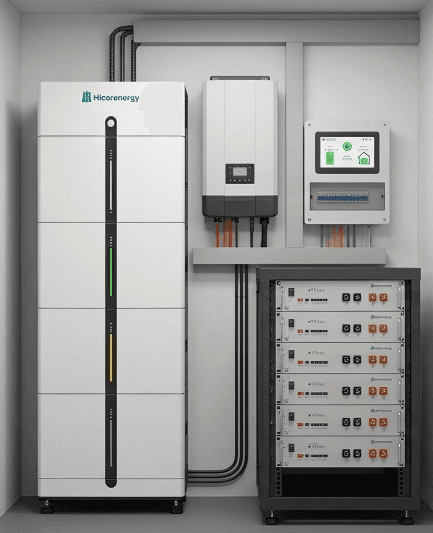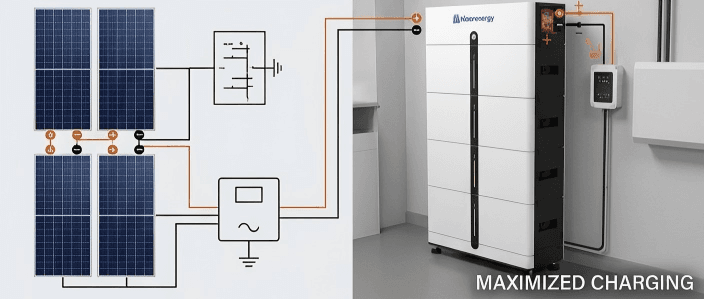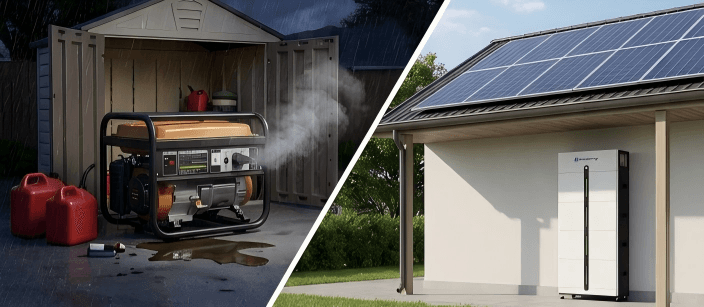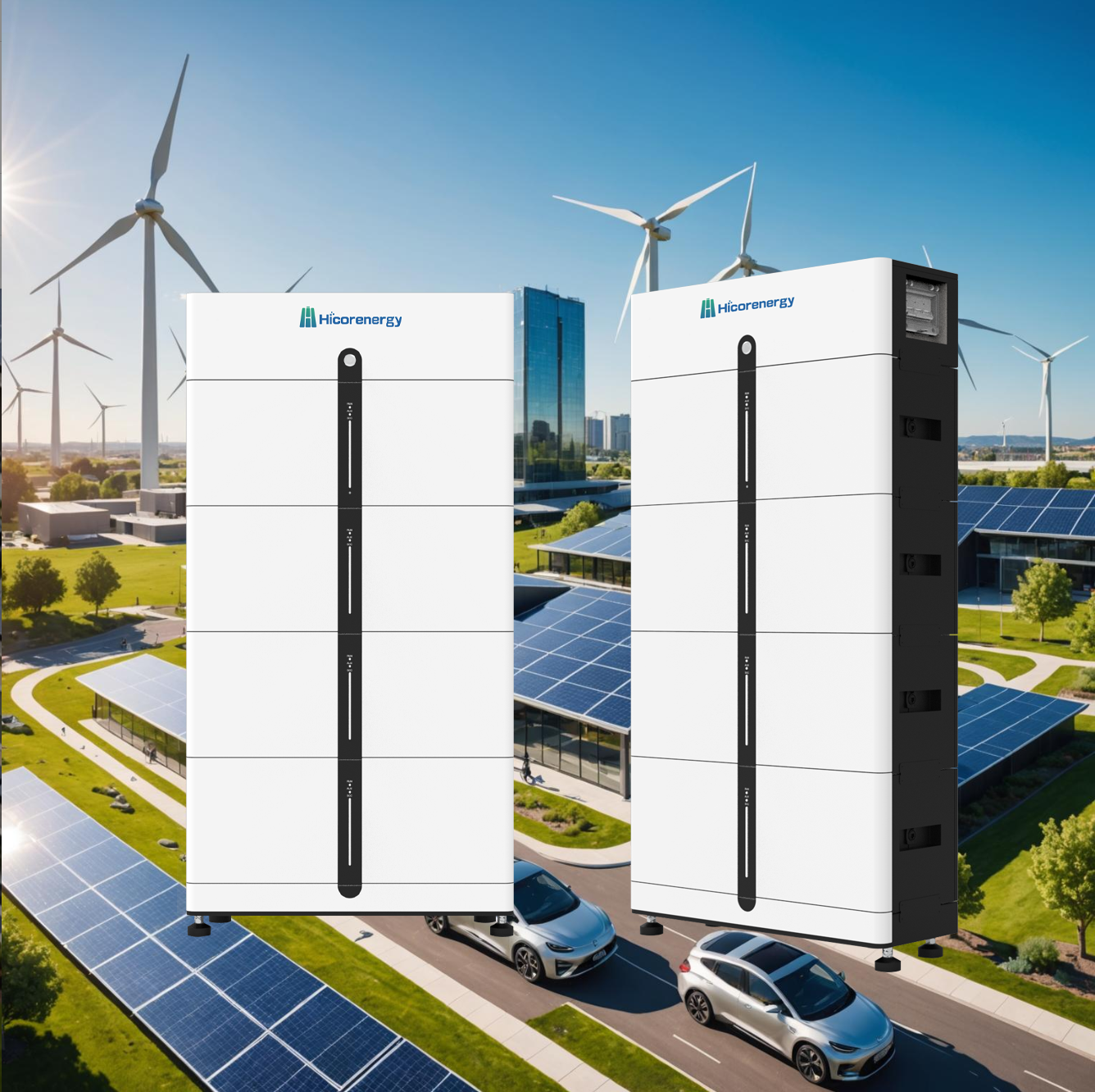
Stacked battery technology is transforming the energy storage industry by delivering more efficient, compact, and high-performance power solutions. By layering battery cells to maximize energy density and improve reliability, this innovative design has become a cornerstone of modern renewable energy systems. In this article, we explore how stacked battery technology is integrated into advanced products like the Hicorenergy Home Power Station, which utilizes stacked lithium-ion configurations to deliver seamless and reliable energy storage for residential use.
What is Stacked Battery Design?
Stacked battery design involves arranging multiple battery cells in a vertical or layered structure to optimize space utilization and energy output. This configuration enhances thermal management and reduces internal resistance—key factors for high-performance energy storage systems.
For example, in the Hicorenergy Home Power Station, the stacked battery design enables efficient handling of variable loads from solar panels while providing dependable backup power during outages. By stacking cells, manufacturers can achieve higher voltage and capacity without increasing the system’s physical footprint—making stacked batteries ideal for space-constrained residential applications.
Benefits of stacked battery design include:
-
Enhanced durability and longer operational life (up to 10 years under optimal conditions)
-
Improved energy efficiency and space savings
-
Reduced material waste, supporting sustainable energy practices
This design is especially beneficial in urban homes where space is limited, and aligns with eco-friendly initiatives by minimizing environmental impact.
Advantages of Stacked Lithium-Ion Battery Technology
Stacked lithium-ion battery technology elevates traditional battery designs by incorporating multi-layer architectures that enhance safety, energy density, and cycle life. These batteries utilize high-quality cathode and anode materials to deliver superior performance in a compact form.
In the Hicorenergy Home Power Station, stacked lithium-ion batteries enable greater energy storage in less space, supporting consistent power delivery even during high-demand periods. Key advantages include:
-
Long cycle life: Capable of thousands of charge cycles with minimal degradation
-
High efficiency: Maintains over 90% capacity after 500 cycles
-
Advanced safety: Integrated separators prevent short circuits and overheating
-
Fast-charging capability: Reduces recharge time and improves usability
These features make stacked lithium-ion batteries a top choice for homeowners seeking reliable, long-term energy storage that integrates seamlessly with solar power systems.
Stacked Battery Lifecycle and Sustainable Recycling
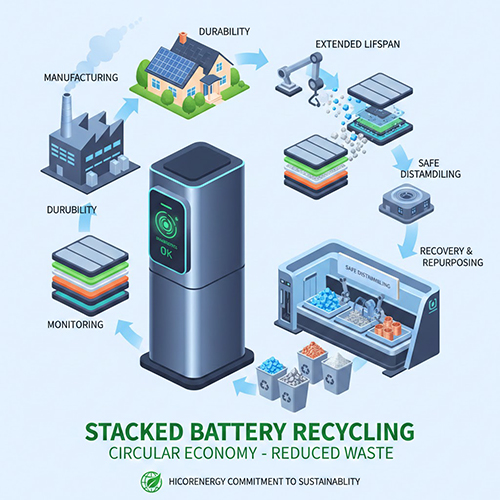
The lifecycle of a stacked battery spans from manufacturing to end-of-use, with an emphasis on durability, monitoring, and environmental responsibility. Effective lifecycle management ensures optimal performance over time and helps extend the battery’s usable lifespan.
The Hicorenergy Home Power Station includes built-in diagnostics that alert users to maintenance needs, helping prevent premature failure and reduce long-term costs. Once the battery reaches end-of-life, stacked battery recycling processes recover valuable materials such as lithium and cobalt for reuse.
Highlights of stacked battery recycling:
-
Safe dismantling of layered components
-
Recovery and repurposing of critical materials
-
Support for a circular economy and reduced waste
Hicorenergy’s commitment to sustainability is reflected in these recycling initiatives, which help minimize environmental impact and promote resource conservation.
Understanding the Full Lifecycle Value of Stacked Battery Technology
The lifecycle of Stacked Battery Technology begins with streamlined installation and extends through years of reliable operation and eventual system expansion. Modular plug-and-play design reduces installation time while ensuring secure electrical connections. During operation, integrated BMS protection continuously monitors voltage, temperature, and current to maintain optimal performance. With over 6,000 cycles and high round-trip efficiency, these systems deliver consistent output and reduced maintenance requirements. When energy demand increases, additional modules can be stacked seamlessly, protecting the original investment. Proper monitoring, temperature management, and adherence to recommended charge/discharge parameters further extend battery lifespan and maximize overall return on investment.
Conclusion
Stacked battery technology is a game-changer in residential energy storage, offering enhanced efficiency, compact design, and extended lifespan. Through products like the Hicorenergy Home Power Station, homeowners can benefit from reliable, solar-integrated power solutions that support both everyday energy needs and sustainable living. As the industry continues to innovate, stacked battery systems will play an increasingly vital role in the global transition to clean, renewable energy.
Join Hicorenergy in embracing solar battery storage and step confidently into a cleaner, greener tomorrow.
Contact us via Email: info@hicorpower.com or WhatsApp: +86 181-0666-3226.