Choosing the right energy storage cabinet requires understanding energy needs, key features, cooling systems, safety certifications, and manufacturer reliability. This guide explains how to size a battery cabinet, compare core technologies, ensure safe operation, and evaluate warranties and integration compatibility before investing in a commercial energy storage cabinet.
 Understanding Your Energy Needs: A Step-by-Step Sizing Guide for Battery Cabinets
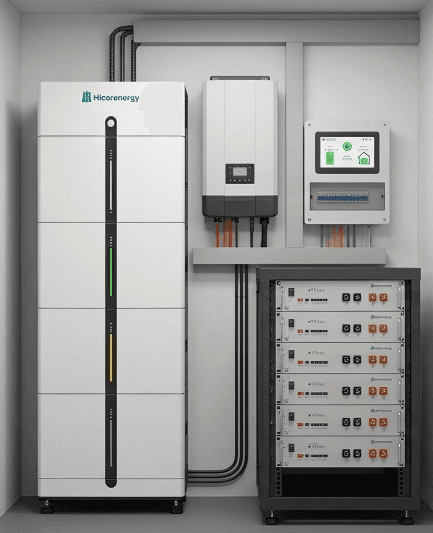
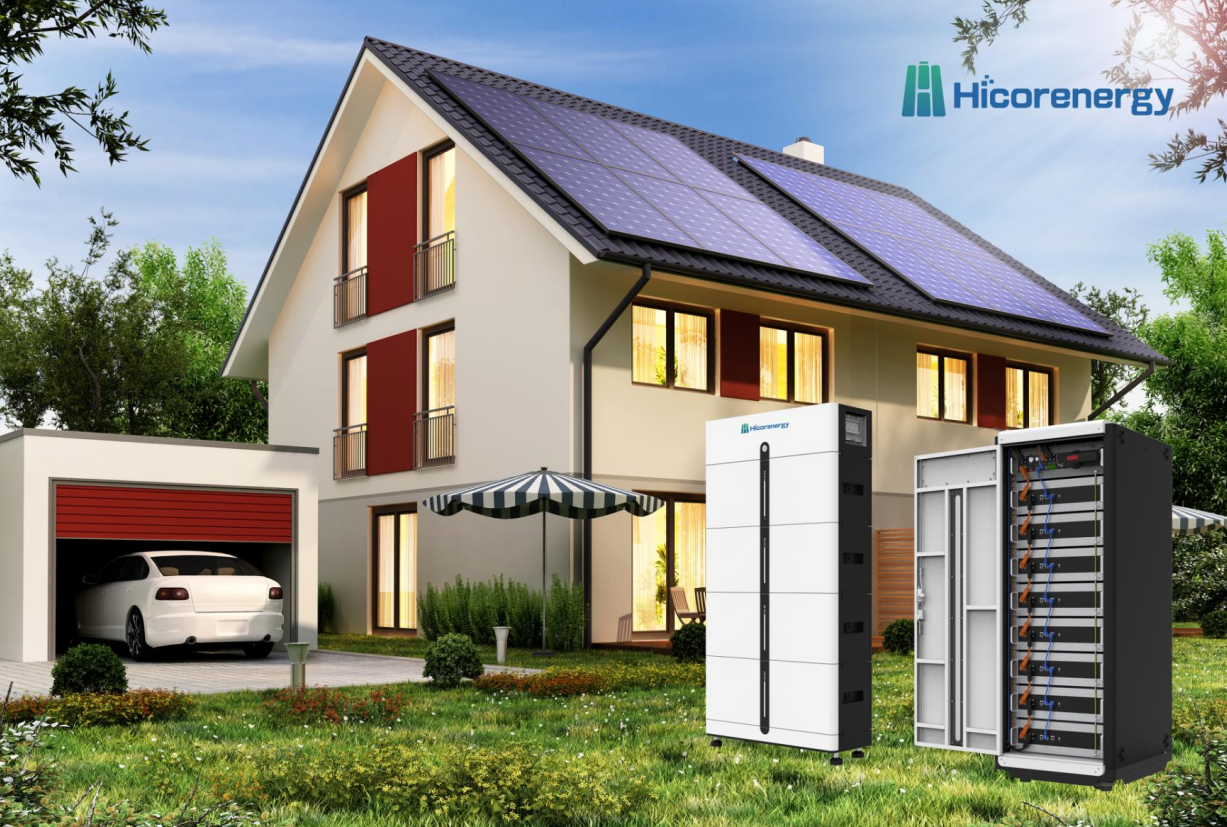
A proper sizing guide for battery systems is essential when selecting an energy storage cabinet. Start by calculating your daily energy consumption, peak demand, and required backup duration. Next, evaluate whether the cabinet will support commercial energy storage use, residential loads, or hybrid solar integration. A high-quality energy storage cabinet should offer modular battery expansion, allowing you to scale capacity as demand grows. Hicorenergy’s SHV48100 and Si Station series provide flexible configuration options, making it easier to match usable capacity with actual consumption needs. Accurate sizing ensures system efficiency, long-term reliability, and cost-effective performance.
Key Features Comparison: Li-ion vs. LFP Battery Technology and Cooling System Essentials
When comparing energy storage cabinet technologies, battery chemistry and cooling system performance are critical. LFP offers superior safety, longer cycle life, and better thermal stability than standard Li-ion. An energy storage cabinet with advanced HVAC or liquid cooling ensures stable operation and prevents overheating. Understanding these differences encourages buyers to continue exploring other essential selection factors.
Ensuring Safe Operation: Critical Safety Certifications for Commercial Energy Storage
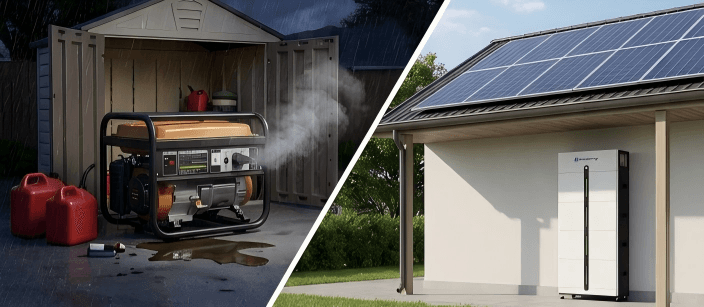
Safe operation is non-negotiable when deploying an energy storage cabinet—especially for commercial energy storage applications. Look for internationally recognized Safety Certifications such as UL9540, UL1973, IEC62619, UN38.3, and CE. These certifications confirm that the energy storage cabinet meets strict fire, electrical, and thermal protection standards. For facilities like telecom sites, factories, and data centers, safety-verified systems reduce operational risk and extend equipment lifespan. Hicorenergy’s cabinet solutions are built using certified LFP battery packs and robust fire-suppression options, ensuring dependable performance in demanding environments.
Choosing a Manufacturer: Warranty, Support, and Integration Compatibility Checklist
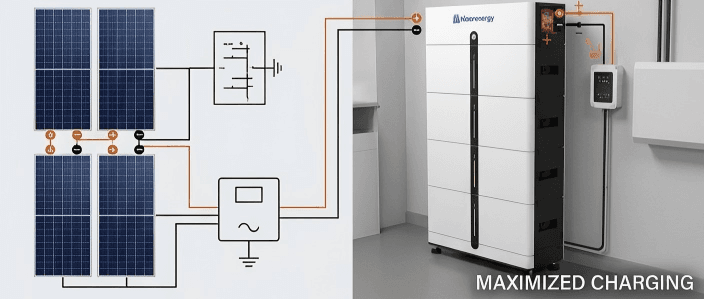
Selecting the right manufacturer goes beyond choosing a battery—it requires full lifecycle support. A reliable energy storage cabinet provider should offer at least a 10-year warranty, responsive technical guidance, and strong integration compatibility with solar inverters, management platforms, and grid systems. Evaluate after-sales services, spare-parts availability, and remote monitoring capabilities. Integration compatibility ensures your energy storage cabinet works smoothly with existing equipment and future expansion. Hicorenergy stands out with advanced EMS platforms, modular cabinet structures, and seamless compatibility with major inverter brands, ensuring long-term operational stability.
Hicorenergy Product Summary
Hicorenergy offers commercial and residential energy storage cabinet solutions using LFP technology, high-efficiency cooling systems, and modular SHV48100 and Si Station designs tailored for safe operation and easy integration.
Contact:
Email: info@hicorpower.com
WhatsApp: +86 181-0666-3226